Project Aarogya Reshapes Rural Healthcare Access In Odisha’s Tribal Heartland
This persistent gap has had visible consequences. Seasonal outbreaks such as malaria recur with regularity, while chronic illnesses remain largely undetected until advanced stages: Reports
BHUBANESWAR: In the hilly and forested belts of Odisha’s Rayagada and Kalahandi districts, healthcare access has historically been constrained by distance, isolation and limited awareness. For communities spread across remote villages, even basic medical consultation can involve hours of travel, often discouraging timely treatment and allowing preventable conditions to worsen.
This persistent gap has had visible consequences. Seasonal outbreaks such as malaria recur with regularity, while chronic illnesses remain largely undetected until advanced stages. For economically vulnerable tribal households, the cost—both financial and social—of delayed care can be significant, reinforcing cycles of poor health and hardship.
It is within this challenging landscape that Vedanta Aluminium’s ‘Project Aarogya’ is making a measurable difference. Designed to bring healthcare closer to communities, the initiative reached nearly 1.26 lakh people across Rayagada and Kalahandi in the financial year 2025–26, focusing on a mix of outreach, prevention and institutional support.
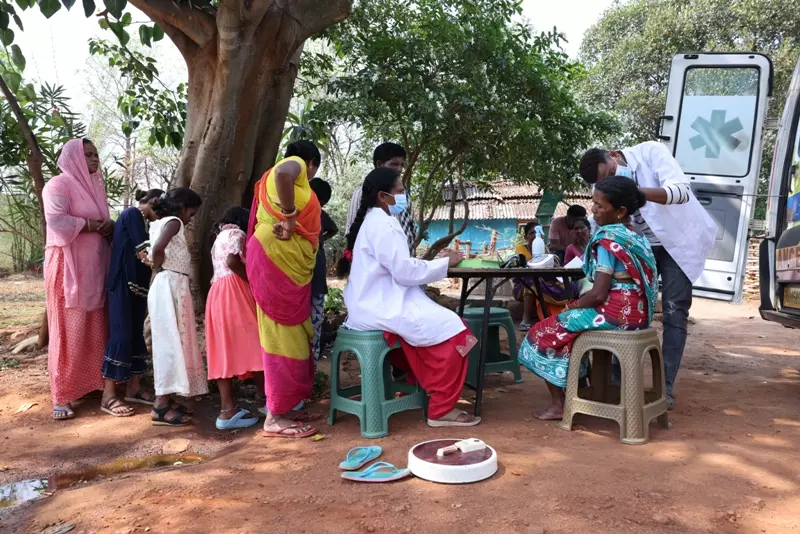
At the forefront of this effort are Mobile Health Units (MHUs) that travel deep into underserved regions, covering more than 100 villages. Equipped to function as mini primary healthcare centres, these units offer consultations, essential diagnostics and medicines at the doorstep. For many villagers, this has transformed healthcare from a distant service into a regular and accessible presence.
Specialised medical needs, often neglected in such regions, are being addressed through periodic health camps. In Kalahandi, a series of multi-specialty camps organised during FY26 served over 5,000 people, providing access to expert consultations in areas such as orthopaedics and eye care—services otherwise unavailable locally.
“Equally critical is the project’s focus on preventive healthcare. Screening initiatives for genetic conditions like sickle cell disease and thalassemia are enabling early diagnosis and informed care. Alongside, sustained awareness drives on malaria and seasonal illnesses are helping communities recognise symptoms early and seek timely intervention,” says Dr Ramachandra Behera, a local development activist of Rayagada.
Women and children remain at the centre of these efforts. Targeted programmes aimed at improving maternal health, nutrition and childcare practices are gradually strengthening health awareness at the household level. Increased participation in antenatal check-ups and better understanding of preventive care signal a positive behavioural shift.
“Beyond outreach, the initiative also strengthens access to institutional healthcare. A supported hospital facility in Kalahandi serves as a critical referral centre, ensuring that patients requiring urgent or advanced care are not left without options. This linkage between village-level services and hospital care completes the continuum of treatment,” observes Pramod Sahukar, a social activist of Kalahandi.
“By combining mobility, awareness and reliable referral systems, Project Aarogya is steadily redefining how healthcare reaches some of Odisha’s most underserved populations—offering not just services, but a pathway to healthier and more secure lives,” adds Sahukar.
