Omar Abdullah Govt Faces Growing Discontent Over Unfulfilled Promises

Gains from 2024 are eroding due to structural limitations and unkept promises, with the Centre's intransigence on statehood at the core
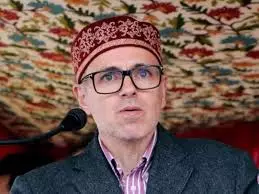
SRINAGAR: The Omar Abdullah government is rapidly losing public support due to its poor performance across multiple fronts. The ruling National Conference (NC) attributes this weakened position to Jammu and Kashmir's continued status as a Union Territory, even nearly a year after the assembly elections.
Kashmir watchers say that Abdullah's gains from 2024 are eroding due to structural limitations and unkept promises, with the Centre's intransigence on statehood at the core.
These elections marked the first such major exercise since 2014. Abdullah and his party, along with their Congress allies, campaigned aggressively in these elections, securing a significant victory with 42 and 6 seats, respectively, in the 90-member assembly. Their campaign heavily emphasized restoring J&K’s autonomy, reinstating rights lost after the 2019 abrogation of Article 370, and bringing back statehood, which was revoked when the region was reorganized as a UT.However, as of today, these promises remain unfulfilled. The UT status persists, with no concrete progress on restoring statehood, despite assurances from the Central government during the 2019 reorganization that it would be restored post-elections.
The restoration of autonomy, including the reinstatement of Article 370 or similar provisions, faces significant legal and political hurdles, as the Supreme Court upheld its abrogation in December 2023. Additionally, promised rights, such as the reinstatement of pre-2019 legislative powers or protections for local land and job rights, have seen little advancement, fuelling public dissatisfaction.
The NC has attributed these delays to the constraints of operating under a UT framework, where the Lieutenant Governor, appointed by the Central government, holds significant executive powers, limiting the elected government's ability to enact its agenda.
Abdullah's government is grappling with challenges, and his declining popularity is evident in social media and public discourse. Analysts share this view, with one Kashmir observer noting, “The National Conference campaigned on restoring statehood, driving development, strengthening democratic institutions, and tackling unemployment and infrastructure issues. Yet, the Union Territory framework limits the Chief Minister’s authority, with the Lieutenant Governor retaining significant control over key decisions like appointments, land, and law enforcement.” He added, “This power imbalance, which Abdullah has called ‘not ideal,’ has caused inefficiencies and perceptions of weak accountability.”
The NC anticipated a parliamentary resolution in the just concluded Monsoon Session, but no progress was made, prompting criticism from allies and party members. Abdullah’s July 29 letter to 42 party presidents emphasized statehood as a “constitutional red line.” On August 22, he expressed frustration over unfulfilled promises made by the Centre in Parliament and the SC in 2023.
Challenges persist, with unfulfilled commitments on jobs creation for unemployed youth, flood mitigation, and economic growth. The recent devastating flash floods and landslides, which claimed nearly 130 lives and caused widespread destruction, highlighted the administration's lack of preparedness. Ongoing militancy and violence, such as the April 22 Pahalgam terror attack, have intensified criticism.
Under the UT framework, law and order are primarily managed by the Central government through the Lt. Governor. He holds significant executive authority over key areas, including police, public order, and security-related matters, as outlined in the J&K Reorganisation Act, 2019. But these incidents have hindered Abdullah’s efforts to seek repeal of AFSPA and address security excesses, further complicated by his limited authority under the UT framework. The SC, while hearing a petition for statehood restoration, also cited the Pahalgam attack as a significant obstacle.
Analysts and NC insiders cite the L-G’s extensive powers under the Act, as a key barrier. On August 25, Abdullah urged the SC for a timeline, with a hearing set for October 10. His father and NC president Farooq Abdullah called statehood a “moral obligation”.
Internal NC pressure grows for protests, but the Chief Minister maintains a cooperative stance with Delhi. Allies like Congress have escalated campaigns for statehood, complicating NC’s position.
Ironically, despite the declining popularity of Abdullah’s government, opposition parties are failing to capitalize on this discontent, as they remain largely discredited in the eyes of the public. The PDP remains weakened due to past BJP ties or perceived ineffectiveness. The BJP, with 29 seats in Jammu, dominates its Hindu-majority base but has no Kashmir Valley presence. It is leveraging NC’s struggles to expand influence: Home Minister Amit Shah’s statehood assurances reiterated during a visit to Jammu in March lacked timelines, while BJP’s recent flood relief meetings in Jammu aimed to build goodwill. In the predominantly Valley, the BJP continues to face resistance due to its association with 2019 changes.
Prolonged statehood delays risk unrest and if no progress is made on this front, Abdullah’s support may further wane, say the analysts. “New Delhi will only be losing its best bet", said one of them. Elaborating, he said that the NC, under Abdullahs, is seen as a relatively stable and Centre-aligned partner compared to other regional players like the PDP or the BJP’s limited influence in the Kashmir Valley. Continued delays in granting statehood, a key promise, could erode Abdullahs’ credibility and public support, potentially destabilizing the region and diminishing the Centre’s leverage through a reliable ally.
