Omar Abdullah Demands Permanent Suspension of the Indus Water Treaty

J&K Must Reclaim Its Rivers: Chief Minister
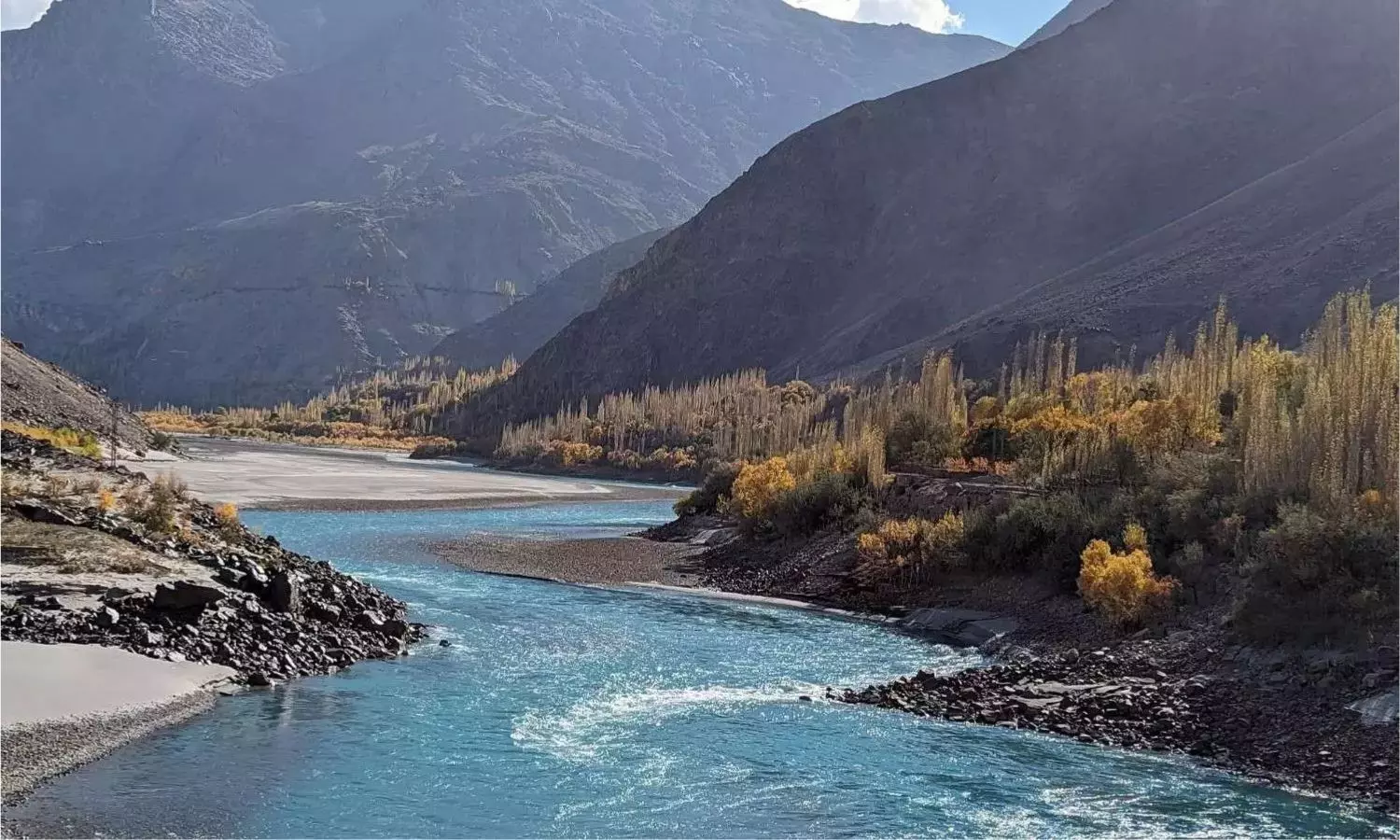
SRINAGAR: Chief Minister Omar Abdullah has intensified his criticism of the Indus Waters Treaty (IWT), arguing that its suspension should not be a temporary diplomatic gesture but a long‑term corrective measure that finally allows Jammu and Kashmir to use its own rivers without externally imposed restrictions.
His remarks come at a moment when India’s decision to suspend the treaty has revived debate over whether the decades‑old agreement still serves the interests of the region or the country.
Signed in 1960 between India and Pakistan with the World Bank as guarantor, the IWT divides the six rivers of the Indus basin between the two countries. Pakistan receives exclusive rights over the western rivers—Indus, Jhelum and Chenab—while India retains control over the eastern rivers—Ravi, Beas and Sutlej— but can use the western ones only for limited, non‑consumptive purposes such as run‑of‑the‑river hydropower and restricted irrigation.
Leaders in J&K have long argued that this arrangement has prevented the region from building major dams, generating adequate hydropower or even drawing drinking water from its own rivers. India’s recent suspension of the treaty, prompted by escalating tensions post Pahalgam terror attack and Pakistan’s repeated objections to Indian hydropower projects, has opened the door for renewed political debate.
Abdullah has seized that opening, insisting that the suspension should not be reversed. While speaking to reporters here on Friday, he said J&K had suffered for decades under the treaty’s constraints, describing the Himalayan region’s rivers as resources that were never fully accessible to the people who live alongside them. He argued that the state could not draw drinking water from the Chenab, could not build the Tulbul navigation project, and could not construct large dams on any of its rivers because of treaty‑imposed limitations.
Pakistan’s claims of sympathy for Kashmiris, he said, “disappear when it comes to water,” adding that the treaty had effectively “sucked our blood” by denying J&K the right to use its own natural resources. For Abdullah, the suspension of the treaty should remain in place permanently so that the region can finally harness its rivers for hydropower, navigation and drinking water.
His comments came alongside a strong condemnation of the recent attack on Shiromani Akali Dal leader Sukhbir Singh Badal. Abdullah questioned how such violence could occur despite Z‑plus security and said that attacks of this nature have no place in a democracy. “If people are angry”, he argued, “elections—not violence—are the legitimate forum for expressing political disagreement”. He recalled earlier similar incidents and said the recurrence of such attacks raises serious questions about the effectiveness of security arrangements.
Abdullah also reiterated that the campaign for the restoration of J&K’s statehood is only at its beginning. He said the protest at Jantar Mantar was not the culmination of the movement but the launch of a sustained political effort. Reports of a possible long march, he said, were a positive sign of growing mobilisation. He questioned why Prime Minister Narendra Modi’s “super promise” of restoring statehood had not yet been fulfilled and vowed to continue raising the issue until the commitment is honoured. According to him, discussions within the National Conference are ongoing and future steps will be taken at an appropriate time.
