Odisha’s Missing Opposition: How BJD’s ‘Shadow Cabinet’ Remains Invisible Sans Actions

The Shadow Cabinet, as observers put it, has produced little visible evidence of coordinated oversight
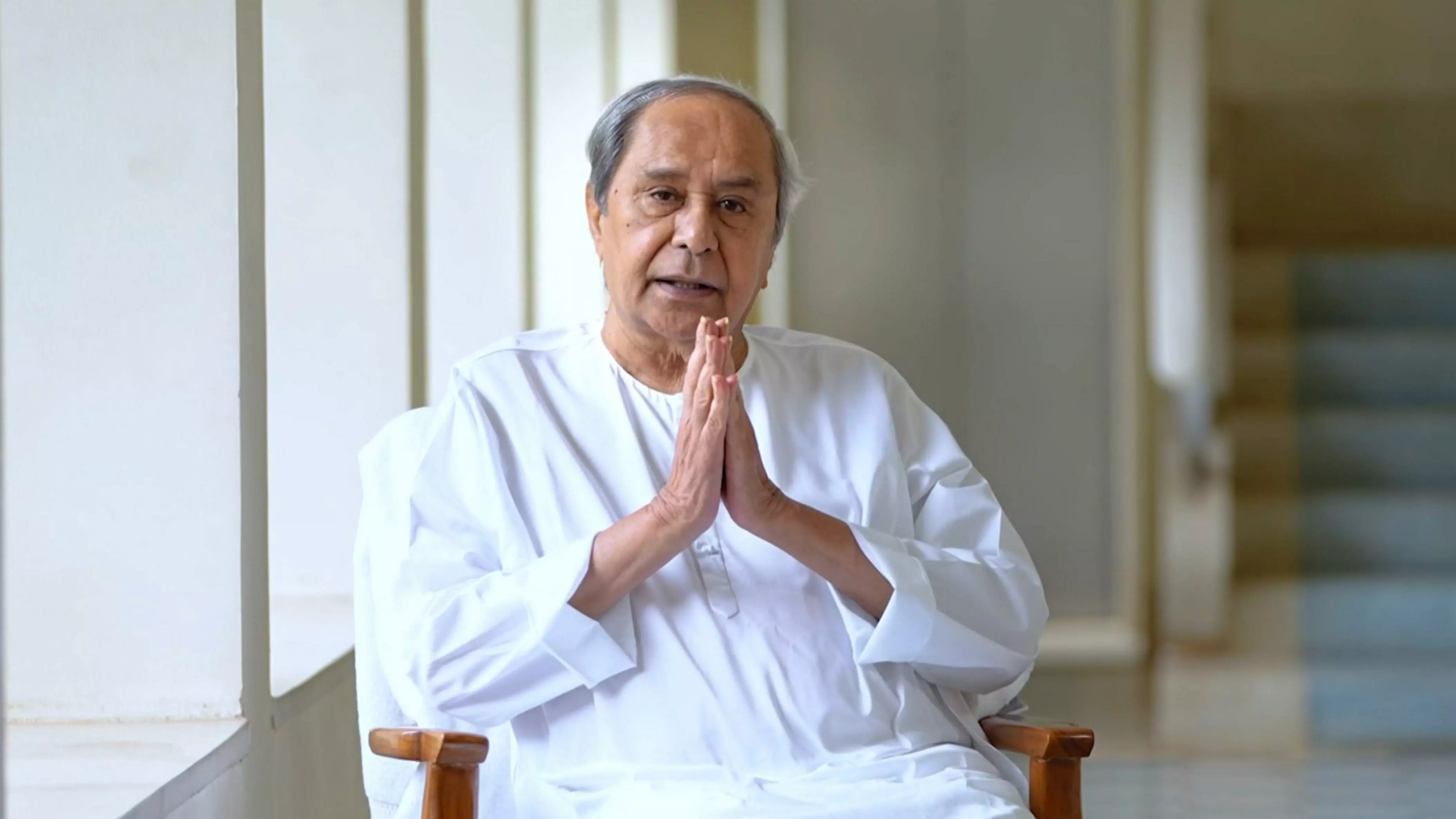
Bhubaneswar: When former Chief Minister and Biju Janata Dal (BJD) president Naveen Patnaik announced a 50-member “Shadow Cabinet” in July 2024, it was billed as a sophisticated reset for a party unaccustomed to sitting in opposition. After losing power for the first time in 24 years, the BJD promised to reinvent itself as a vigilant watchdog over the BJP government led by Mohan Majhi. The message was clear: the BJD would not sulk in defeat; it would professionalise dissent. Eighteen months later, that promise lies largely unfulfilled.
The Shadow Cabinet, as observers put it, has produced little visible evidence of coordinated oversight. No sustained portfolio-wise critiques, no structured policy alternatives, and no consistent legislative pressure traceable to the assigned departments have emerged in the public domain. For an initiative designed to institutionalise accountability, its operational invisibility has become its defining feature. Critics now argue that the exercise was less a governance innovation and more a symbolic gesture aimed at managing post-defeat optics.
“The contrast with the political moment that necessitated the experiment is stark. The 2024 Assembly election reshaped Odisha’s power structure: the BJP secured a decisive mandate, the BJD suffered its first major electoral reversal in decades, and the Congress remained marginal. The verdict effectively narrowed the state’s politics into a bipolar contest, placing extraordinary pressure on the BJD to function as a credible, disciplined opposition. Instead, the party has appeared distracted, reactive, and internally preoccupied,” says Dr Gouranga Charan Rout, a political commentator.
Public spats among senior leaders — many of them entrusted with shadow portfolios — have overshadowed any attempt at issue-based politics. Recurrent debates over organisational control and the lingering influence of V. Karthikeyan Pandian have further diluted the party’s message.
“A shadow cabinet requires cohesion and message discipline; the BJD has projected neither. The result is a paradox: a party that once prided itself on administrative efficiency now struggles to organise its own opposition machinery,” says political observer Ramachandra Behera.
The BJP has been the quiet beneficiary of this drift. A fragmented opposition reduces the cost of governance errors and blunts adversarial scrutiny. While the Majhi government faces the inevitable challenges of transition, it has not encountered a sustained, structured counter-narrative from the BJD. In effect, the absence of a functioning shadow system has granted the ruling party a wider margin of political comfort than Odisha’s competitive landscape would normally allow.
