Odisha to Introduce Male Tigers in Similipal for Natural Breeding

Similipal’s dense forests and favourable ecosystem have enabled two tigresses to settle in well
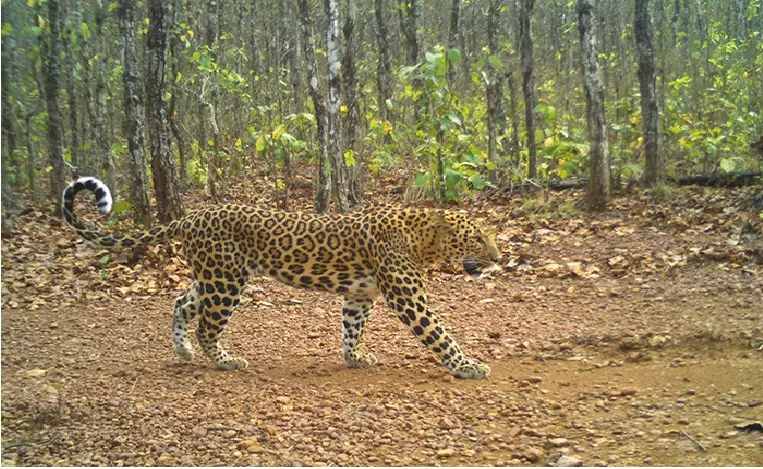
Bhubaneswar: The Similipal Tiger Reserve (STR), currently home to two well-adapted tigresses, is set to welcome male tigers in a renewed push to strengthen in-situ tiger conservation and breeding in Odisha. This strategic move comes in the wake of the failed tiger relocation effort at Satkosia.
According to sources in the state forest department, plans are underway to introduce a male tiger into STR, with a second likely to follow depending on the initial outcome. This marks a shift in Odisha’s conservation strategy, prioritising locations with proven ecological viability over earlier, less successful initiatives.
Similipal’s dense forests and favourable ecosystem have enabled two tigresses—Zeenat from Maharashtra and Yamuna from Madhya Pradesh—to settle in well. “Both tigresses have acclimatised to the reserve’s terrain and climate, showing encouraging signs of stability and adaptation,” said Principal Chief Conservator of Forests (Wildlife), Prem Kumar Jha, on Wednesday, coinciding with International Tiger Day.
Jha added that discussions are underway to source the male tigers from either Maharashtra or Madhya Pradesh. The ultimate objective is to facilitate natural breeding within Similipal, expanding the state’s tiger population through ecological integration rather than translocation.
With Similipal showing promise, the focus has decisively shifted away from Satkosia, which has remained devoid of tigers for five years following the unsuccessful relocation project. The earlier plan, heavily criticised for poor planning and execution, failed to retain even a single tiger. In response, the forest department is now exploring Debrigarh as a potential alternative for future tiger conservation efforts.
Meanwhile, Odisha continues to highlight its unique contribution to tiger genetics through the conservation of melanistic (partially black) tigers at the Nandankanan Zoological Park. Currently, the zoo houses 29 tigers, including 19 normally coloured, six white, and four black tigers. The growing tiger population at Nandankanan may soon expand further, pending approvals from the Central Zoo Authority.
This year’s International Tiger Day, themed ‘Save Tigers’, underscores the urgency of focused conservation efforts. With India accounting for over 70 per cent of the global tiger population, experts stress the need for scientifically informed, sustainable, and habitat-specific strategies to ensure the survival and growth of these majestic big cats.
