Excise Policy: Delhi HC Seeks Stand of Kejriwal, Sisiodia on CBI Plea against Discharge

Among the 21 people given a clean chit in the case is Telangana Jagruthi president K Kavitha
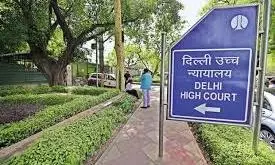
Hyderabad: The Delhi High Court on Monday issued notices to all 23 persons, including Arvind Kejriwal, Manish Sisodia, and Kalvakuntla Kavitha, who have been discharged from the alleged Delhi Liquor scam case following the CBI’s petition challenging the trial court’s order.
Justice Swarana Kanta Sharma also stayed the trial court's adverse observations against the CBI and its investigating officer in the order while discharging the accused. The High Court observed that the strong remarks recorded against the investigating officer appeared, prima facie, to be “foundationally misconceived”, particularly since they were made at the stage of framing of charges.
“The observations limited only qua the Investigating Officer are stayed, till the next date of hearing, including the direction recommending departmental action against him,” the court said in its order.
The High Court also directed the trial court to defer proceedings in the money laundering case being investigated by the Enforcement Directorate (ED) until a date after the next hearing before the High Court. The court noted that the trial court’s remarks could potentially affect the ongoing proceedings under the Prevention of Money Laundering Act.
During the hearing, Solicitor General Tushar Mehta, appearing for the CBI, argued that the trial court’s order effectively amounted to an acquittal without trial and disregarded extensive material collected during the investigation.
Describing the alleged excise policy manipulation as a “national shame”, Mehta submitted that the CBI had examined 164 witnesses and gathered documentary and electronic evidence, including emails and WhatsApp communications, to establish the alleged conspiracy. According to him, the investigation traced bribe payments ranging from `19 crore to `100 crore, with `44.50 crore allegedly transferred through hawala channels to fund election activities in Goa.
He further contended that the trial court erred in assessing the credibility of approver’s statements at the stage of discharge. “Approver statements do not require corroboration at the stage of charge. Their evidentiary value is to be examined during trial,” he argued, adding that conspiracy cases require the court to evaluate the entire chain of circumstances only after evidence is fully tested during trial.
The High Court also observed that certain findings recorded by the trial court regarding witness statements and approver testimony appeared prima facie erroneous when viewed against settled legal principles governing the stage of framing of charges.
Earlier, the trial court had strongly criticised the CBI investigation, stating that the voluminous chargesheet contained significant lacunae and lacked support from witness statements or reliable evidence. It had also faulted the agency for implicating the then Chief Minister without “cogent material” and for describing certain alleged co-conspirators as the “South Group” primarily based on their regional background.
The High Court has now sought responses from the discharged accused on the CBI’s revision plea. The matter is scheduled to be taken up for further hearing on March 16.
