Shashi Tharoor Clarifies J&K Visit Mandate Amid Row Over “Normalcy” Remarks

Speaking to reporters, Tharoor said he had only called on Lieutenant Governor Manoj Sinha and had not had the opportunity to meet other sections of society or listen to wider public opinion
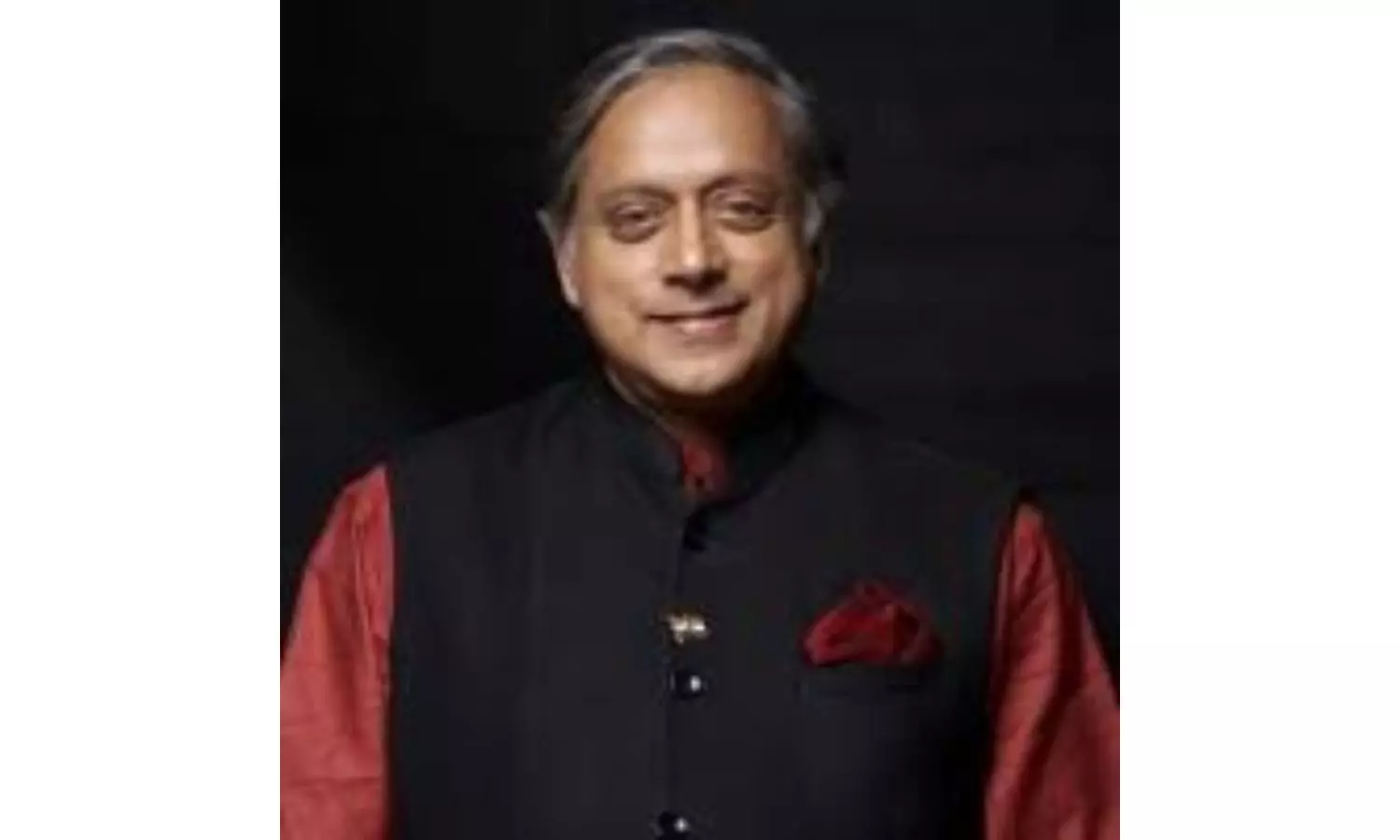
SRINAGAR: Chairman of the Parliamentary Standing Committee on External Affairs Shashi Tharoor on Monday clarified that the panel’s visit to Jammu and Kashmir was confined strictly to matters falling within its official mandate, including India-Pakistan relations, China-India relations and the functioning of passport offices and related services. He ruled out any suggestion that the committee had travelled to the Union Territory to assess the domestic political or security situation in the Kashmir Valley.
Speaking to reporters, Tharoor said he had only called on Lieutenant Governor Manoj Sinha and had not had the opportunity to meet other sections of society or listen to wider public opinion. “I want to make it very clear that this is not a visit about checking the conditions in Kashmir Valley,” he said, stressing that the committee was not examining local or domestic issues.
“The committee is here to study three issues — India-Pakistan relations, China-India relations and the functioning of passport offices and passport services. These are the only three issues we are studying. We are not here to look at domestic issues and it is not our business. We are the External Affairs Committee,” Tharoor added.
The Parliamentary Standing Committee on External Affairs examines matters concerning India’s foreign policy, diplomatic relations and the functioning of the Ministry of External Affairs. Its visit to J&K is part of a review of issues connected with India’s engagement with neighbouring countries and the delivery of passport-related services in the region.
Tharoor later said the committee had held a detailed meeting in Jammu to review the work of the Regional Passport Office and Passport Seva Kendras. According to him, the panel asked “tough and probing questions” of representatives of the passport authorities, police, CID and postal department, particularly over delays in processing applications, police verification and issuance of passports. He said several cases of excessive delay were flagged during the meeting and that officials had assured the committee of improvements.
His clarification came amid a political controversy triggered by his earlier remarks on the situation in J&K. After meeting Lt. Governor Sinha, Tharoor had described the interaction as “excellent” and referred to what he called “encouraging progress towards normalcy” in the Union Territory. He also mentioned the Lt. Governor’s outreach to representatives of the Kashmiri Writers’ Association and a women’s organisation, saying he welcomed such engagement even as challenges remained.
Those comments drew criticism from leaders of the J&K Pradesh Congress Committee, who questioned the basis of Tharoor’s assessment and said he should have met local residents and party workers to understand the ground realities. JKPCC chief spokesperson Ravinder Sharma publicly expressed disappointment, saying people in Kashmir had expected Tharoor to engage with them and hear directly about their concerns.
Sharma also argued that Tharoor could have spared time to meet Congress workers who, he said, have been campaigning for the restoration of statehood since J&K was reorganised and downgraded from a state to a Union Territory in 2019. The criticism reflected the Congress party’s broader position that normalcy in J&K cannot be viewed in isolation from constitutional and democratic questions, including the restoration of full statehood.
The Bharatiya Janata Party (BJP), however, seized upon Tharoor’s observations as an acknowledgment of improvements in the security and governance environment in J&K. The party leaders argued that the decline in incidents such as stone-pelting and local recruitment into militant ranks demonstrated the positive impact of the Centre’s policies after the abrogation of Article 370.
The episode has once again placed Tharoor at the centre of debate within and outside the Congress. His recent public comments on national and foreign policy issues have already drawn scrutiny from sections of his party, and the Kashmir remarks have added to questions over whether his views align with the Congress’s official stand on sensitive political matters.
By emphasising the limited mandate of the Parliamentary Standing Committee’s visit, Tharoor appeared to draw a clear distinction between the panel’s institutional work and any wider political assessment of conditions in J&K. The committee’s programme includes visits to Jammu, Srinagar, Leh and Kargil, with discussions expected to remain focused on external affairs and passport services rather than the twin Union Territories’ internal political situation.
