Growing Political Concern Over ‘Harassment’ of Kashmiri Students and Traders

Para, who represents Pulwama, introduced the resolution against the backdrop of rising reports of targeted attacks on Kashmiri students and traders in several states
SRINAGAR: Reports of attacks and harassment targeting Kashmiri Muslim students and traders in various parts of the country have triggered deep concern among political parties in Jammu and Kashmir.
Leaders across the political spectrum have urged an immediate end to such incidents and demanded firm action against those responsible, warning that the pattern of intimidation is creating fear and alienation among Kashmiris living or studying outside the Union Territory.
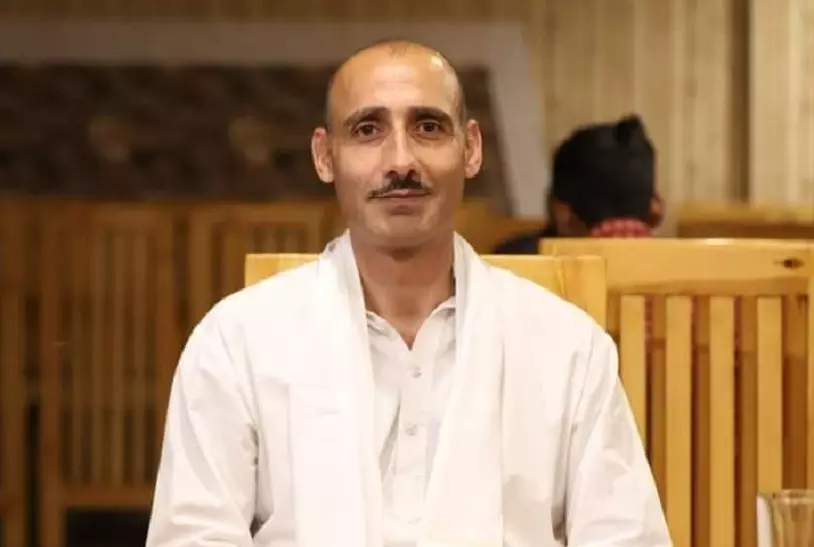
In a significant development, the Speaker of the J&K Assembly admitted a private member’s resolution moved by opposition PDP MLA Waheed-Ur-Rehman Para. The resolution strongly condemns hate crimes against minorities and calls for strict enforcement of the law to prevent and prosecute such offences.
Para, who represents Pulwama, introduced the resolution against the backdrop of rising reports of targeted attacks on Kashmiri students and traders in several states. According to an official communication from the Assembly Secretariat, the resolution has been admitted under Rule 179 of the Rules of Procedure and Conduct of Business in the J&K Legislative Assembly. It urges both the Government of India and state governments to take “immediate and effective measures” to curb hate crimes and ensure accountability.
The recent spate of alleged assaults and intimidation has drawn widespread political attention, prompting calls for stronger safeguards and mechanisms to protect vulnerable groups. Congress MLA Irfan Hafeez Lone joined the chorus of voices expressing alarm, describing the repeated incidents as “deeply unfortunate and disturbing.”
Standing outside the Assembly complex in Jammu with a placard reading “Stop harassment of innocent Kashmiri students,” Lone said it was unacceptable that Kashmiris were facing attacks “almost every day.” He stressed that such incidents must stop immediately. MLA Iftikhar Ahmad from Rajouri, who accompanied Lone, also voiced concern about the safety of Kashmiri students and workers across the country. Both legislators urged authorities to ensure protection for innocent students and to take strict action against those involved in acts of violence or intimidation.
Earlier in the day, Peoples Conference president Sajad Gani Lone raised a separate but related issue during discussions on the Grants of Departments headed by Chief Minister Omar Abdullah. Lone criticised the police verification process, describing it as a “sword hanging over the necks” of Kashmiri youth and characterising it as a form of “collective punishment.” He argued that if one individual in a family had erred, hundreds of young people from the same family were being denied verification, effectively blocking their access to jobs, passports, and other essential opportunities. Lone urged the Chief Minister to convey to New Delhi the suffering caused by this system, emphasising that the youth of Kashmir should not be made to bear the burden of actions they had no part in. Addressing BJP legislators, he appealed for their intervention, questioning why children should be punished for actions committed even before they were born.
Lone also criticised the broader environment in which administrative actions are being carried out, particularly after the abrogation of Article 370 and the conversion of J&K into a Union Territory. He described the current atmosphere as “toxic,” warning that decisions taken today could have long-term consequences for the people of the region. He expressed concern over ongoing demolitions and the issuance of eviction notices, calling it a “dangerous trend” that could lead to widespread dispossession.
According to Lone, ownership rights are being made ambiguous, and individuals who purchased shops at market rates are now being labelled as encroachers. He accused the government of prioritising leaseholders over ordinary people who had invested their life savings into their properties.
