Army, Other Security Forces Intensify Counter‑Terror Offensive Across Jammu Region

Operation Thrashi is designed not only to track and eliminate active militants but also to systematically break the ecosystem that sustains militancy, officials said
SRINAGAR: Security forces in Jammu and Kashmir have significantly escalated Operation Thrashi, a coordinated counter‑terrorism initiative aimed at dismantling militant networks, overground worker (OGW) structures, and support modules—both physical and digital—across the Jammu region, with a particular focus on the eastern Chenab valley.
The Indian Army, in close coordination with the J&K Police, has expanded the scope of the operation to target entrenched militant hideouts in Doda, Ramban, Udhampur, and Kathua districts. This renewed push follows directives from Union Home Minister Amit Shah, who had, during his recent Jammu visit, emphasised the need to neutralise an estimated 30–35 active Pakistani militants, primarily affiliated with Jaish‑e‑Muhammad (JeM), believed to be operating from forested high‑altitude zones.
Operation Thrashi is designed not only to track and eliminate active militants but also to systematically break the ecosystem that sustains militancy, officials said. “This includes identifying OGWs, intercepting logistical supply chains, and cracking down on digital platforms used for recruitment, communication, and propaganda,” they added. Security agencies have intensified surveillance, deployed advanced monitoring tools, and increased ground presence in remote belts where militants have historically exploited difficult terrain for concealment.
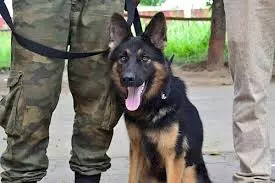
Running parallel to this effort is Operation Trashi‑I, launched earlier on January 18 in the dense forest belts of Kishtwar—particularly Chatroo, Singpora, and the Janseer‑Kandiwa axis. This operation brought together the Army’s 16 Corps- also known as White Knight Corps- Para Special Forces, J&K Police, and the CRPF. Despite heavy snowfall and challenging terrain, forces employed drones, UAVs, sniffer dogs, and thermal‑imaging devices to track movement and locate hideouts. The operation resulted in the killing of at least one Pakistani JeM militant and the recovery of arms, ammunition, and logistical supplies from multiple encounter sites. However, the offensive also came at a cost-eight soldiers were injured, and Havildar Gajendra Singh of the Para Special Forces succumbed to his injuries, underscoring the intensity of the engagements.
As Operation Thrashi progresses, political leaders have begun acknowledging its impact. Leader of the Opposition Sunil Sharma on Thursday described the operation as a “significant breakthrough,” expressing confidence that the intensified campaign would soon yield further successes against militants operating in pockets of the Jammu region.
Speaking to reporters in Jammu, Sharma noted that security forces had for long been engaged in sporadic encounters without major operational gains, but the recent developments had “opened a new gate” in counter‑terror efforts. He asserted that militants hiding in areas such as Doda, Ramban, Udhampur, Machhedi, and Kathua would now be “answered in their own language,” as forces continue to tighten their grip on the region.
Sharma also voiced concern over the persistence of local support networks, emphasising that action against OGWs and “sophisticated modules” aiding terrorism—including those operating through digital channels—has been intensified. He stated that the Union Government and the Home Ministry have adopted a zero‑tolerance approach, warning that even minimal involvement in terror‑linked activities would invite strict legal consequences.
In this context, he welcomed the recent order issued by the Deputy Commissioner regulating donation collection during Ramadan. According to Sharma, the directive was based on credible intelligence inputs suggesting the potential misuse of charitable funds, including Zakat, for unlawful or anti‑national activities. Calling the move “commendable,” he stressed the need for safeguards to ensure that religious donations are not diverted for subversive purposes.
Reiterating his party’s developmental commitments, Sharma also affirmed continued efforts to establish a National Law University in Jammu, stating that the initiative remains a priority and will be pursued until realised.
Meanwhile, in a separate development linked to the broader security environment, forces arrested a man in the Nowshera sector of frontier Rajouri district late Wednesday night and recovered arms and ammunition from his possession. Officials reported that a joint patrolling team of the police and the Army’s 54 Rashtriya Rifles apprehended the suspect—identified as Sachin Kumar, son of Seejay Kumar of Sair, Nowshera—from the Raipur area.
The search led to the recovery of two foreign‑made pistols -reportedly of Turkish or Chinese origin-, four magazines, and 15 live rounds. A case under relevant sections of the Arms Act and the Bharatiya Nyaya Sanhita (BNS) has been registered at Nowshera police station, and further investigation is underway, officials said.
