Will The Odisha Government Be Able To Stop Production And Sale Of Bidi, Gundi And Gudakhu?

As Odisha tightens the noose around packaged tobacco and nicotine, the unchecked spread of traditional, locally made alternatives raises an uncomfortable question: is the state fighting tobacco—or merely changing its form?
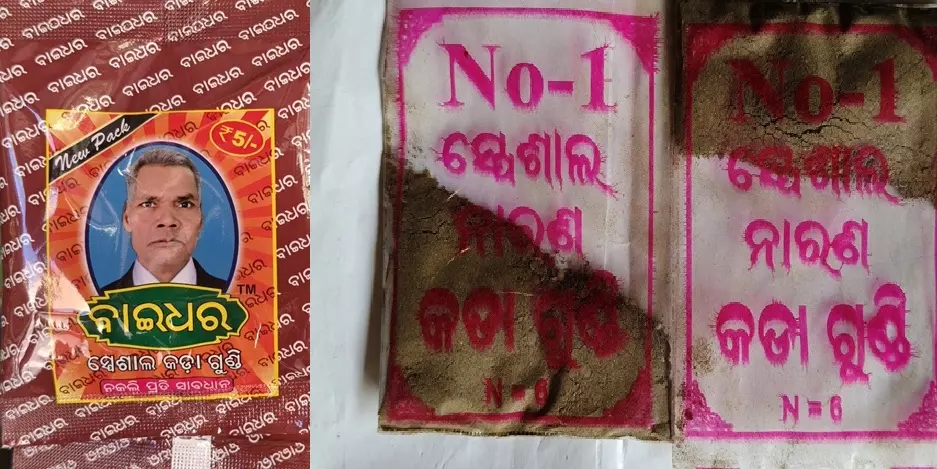
Bhubaneswar: Odisha’s recent ban on production and sale of pan masala, gutkha, khaini and all other food containing tobacco and nicotine may appear decisive on paper, but on the ground, it leaves a gaping loophole—one that allows equally lethal tobacco products such as bidi, gundi and gudakhu to flourish unchecked, especially in rural pockets of the state.
The unchecked production and sale of gundi—a locally made tobacco mix using coriander seeds—bidi (tobacco wrapped in kendu leaf) and gudakhu, a paste prepared from jaggery and tobacco leaf, continue unabated, undermining the government’s stated objective of curbing cancer and other tobacco-related diseases.
Ironically, the ban has made the informal tobacco trade even more lucrative. Producers and traders say the business yields extraordinary profits, often six times the cost of production, drawing in moneyed players who allegedly enjoy political patronage in return for election funding.
According to gundi producers, an investment of just Rs 100 can fetch returns of up to Rs 600. Most producers operate without registration, making it easier to evade scrutiny by health and enforcement authorities. Production units remain unlisted, and ingredients are rarely disclosed, violating basic public health norms.
“Low-grade tobacco leaves contain high levels of nicotine. Consumption of gundi and gudakhu made from such tobacco leads to severe addiction and serious health complications,” said Rajakishore Das of Bari in Jajpur district.
Medical experts warn that the health impact of these products is no less severe than that of banned items. Dr Ashok Acharya, Director of Hi-Tech Medical College and Hospital, Bhubaneswar, said nicotine—present in all tobacco products—is a highly addictive alkaloid that alters brain chemistry.
“While nicotine sustains addiction, thousands of other chemicals in tobacco cause cancer, heart disease and chronic lung disorders,” he said.
Unregulated tobacco production has reportedly spread across several pockets of Jajpur district, including Haripur, Jajpur Sadar, Sujanpur, Baruhan, Nischanta, Narasinghpur, Brahmabarada, Panikoili and Madhuban. Tonnes of such toxic products are sold in local markets and transported to other districts. Similar operations are active in Ganjam and Malkangiri.
Traders typically distribute these products through weekly rural markets (haats) and roadside betel shops. To avoid detection, shopkeepers often keep stocks hidden and sell only to familiar customers.
