Textiles Exports To US Will Become Competitive With Right Intervention

India is a leading exporter of home textiles, including towels and bedsheets, to the US and half of our exports valued $3 billion go to the US. This category now faces a 34 per cent duty. This gives a clear advantage to competitors like Pakistan and Vietnam
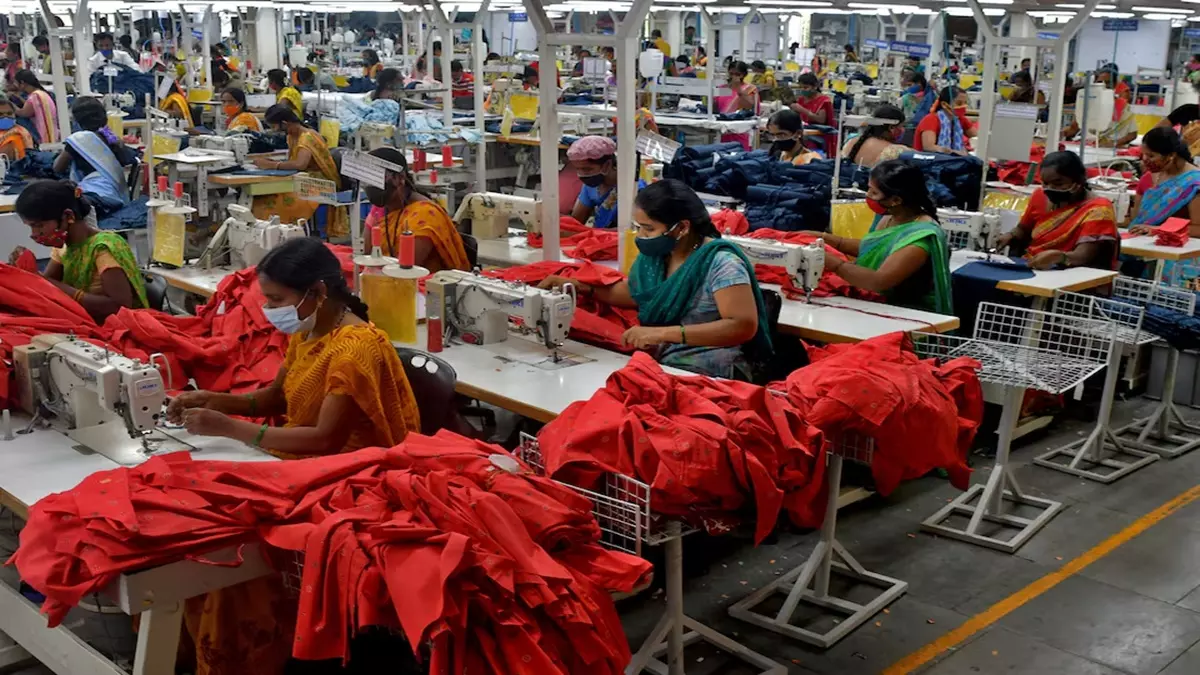
Chennai: Textile exports to the US will face 34 per cent to 39 per cent tariffs. Industry finds that waiving import duty on cotton from the US and implementing interest equalization scheme will make Indian textiles competitive against its peers.
India’s garment exports are among the worst hit. Knitted and woven garments—each worth $2.7 billion—now face steep US tariffs of 38.9 per cent and 35.3 per cent, much higher than the rates for Vietnam, Bangladesh, and Cambodia.
India is a leading exporter of home textiles, including towels and bedsheets, to the US and half of our exports valued $3 billion go to the US. This category now faces a 34 per cent duty. This gives a clear advantage to competitors like Pakistan and Vietnam.
According to Chandrima Chatterjee, secretary general of CITI, India’s cotton imports have gone up over 100 per cent in the last one year. “If we waive the 11 per cent import duty on US cotton, it will make the raw material cheaper for the downstream industries,” she said. India has been buying long and extra-long staple cotton from the US and now medium-long staple also can be imported.
“Further, if we increase US content in the exported product to 20 per cent, tariff will be applicable for only the non-US content and this will significantly bring down the total tariff on the product,” said Sanjay K Jain, Chair of ICC National Textiles Committee.
The government should also increase the availability of imported viscose and polyester by lowering the duties and easing Quality Control Order norms. This will also make the blended textiles cheaper.
Further, GTRI wants the government to revive the Interest Equalisation Scheme discontinued last year. Relaunching the scheme with a Rs 15,000 crore annual budget and a five-year commitment to provide subsidised credit for exporters, especially MSMEs will lower borrowing costs, improve competitiveness, and provide immediate relief, said Ajay Srivastava, founder, GTRI. This will support not just textile exporters but across sectors.
“The government can also provide working capital credit and interest subvention targeted to those who export to the US. These measures will bring down the prices of our exports by more 5 to 6 per cent and level-up the tariff differential with our competitors like Bangladesh, Vietnam, Philippines and Indonesia,” said Chatterjee.
