India Urges De-escalation After Sailor Killed in Ship Attack

India condemned the attack on the Indian-flagged commercial vessel MSV AL JUSUFI near Limah, Oman, on Monday evening
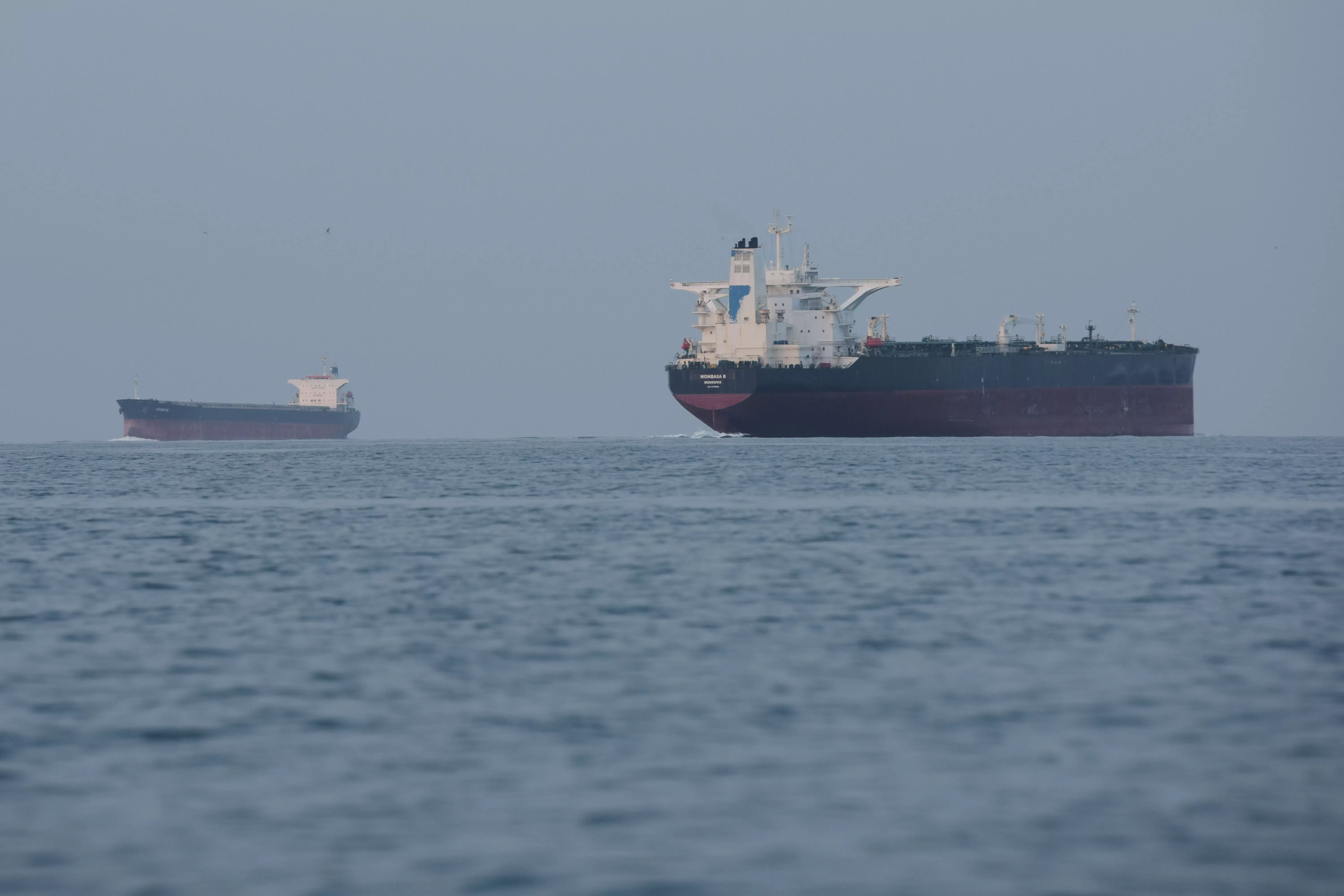
New Delhi: India on Tuesday called for an immediate de-escalation of tensions and the conclusion of ongoing negotiations towards a diplomatic solution in West Asia after an Indian seafarer was killed in an attack on a commercial vessel off the coast of Oman.
In a statement issued by the Ministry of External Affairs (MEA), India condemned the attack on the Indian-flagged commercial vessel MSV AL JUSUFI near Limah, Oman, on Monday evening. The incident left one Indian national dead, while 13 others were rescued.
The MEA said the Indian Embassy in Oman was closely monitoring the situation and coordinating with Omani authorities to facilitate the early repatriation of the rescued Indian nationals and the mortal remains of the deceased.
"We condemn the attack on a commercial vessel MSV AL JUSUFI, near Limah, Oman yesterday evening. Of the 14 Indian nationals on board, 13 have been rescued while one Indian national tragically lost his life after sustaining injuries. We convey our deepest condolences on the precious life lost. Our Embassy in Oman is closely monitoring the situation and coordinating with the Omani authorities for the early repatriation of the rescued Indian nationals and the mortal remains of the deceased," the statement read.
Expressing concern over repeated attacks on commercial shipping in the region, the MEA reiterated India's call for an immediate reduction in tensions and a diplomatic resolution.
"The continuing incidents of attacks on commercial shipping in the region are deeply concerning. We reiterate our call for immediate de-escalation of tensions, and the conclusion of ongoing negotiations for a diplomatic solution so that peace and stability can return to the region," the statement said.
The Ministry further stressed that commercial shipping and civilian infrastructure must not be targeted. It also called for the restoration of freedom of navigation and commerce through international waterways.
"The targeting of commercial shipping and civilian infrastructure in the region must end, and free and unimpeded navigation and commerce through the international waterways in the region, in keeping with international law, must be restored at the earliest," it added.
The statement came after Union Minister for Ports, Shipping and Waterways Sarbananda Sonowal confirmed the death of an Indian seafarer following the attack on the vessel carrying 14 Indian crew members near the Omani coast.
In a post on X, Sonowal said the vessel was struck by an unidentified aerial object on November 2 while navigating near the coast of Oman. Thirteen crew members were safely evacuated and rescued by the Omani Coast Guard.
The deceased seafarer was identified as Gandhar Nahim Ajij, a native of Gujarat.
"On Nov 2, the Indian MSV AL JUSUFI, carrying 14 Indian seafarers, was struck by an unidentified aerial object while navigating near the coast of Oman. While 13 crew members safely evacuated and were rescued by the Omani Coast Guard, I am deeply saddened to report that one of our seafarers, Gandhar Nahim Ajij from Gujarat, tragically succumbed to his injuries," Sonowal said.
He also expressed condolences to the bereaved family and said the Ministry and the Indian Embassy in Oman were coordinating with local authorities to provide immediate assistance to the survivors and facilitate the repatriation of the crew and the mortal remains of the deceased.
The incident comes amid repeated reports of attacks involving commercial vessels and seafarers in the Persian Gulf and the wider West Asian region amid the ongoing conflict.
Earlier, External Affairs Minister S Jaishankar raised concerns over repeated attacks on civilian shipping and seafarers during the G20 Foreign Ministers' Meeting, highlighting the importance of protecting freedom of navigation.
In a message shared on X, Jaishankar said countries in the Global South were disproportionately bearing the consequences of hostilities in the Middle East, with attacks on civilian shipping threatening the availability and cost of essential commodities.
"The Global South is disproportionately bearing the consequences of attacks on civilian shipping and seafarers, jeopardising the availability and cost of fuel, food and fertilisers," Jaishankar stated.