World Pakhal Divas: A Celebration of Odisha’s Timeless Culinary Wisdom

For every Odia, Pakhal is far more than a meal—it is an emotion, a cultural identity, and a time-tested answer to the region’s scorching heat.
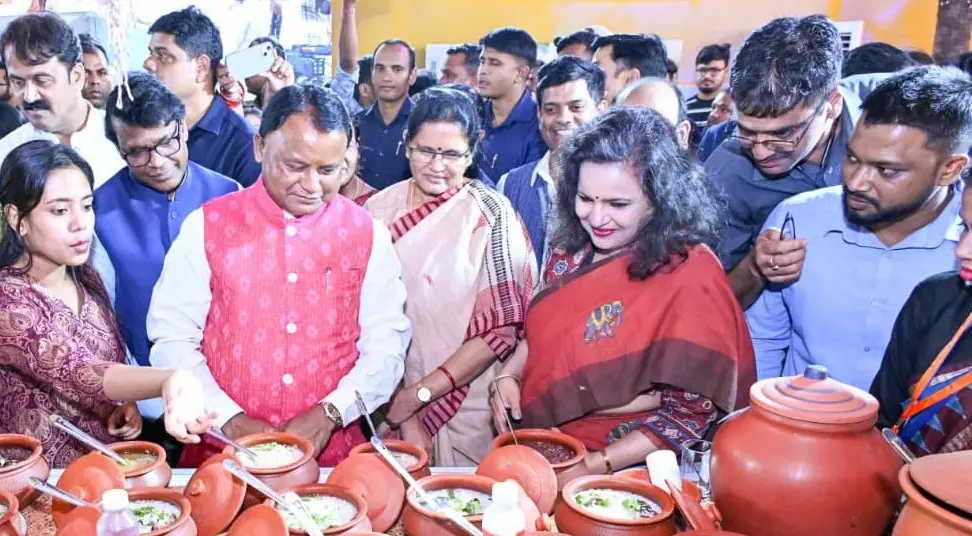
Bhubaneswar: As summer tightens its grip across Odisha, kitchens from villages to urban homes turn to a humble yet iconic dish—Pakhal. On the occasion of World Pakhal Divas, observed annually on March 20, the state celebrates not just a food item, but a way of life deeply rooted in tradition, climate wisdom, and community bonding.
For every Odia, Pakhal is far more than a meal—it is an emotion, a cultural identity, and a time-tested answer to the region’s scorching heat. Prepared by fermenting cooked rice in water and typically served cold, Pakhal has sustained generations of farmers and labourers working under an unforgiving sun, offering both hydration and nourishment.
The dish is usually accompanied by an array of sides—crispy fried fish, badi (sun-dried lentil dumplings), cucumber, bharta (roasted vegetable mash), bhaja (fried vegetables like brinjal and drumstick), leafy greens, and curd—creating a balanced and flavourful platter that reflects Odisha’s culinary diversity.
Health experts underline that Pakhal’s significance goes well beyond taste. According to Dr Ashok Acharya, physician and director of Hi-Tech Medical College & Hospital, Bhubaneswar, — the dish is rich in beneficial bacteria due to its natural fermentation process. “Pakhal contains both pre-biotic and pro-biotic elements that aid digestion, boost immunity, and help regulate metabolic disorders such as diabetes, hypertension, and obesity,” he said.
He further noted that Pakhal prepared a day in advance is nutritionally superior, as overnight fermentation enhances its probiotic content. “It also plays a role in preventing chronic ailments, and its widespread consumption in tribal regions is linked to comparatively lower instances of liver and kidney diseases,” he added.
Nutritionist Malkeen Behera echoed similar views, highlighting Pakhal’s role as a natural coolant. “It is ideally suited for Odisha’s climate, providing hydration and essential nutrients during peak summer,” she said.
The cultural significance of Pakhal has grown steadily since 2011, when March 20 was first observed as Pakhal Divas to promote the dish globally. Today, the celebration transcends geographical boundaries, with Odias across the world sharing Pakhal meals and social media tributes.
This year, the state-level celebration—Pakhal Parav 2026—is being organised with much fanfare. Chief Minister Mohan Charan Majhi, Deputy Chief Minister Pravati Parida, along with several ministers, are scheduled to participate in a grand community feast at Pangtha Nivas in Bhubaneswar. Nearly 800–850 kilograms of rice has been prepared as Pakhal for the event, which is also aiming for a Guinness World Record for the largest gathering centred around the traditional dish.
From roadside eateries and dhabas, where a wholesome Pakhal meal is available for as little as Rs 70–150, to premium star hotels serving curated versions priced up to Rs 1,500, the dish has successfully bridged the gap between rustic simplicity and urban sophistication.
As Odisha celebrates World Pakhal Divas, the spotlight is firmly on a dish that embodies sustainability, nutrition, and cultural pride. In an age of fast food and changing lifestyles, Pakhal stands resilient—cooling bodies, nourishing communities, and preserving a legacy that continues to define the spirit of Odisha.
