West Asia Conflict: Government Directs OMCs To Expand LPG Storage to 30 Days

As the Iran war disrupted global energy supplies, including those to India, India's 40 per cent of crude imports, 65 percent of natural gas and 90 per cent LPG supplies, that came from countries in the Gulf region, was disrupted due to the three-month long conflict.
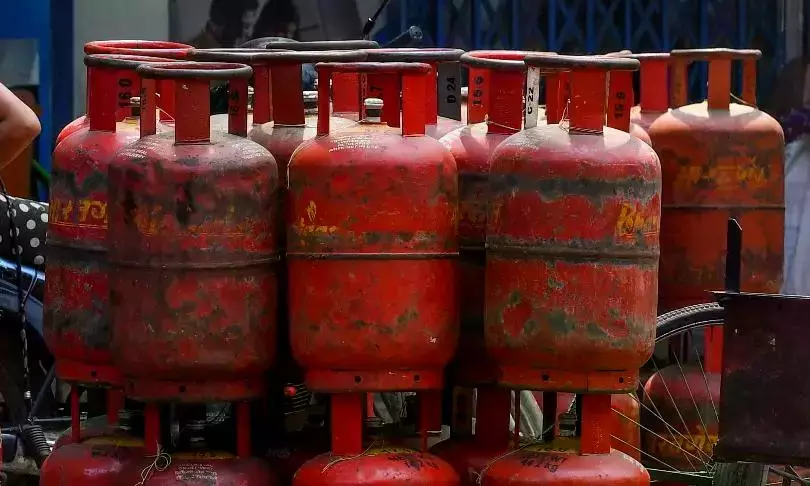
New Delhi: Amid the West Asia situation, the Centre on Friday asked state-run fuel retailers to expand liquefied petroleum gas (LPG) storage capacity to cover at least 30 days of demand. The government, however, wants there is a need for larger reserves to cope with the situation.
Briefing the media, Sujata Sharma, joint secretary in the petroleum ministry, said that as supply disruptions are linked to the West Asia conflict, the government is working on the strategic reserves. “Oil marketing companies (OMCs) have been asked to work out (a plan) to have LPG reserves for a minimum of 30 days with them, and they are working on it,” Sharma said during an inter-ministerial briefing.
The government has asked state-run OMCs such as Indian Oil Corp (IOC), Bharat Petroleum Corp Ltd (BPCL) and Hindustan Petroleum Corp Ltd (HPCL) to prepare plans for the additional storage over and above regular commercial inventories.
As the Iran war disrupted global energy supplies, including those to India, India's 40 per cent of crude imports, 65 percent of natural gas and 90 per cent LPG supplies, that came from countries in the Gulf region, was disrupted due to the three-month long conflict.
While it has been able to source crude oil (raw material for making petrol and diesel) and natural gas that used to generate electricity, make fertiliser and turned into CNG to run automobiles as well as piped to household kitchens for cooking, the disruption in LPG supplies to be regulating supplies to commercial users. “India was also working to increase crude oil storage capacity,” she said without giving the details.
On petrol and diesel price hike, she said that higher retail fuel sales were being driven partly by agricultural demand and by a shift in purchases from bulk buyers and private fuel retailers to state-run outlets due to the price difference. “More than 150 districts have recorded over 30 per cent growth in petrol sales, with 14 districts seeing sales double,” Sharma said.
