Water, Fodder Crisis Looms As Drought-Like Conditions Hit 255 Talukas

Drought-like conditions are affecting 255 of Maharashtra’s 358 talukas, with crop losses and concerns over drinking water and fodder shortages.
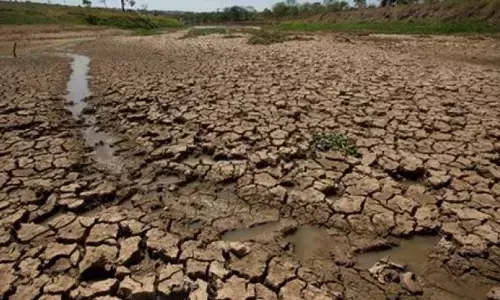
As many as 255 of Maharashtra’s 358 talukas are facing drought-like conditions, affecting nearly 70 per cent of the State, according to data compiled by the State government. The affected talukas are reporting major crop losses, while a senior official warned that the situation could worsen in the coming months, with drinking water shortages and fodder scarcity likely to intensify.
The government is prioritising drinking water and may impose restrictions on the use of water for agriculture after reviewing reservoir levels. Officials said the rainfall-deficiency criteria are currently applicable to all 255 talukas and that relief measures will begin after a formal notification. The State is also expected to submit its proposal for central assistance within seven days of the drought notification.
In Dharashiv district of the Marathwada region, eight talukas are facing drought-like conditions, officials said. The district has received 310.7 mm of rainfall, or 51.51 per cent of its average rainfall, resulting in severe crop damage. Soybean, urad (black gram) and tur (pigeon pea), among the major crops grown in Dharashiv, have been badly affected.
“As per the Dharashiv district collector’s report, 80 to 85 per cent of the Kharif-season crops are expected to be affected. Some farmers are using soybean crops as fodder for their cattle,” said an official familiar with the report.
Maharashtra Chief Minister Devendra Fadnavis and Transport Minister and Guardian Minister of Dharashiv district Pratap Sarnaik toured Dharashiv on Wednesday and met farmers during their visit.
Speaking to reporters in Navi Mumbai on Friday, Mr. Fadnavis said the government was taking measures to address the problems faced by people in drought-affected areas, particularly shortages of drinking water and fodder. A government resolution (GR) outlining the measures is expected to be issued by Saturday.
Speaking to this newspaper, Mr. Sarnaik said the situation in Dharashiv district was particularly severe and warned that the water crisis in the Marathwada region was likely to intensify with each passing day. “We will have to make plans to ensure drinking water and fodder for cattle,” he said.
The weather department had earlier warned that Maharashtra could face a significant rainfall deficit in Marathwada, northern Khandesh and parts of Vidarbha due to the impact of El Niño. However, rainfall in July had led to expectations that the impact would not be felt significantly.
At present, there are no restrictions on the use of water for irrigation, although drinking water supplies have been curtailed in several places. Officials said drinking water would be given priority and that a decision on imposing restrictions on agricultural water use would be taken after reviewing available water storage.
The State’s available water reserves are expected to last for around 10 months. The government is still hoping for rainfall during the retreating monsoon, which could help replenish water reserves. However, officials said the situation would be closely monitored and restrictions on agricultural water use could be imposed if necessary, while ensuring priority for drinking water.
