US House Clears Russia Bill, 100% Tariff Threat Looms Over India

US Bill allows Trump to impose tariffs of up to 100% on Russian oil buyers
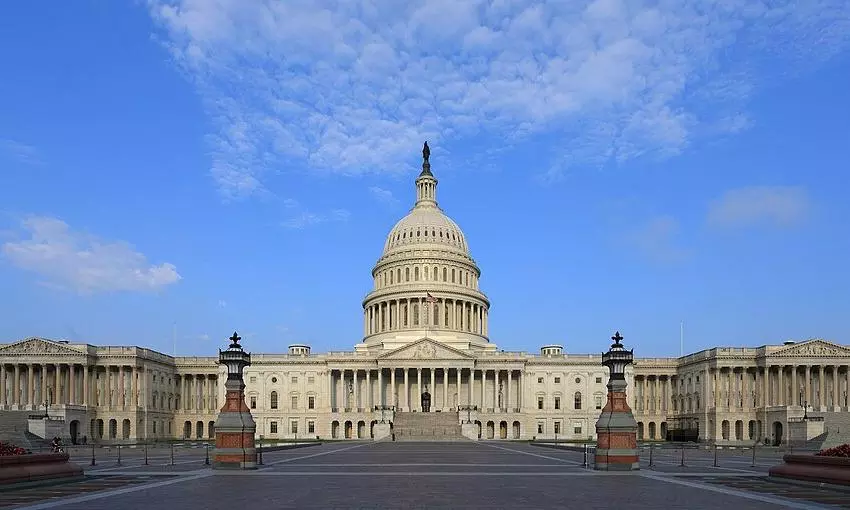
New Delhi: The US House of Representatives has passed a sweeping sanctions Bill targeting Russia that empowers President Donald Trump to impose tariffs of up to 100 per cent on major buyers of Russian oil and gas, including India and China.
The Lindsey O. Graham Sanctioning Russia and Iran Act of 2026 was passed by 262 votes to 159 and will now go to Trump for his signature. The legislation had earlier cleared the Senate by an 86-11 vote.
The Bill seeks to intensify economic pressure on Moscow over the Ukraine war by targeting Russian officials, financial institutions and the energy sector. It also seeks to curb the so-called “shadow fleet” of tankers accused of helping Russia circumvent existing sanctions and provides for additional sanctions against Iran.
Significantly for India, the legislation authorises Trump to impose tariffs of up to 100 per cent on major purchasers of Russian oil and gas. The passage of the Bill does not, however, automatically impose such tariffs, with their implementation resting with the US President.
Reacting to the development, India on Thursday warned that such measures could have implications for India-US relations and disrupt international energy markets, while asserting that it would protect its trade, economic and energy-security interests.
“The Government of India has noted the passage of the Sanctioning Russia and Iran Act in the US Congress. We are monitoring further developments on this matter,” the government said.
New Delhi said the issue had been discussed at high levels with various US interlocutors in recent months. “Its potential implications for not just the bilateral relationship but also the international energy market have been very clearly articulated by the Indian side,” it said.
India asserted that it remained “firmly committed to ensuring energy security” for its 1.4 billion people through diversified sourcing based on evolving market dynamics.
“The Indian side has also made clear its determination to take all necessary measures to protect its trade and economic interests,” the government said, adding that it would work closely with Indian trade and industry bodies to deal with the implications.
External affairs minister S. Jaishankar had earlier this month defended India's purchases of Russian oil, saying in Kyiv that the Russia-Ukraine conflict would not be resolved by whether countries bought oil, metals or fertilisers, but through dialogue, diplomacy and negotiations.
The potential impact on India will depend on whether Trump exercises the tariff powers provided by the legislation and how they are implemented.
