Three Heatstroke Deaths Reported In Odisha As Severe Heatwave Grips State

People are finding it extremely difficult to step outdoors as hot winds and intense sunlight make exposure unbearable: Reports
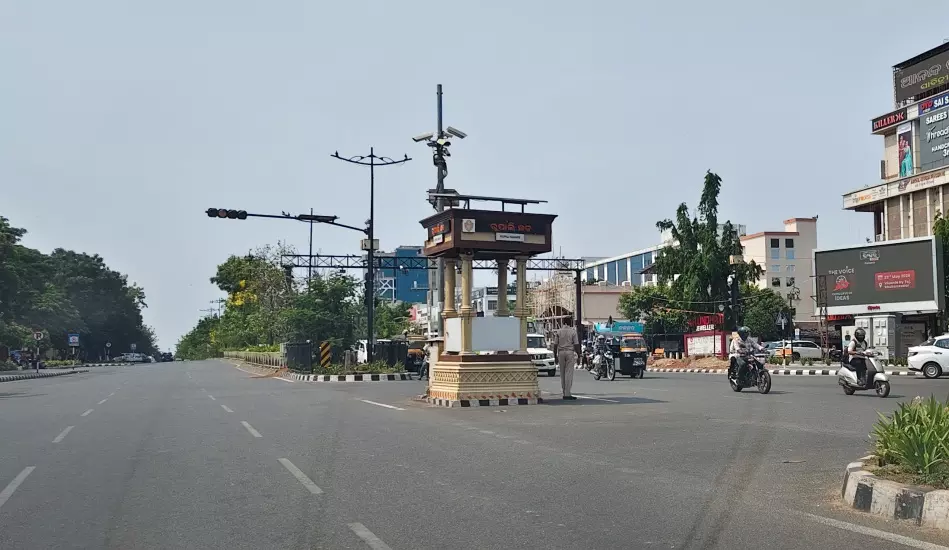
BHUBANESWAR: The heatwave situation in Odisha has turned increasingly severe, with the state reporting three confirmed deaths due to heatstroke, official sources said on Friday.
According to the Deputy Special Relief Commissioner (SRC) Padmanabh Behera, one person each died in Balangir, Sundargarh and Subarnapur districts following exposure to extreme heat conditions prevailing across the State.
Officials said district administrations had received a total of 16 complaints related to suspected heatstroke deaths. Of these, three have been officially confirmed as heatstroke fatalities, while inquiries into the remaining 13 cases are still underway.
Authorities maintained that extensive public awareness campaigns and precautionary measures undertaken by the government have helped reduce heatstroke-related casualties compared to previous years. The families of the deceased have been provided financial assistance of Rs 50,000 each from the State Disaster Response Fund (SDRF).
The scorching heatwave has severely disrupted normal life in several districts of Odisha. Residents have been reeling under unbearable temperatures and intense humidity over the past few days. The heat becomes oppressive from as early as 8 am, while afternoons feel like “fire raining from the sky”, residents said.
People are finding it extremely difficult to step outdoors as hot winds and intense sunlight make exposure unbearable. The situation has worsened further due to frequent unscheduled power cuts in several areas, leaving residents distressed amid soaring temperatures.
Several districts in the State have been recording maximum temperatures of 40 degrees Celsius or above, making Odisha one of the hottest regions in the country at present.
The intense heatwave has also affected public movement and business activities, with roads and marketplaces remaining largely deserted after noon, creating a curfew-like atmosphere in many towns and cities.
Meanwhile, environmental experts and intellectuals in the State have stressed the urgent need for forest conservation, sustainable urban planning and greater public awareness to tackle the worsening climate crisis and rising frequency of extreme weather conditions in the coming years.
