Silent Abuse Is the Most Normalised Form of Violence in India

Vaamaa Baldota, Founder & CEO of iDare, has spent years listening to what often goes unheard.
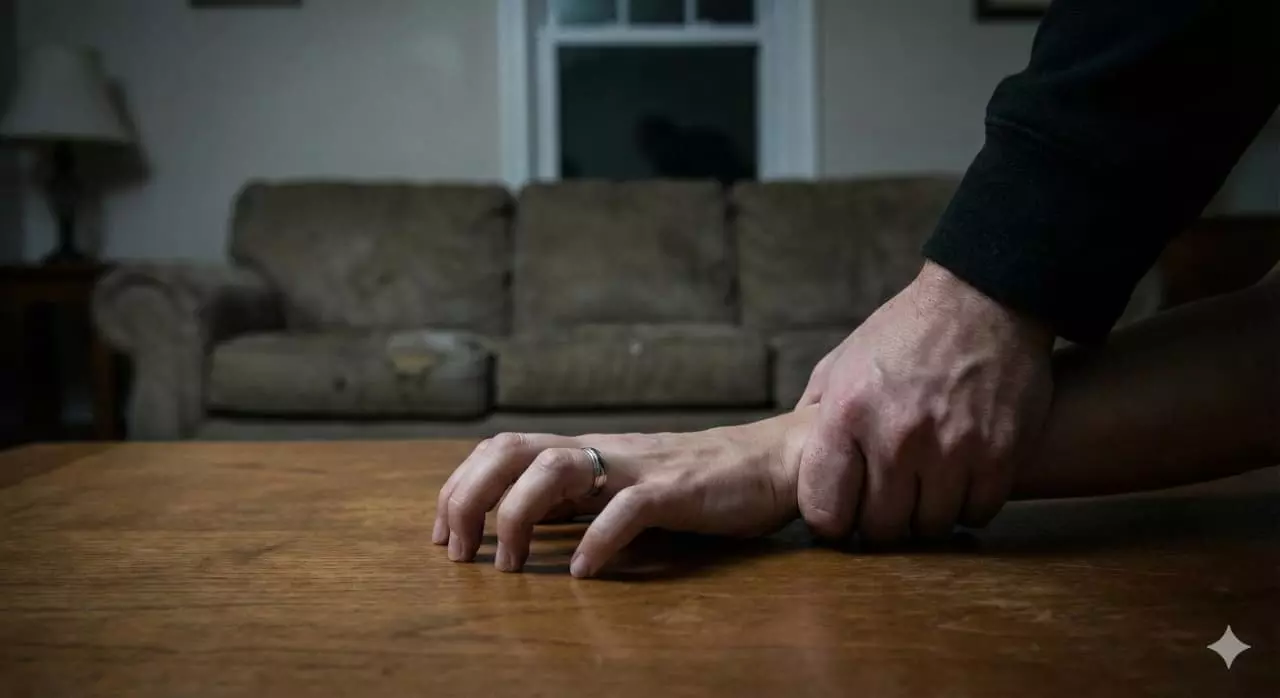
In an honest conversation with DC, iDare founder Vaamaa Baldota talks about invisible abuse, integrated care, and survivor-led healing.
Vaamaa Baldota, Founder & CEO of iDare, has spent years listening to what often goes unheard.
In this conversation, the founder of iDare breaks down silent abuse, survivor-centred support, and why healing must begin on a survivor’s terms.
What are the most common but overlooked forms of silent abuse in India?
Some of the most common forms of abuse in India are also the most invisible. Emotional abuse, gaslighting, financial control, constant monitoring, isolation from friends or family, and coercive control are often dismissed as “normal relationship issues” or “family matters.” Because they don’t leave physical marks, they are rarely recognised as abuse. In many households, control is mistaken for care, jealousy for love, and silence for peace. Over time, this slowly erodes a person’s confidence, autonomy, and sense of self. The danger of silent abuse is that it makes survivors doubt their own reality, which delays seeking help, deepens harm and at times continues the cycle of abuse.
iDare founder Vaamaa Baldota
What inspired you to build a single integrated ecosystem for survivor support?
What inspired iDare was seeing how fragmented support systems retraumatise survivors. People were expected to tell their story repeatedly to therapists, lawyers, family members, or authorities, often being judged or dismissed along the way. Abuse doesn’t affect just one part of life, so support cannot exist in silos. Survivors may need emotional support, legal clarity, safety planning, or help rebuilding confidence, sometimes all at once. A single integrated ecosystem allows survivors to move through their journey without having to rebuild trust at every step. It puts the survivor’s experience at the centre, not the system’s convenience.
How did your experiences with DARE shape the core philosophy behind iDare?
DARE showed us the reality of abuse on the ground. Working with nearly nine lakh students across schools and colleges, we saw how early abuse begins and how rarely it is spoken about. In almost every workshop, a disclosure would emerge. What stood out was not a lack of courage, but a lack of safe systems. Survivors didn’t know if what they were experiencing was abuse, feared stigma, or had nowhere to go after speaking up. DARE taught us that awareness alone is not enough. People need ongoing emotional, legal, and practical support. iDare was built to carry that learning forward and create continuity beyond the classroom.
How does iDare support survivors who are unsure or not ready to leave harmful situations?
Many survivors are not ready or able to leave, and forcing that decision can be dangerous. iDare supports people at their own pace. We offer abuse counselling and emotional support that helps survivors understand what they’re experiencing without pressure to act immediately. They can explore options, learn about boundaries, understand legal rights, and build emotional strength while staying where they are. Support is not conditional on leaving or reporting. By prioritising safety, autonomy, and choice, iDare allows survivors to regain agency before making any decision. Sometimes the most important step is simply knowing you’re not imagining it and that you’re not alone.
What does effective prevention look like in a culture where abuse is rarely spoken about?
Effective prevention begins long before a crisis. In a culture where abuse is normalised or silenced, prevention means teaching emotional literacy, boundaries, consent, and healthy communication as life skills. It also means examining how we socialise power, gender roles, and emotional expression, especially among men. When anger becomes the only acceptable emotion, it often shows up as control or violence. Prevention includes helping people recognise red flags, regulate emotions, and understand what respect actually looks like in relationships. Abuse prevention cannot focus only on victims. It must also address the behaviours and beliefs that lead to harm.
As iDare expands, what cultural or regional nuances are most important to preserve in trauma-informed care?
India is not one lived experience. Language, family structures, gender norms, caste, community pressure, and access to resources vary widely. Trauma-informed care must be culturally rooted, not generic. This means offering support in regional languages, understanding local family dynamics, and respecting how safety and autonomy look different across contexts. It also means recognising that healing may involve community, not just the individual. As iDare expands, preserving empathy, patience, and contextual understanding is essential. Scale should never come at the cost of dignity. Every person deserves to feel seen within their own reality.
