SC Seeks Replies on Anti-Conversion Laws as Churches File Plea

Appearing for the NCCI, senior advocate Meenakshi Arora also sought a stay on the operation of the state laws.
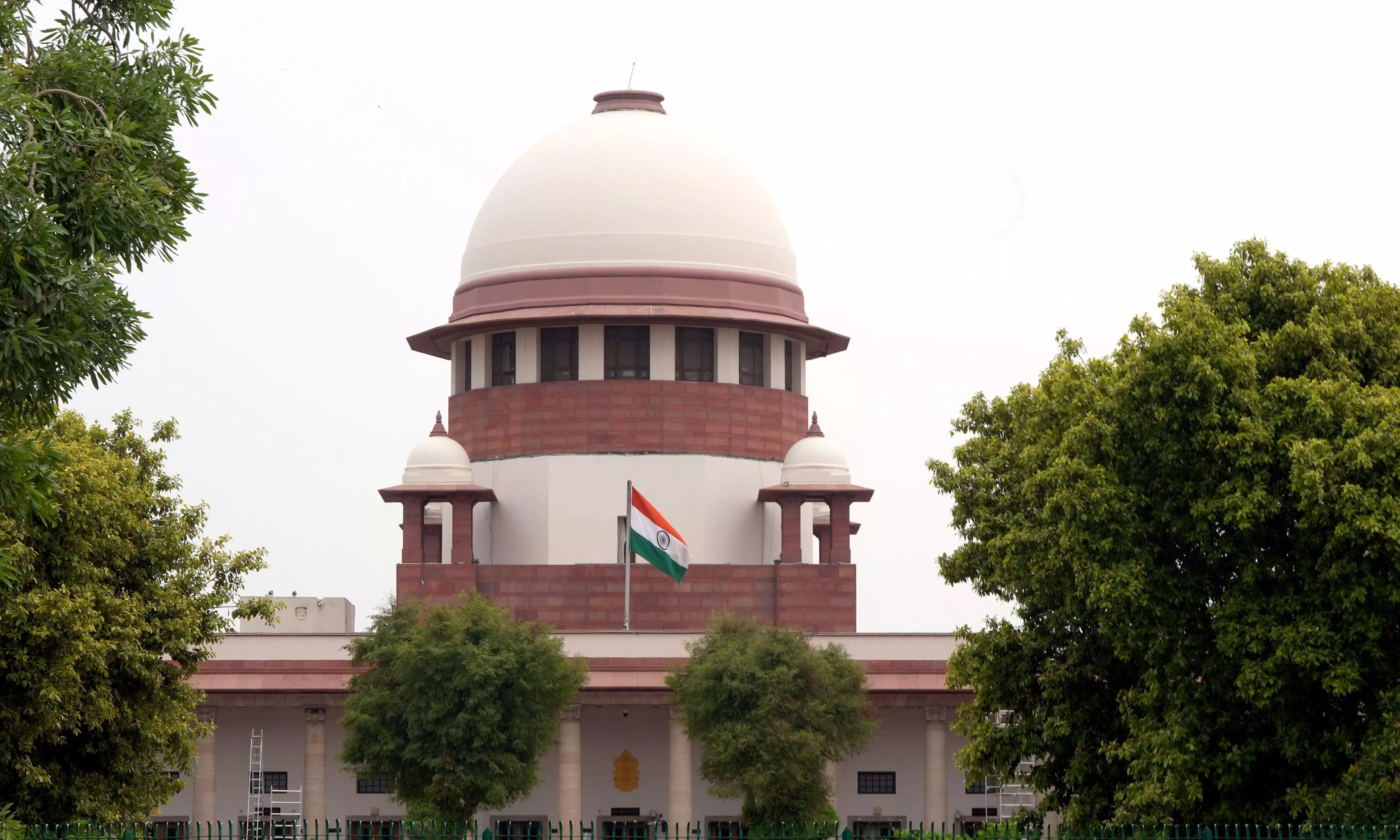
New Delhi:The Supreme Court on Monday sought responses from the Centre and 12 states, including Rajasthan and Arunachal Pradesh, on a fresh public interest litigation filed by the National Council of Churches in India (NCCI) challenging the validity of their respective anti-conversion laws. Appearing for the NCCI, senior advocate Meenakshi Arora also sought a stay on the operation of the state laws.
A two-judge Bench comprising Chief Justice of India Surya Kant and Justice Joymalya Bagchi took note of the submissions and directed the Centre and the 12 state governments to file their responses within four weeks. Apart from the Centre, notices were issued to Rajasthan, Uttar Pradesh, Odisha, Chhattisgarh, Arunachal Pradesh, Gujarat, Jharkhand, Uttarakhand, Haryana, Madhya Pradesh, Karnataka and Himachal Pradesh.
Counsel for the NCCI argued that some state laws “incentivise vigilante groups” to file complaints against alleged conversions, leading to a spate of cases. The law officer opposed the submissions, contending that the issue was already covered by a Constitution Bench judgment of the Supreme Court.
Directing that the fresh petitions be tagged with similar pending matters, the Chief Justice said the cases would be heard together by a three-judge Bench.
Solicitor General Tushar Mehta, appearing for the Centre, said similar petitions challenging state anti-conversion laws were already pending before the court and that the Centre’s reply was ready and would be filed shortly.
Arora submitted that Odisha and Rajasthan had enacted separate laws that were not under challenge in earlier petitions. She also pointed out that amendments to other Acts had not been challenged so far, and sought time to serve copies on all standing counsel.
Issuing formal directions, the court ordered that notices be served on the Advocate Generals of the states concerned, and directed the Centre and states to file a common counter affidavit within four weeks. Considering the importance of the matter, it ordered that the cases be placed before a three-judge Bench.
