SC Clarifies Removal Of Notice Did Not Lift Prohibitory Orders

Section 163 of the BNSS empowers authorities to issue orders in urgent cases: Reports
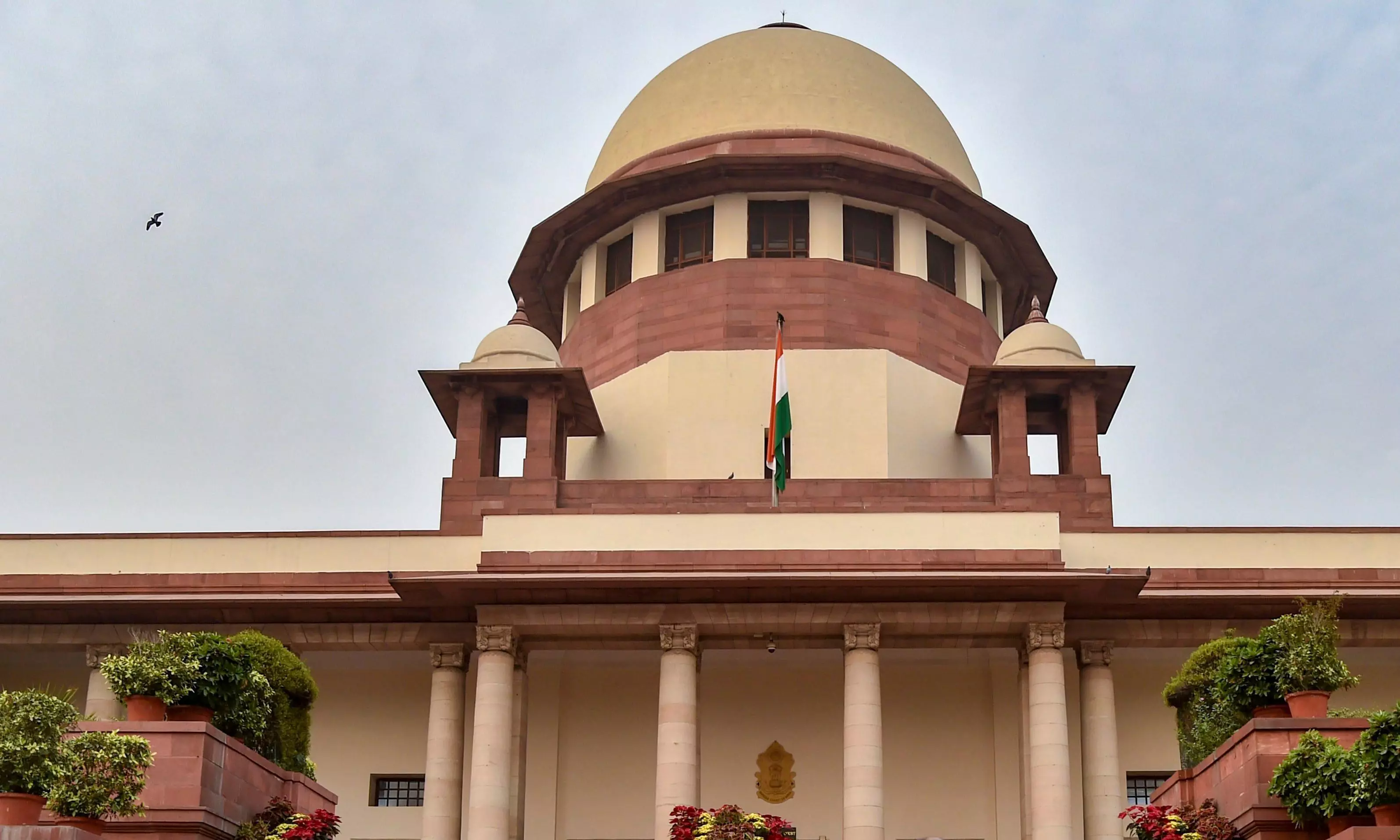
NEW DELHI: The Supreme Court has clarified that its earlier direction to remove a notice board announcing prohibitory orders in and around its premises did not amount to lifting or suspending restrictions imposed under Section 163 of the Bharatiya Nagarik Suraksha Sanhita (BNSS).
A bench of Chief Justice of India Surya Kant, Justice Joymalya Bagchi and Justice V. Mohana said the October 11 direction was issued solely to ensure unhindered access to the Supreme Court and other courts of law.
In its November 3 order, the bench observed that its earlier direction was being misconstrued as having lifted prohibitory orders in the court premises.
Section 163 of the c authorities to issue orders in urgent cases of nuisance or apprehended danger.
The court had earlier directed authorities to remove a notice board announcing the imposition of Section 163 restrictions in and around its premises.
Clarifying the purpose of that direction, the bench said it was intended to ensure that advocates, litigants and people visiting lawyers for professional consultation were not obstructed or deterred from accessing courts.
"It did not stay, suspend or otherwise dilute any prohibitory order issued under Section 163 of the BNSS," the court said.
The bench observed that certain elements were misusing the earlier direction to suggest that the prohibitory orders had been lifted.
It consequently recalled the relevant paragraph of its October 11 order and clarified that competent authorities could display the notice afresh if required.
However, it stipulated that the free movement of advocates, litigants and others having business before the Supreme Court or any other court must be properly regulated and not obstructed.
The clarification came while the court was hearing a batch of petitions concerning alleged mass detentions, restrictions on protests, closure of Metro stations and internet shutdowns in Delhi during protests planned at Jantar Mantar on October 10.
The protests were called by the Cockroach Janta Party (CJP) and student organisations against Chief Election Commissioner Gyanesh Kumar over alleged irregularities in the Special Intensive Revision of electoral rolls and the functioning of the Election Commission.
On October 11, the Supreme Court had said peaceful protesters should not be illegally detained and directed the Centre to ensure normal functioning of Delhi Metro services and avoid disruption of internet connectivity, subject to law-and-order considerations.
The legality of the prohibitory orders remains under examination in separate petitions before the court.
