Sai Cabinet Approves Implementation of UCC in Chhattisgarh

Constitutes Committee To Prepare Draft Bill
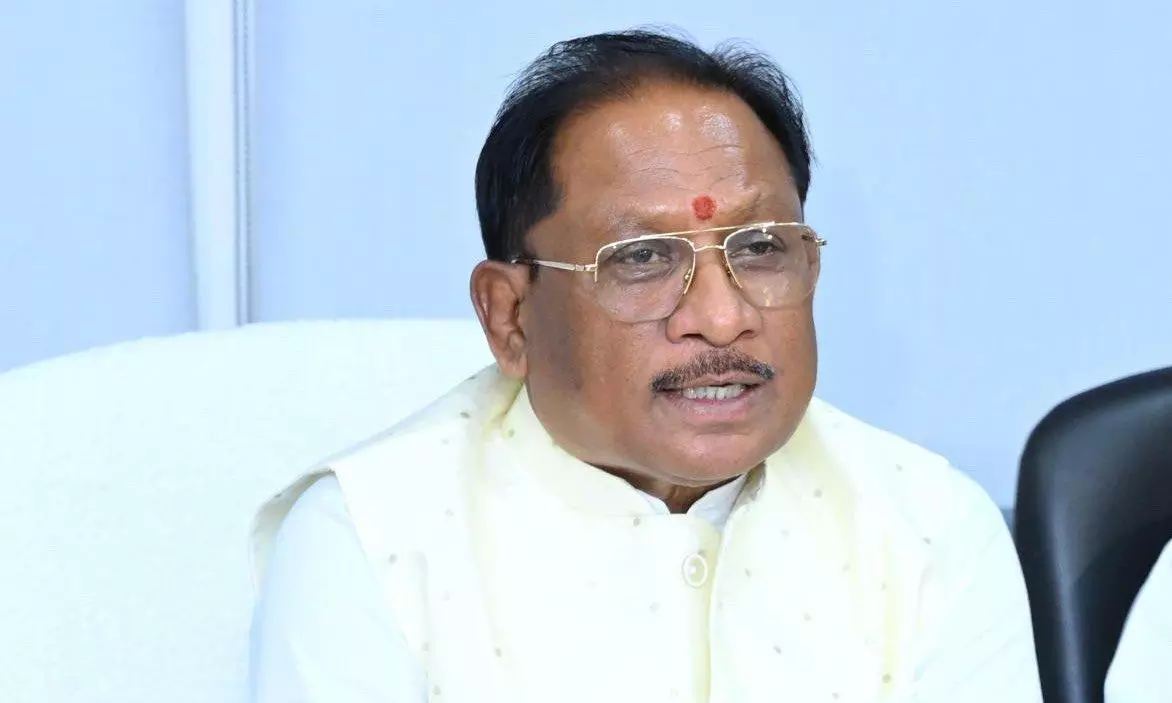
Raipur: In a major development, the Chhattisgarh government on Wednesday initiated the process to implement the Uniform Civil Code (UCC) in the state.
The state cabinet, which met here under the chairmanship of Chief Minister Vishnu Deo Sai, approved the proposal to enforce the UCC, calling the move a significant step towards legal uniformity and empowerment of women in Chhattisgarh.
The state government has decided to constitute a high-level committee, headed by retired Justice Ranjana Prakash Desai, to draft the UCC framework, a spokesman of Chhattisgarh government said while briefing the deliberations in the state cabinet meeting.
“The committee will consult citizens, legal experts, and stakeholders to prepare a comprehensive draft, which will later be placed before the state Assembly for its passage following due legal procedures”, the spokesman said.
The move seeks to replace the current system of religion-based personal laws governing marriage, divorce, inheritance, and family matters with a uniformed and simplified legal structure.
“The government believes this will make the justice delivery system more transparent and accessible, while ensuring equal rights, particularly for women”, the spokesman said.
As of April 2026, Uttarakhand is the first state in the country to pass and implement the UCC, enacted in 2024-25.
Goa has maintained a common family law, the Portuguese Civil Code of 1867, since before India’s independence, making it the only other state with a functioning uniform civil system.
Chhattisgarh has joined other BJP-ruled states, Assam, Gujarat, Madhya Pradesh, Haryana and Uttar Pradesh, which have expressed intentions to implement the UCC.
In another major decision, the cabinet announced a 50 percent concession in property registration fees for assets registered in the name of women.
This is expected to make property ownership more accessible and affordable for women, encouraging families to register assets in their names, the spokesman said.
Officials said that the decision may result in a revenue impact of around Rs 153 crore to the state exchequer.
However, it is being viewed as a long-term social investment aimed at empowering women, officials said.
