Rising Drownings At Puri Beach In Odisha Spark Safety Concerns; Six Deaths In Three Months

Data from recent years points to a worrying trend. In 2024, as many as 416 people were rescued from drowning situations, with six fatalities recorded. In 2025, rescues rose to 445, but the death toll climbed to ten.
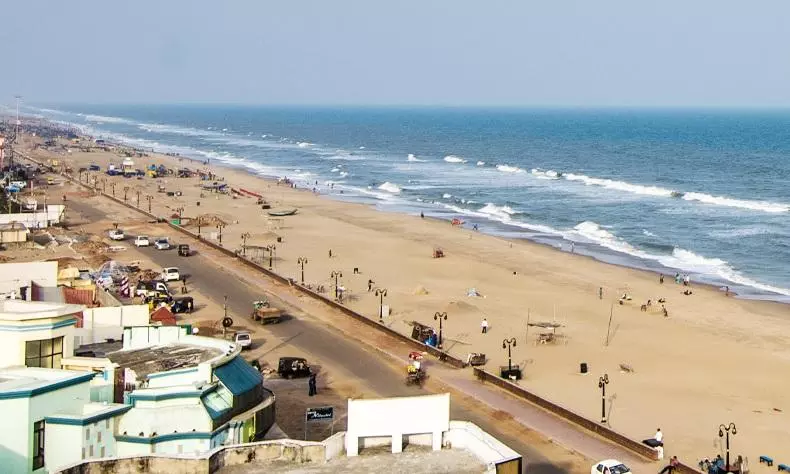
Bhubaneswar: Bathing in the sea at Puri Beach, one of Odisha’s most visited coastal destinations, is turning increasingly hazardous, with a spike in drowning incidents raising alarm among authorities and locals alike.
In the past three months alone, at least six tourists have lost their lives, while several others sustained injuries after being caught in strong waves and underwater rip currents, officials said on Tuesday.
Data from recent years points to a worrying trend. In 2024, as many as 416 people were rescued from drowning situations, with six fatalities recorded. In 2025, rescues rose to 445, but the death toll climbed to ten. The current year has already reported six deaths in just the first quarter, underscoring the growing risk.
Officials attribute many of these incidents to negligence among visitors. Tourists are frequently seen venturing into the sea during high tide or straying into unsafe zones, often ignoring warnings. Sudden rip currents and powerful waves can pull swimmers into deeper waters within seconds, leaving little time for rescue.
Puri district fire services department has acknowledged the concern and plans to deploy additional lifeguards to improve response time. However, gaps in on-ground infrastructure continue to be flagged.
Experts and local stakeholders said the shortage of trained lifeguards, absence of watch towers, and inadequate warning systems are compounding the problem. They have called for a comprehensive safety overhaul, including better signage, modern rescue equipment, and stricter regulation of tourist activity along vulnerable stretches.
Renowned sand artist Sudarsan Pattnaik stressed the need for a structured action plan to regulate sea bathing and enhance tourist safety.
Local resident Saroj Kumar Behera pointed to systemic shortcomings, saying the current arrangements fall short of what is needed for a high-footfall destination. He advocated the installation of watch towers for real-time monitoring, increased lifeguard deployment, and the introduction of rapid-response options such as jet skis for emergency rescues.
Behera also flagged risky behaviour among tourists, including entering the sea under the influence of alcohol, and suggested enforcement measures such as fines to deter violations.
The issue gained renewed attention after two tourists drowned on March 30, once again highlighting the vulnerabilities at the beach.
