Revisit MSME NPA Norms To Reflect Domestic Cash Flows, Not Global Standards: CEA Nageswaran to RBI

From a policy perspective, the finance ministry has been advocating a review of the norms, Nageswaran said, highlighting that MSMEs across sectors have different working capital requirements and cash flow cycles.
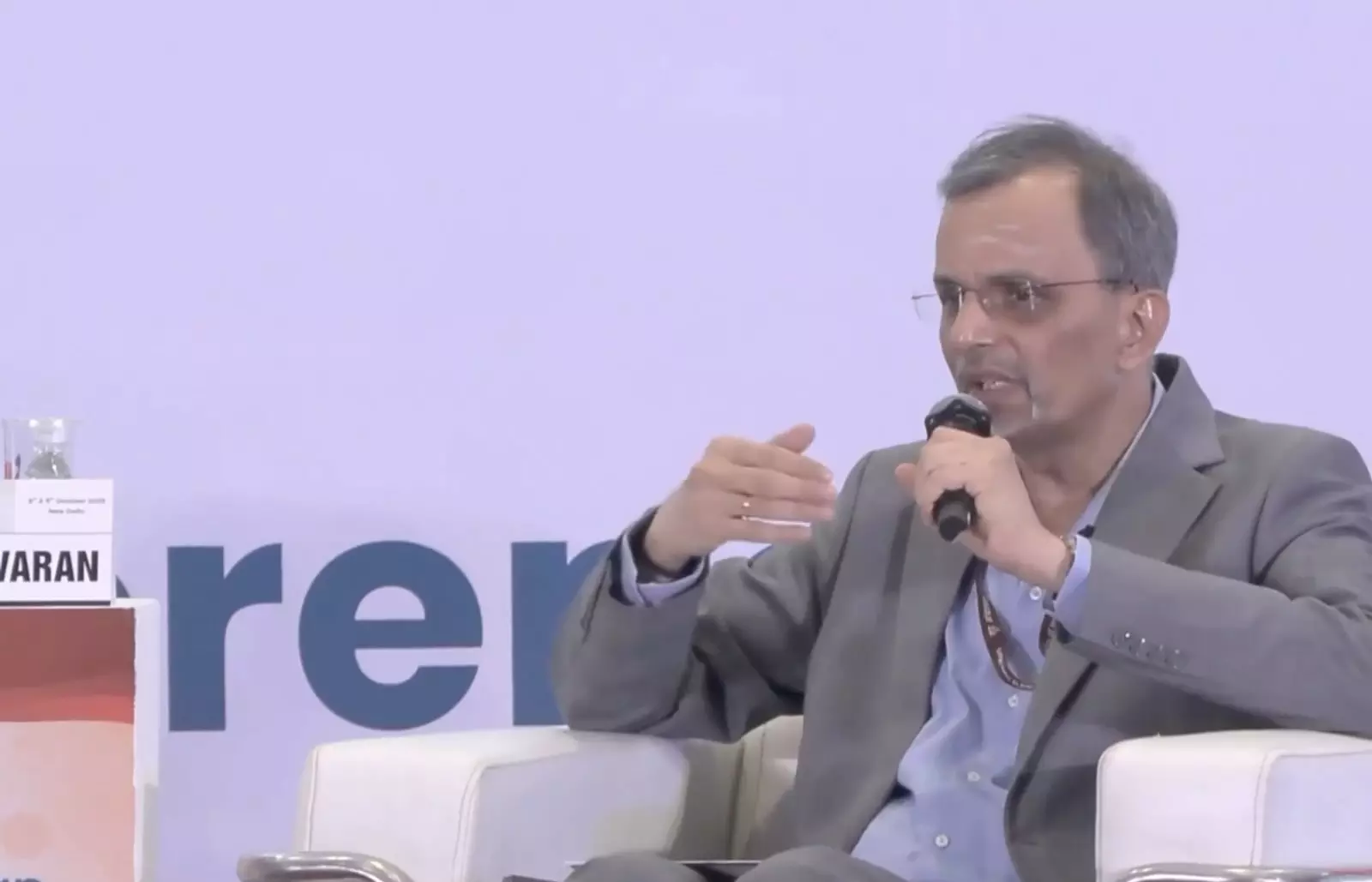
New Delhi: Chief economic advisor (CEA) V Anantha Nageswaran on Friday made a case for revisiting non-performing asset (NPA) classification norms for micro, small and medium enterprises (MSMEs) by the Reserve Bank, saying the rules should reflect domestic business practices and cash flow patterns rather than follow a globally uniform framework.
From a policy perspective, the finance ministry has been advocating a review of the norms, Nageswaran said, highlighting that MSMEs across sectors have different working capital requirements and cash flow cycles.
Under the existing framework, loan accounts are classified as special mention accounts (SMAs) based on the period of overdue payments, with categories corresponding to 30 days, 60 days and 90 days. An account is generally classified as a non-performing asset if interest or principal remains overdue for more than 90 days.
The CEA also said that the transition to SMA classification itself could have significant consequences for borrowers, with businesses potentially facing difficulties even before their accounts are formally classified as NPAs. “The moment you are classified as SMA, then you almost end up becoming already de facto, if not de jure,” he said at the 21st National Conference of Inclusive Growth organised by Sa-Dhan here.
The CEA also called for evolving norms that are better aligned with India's business practices and the cash flow patterns of MSMEs, instead of adopting a uniform global standard. “We need to evolve such norms consistent with our practices and cash flow patterns, rather than adopting a globally uniform pattern. These would be some of the things we need to do for the MSME sector which is a big employment generator,” he said.
On ease of doing business, Nageswaran also said it impacts MSMEs more than large businesses. “The central government, under the leadership of the cabinet secretary, has also been pursuing deregulation at the grassroots level for MSMEs over the past nearly two years,” he said.
“Smaller businesses bear a disproportionate burden of compliance costs, both in terms of money and time. Reducing this burden would enable them to devote their limited resources and time to running their businesses and hiring more people, thereby generating employment and delivering tangible benefits on the ground,” he added.
