Retail Fuel Rate Remains Unchanged Despite Fall of Crude Prices

Brent falls to pre-conflict levels; consumers await relief at fuel pumps
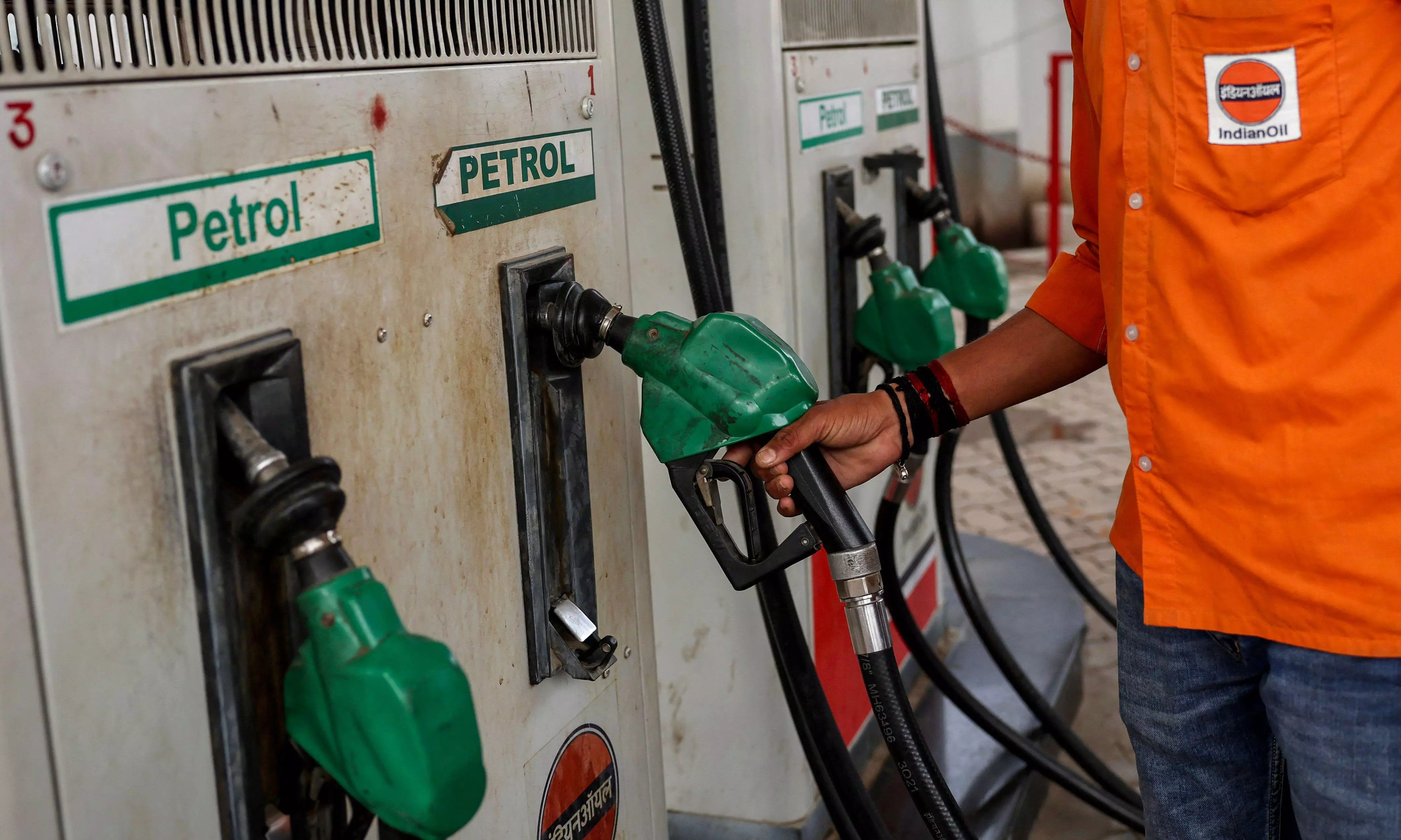
New Delhi: Despite the sharp fall in international crude oil prices, retail fuel rates in India remained unchanged on Thursday. Petrol and diesel prices had been raised by a total of about Rs 7.50 per litre each during the recent spike in international oil prices, but state-owned fuel retailers have so far refrained from cutting pump prices, according to industry data.
Brent crude dropped to about $72-73 a barrel, while US crude fell below $70 a barrel, erasing the geopolitical risk premium that had driven prices as much as $120 a barrel during the height of the conflict earlier this year. Both benchmarks are seen near levels last seen in late February.
With Brent crude now back near pre-conflict levels, the sources said that pressure is likely to mount on fuel retailers and the government to pass on some of the gains to consumers, particularly if crude remains below recent highs for an extended period. “Lower fuel prices could further ease inflationary pressures and support consumer spending in Asia's third-largest economy,” the sources said.
However, officials in the state-owned oil firms said that the three state-run fuel retailers are currently earning healthy marketing margins on petrol, although diesel sales continue to generate a modest loss. The companies had held retail prices steady for nearly two-and-a-half months despite rising global crude prices before implementing only a partial increase.
Global oil prices fell on Thursday to their lowest levels since before the outbreak of the Iran conflict, offering a significant economic tailwind for India, the world's third-largest crude importer, by easing inflation risks, reducing the import bill and improving the government's fiscal position.
Industry insiders, however, noted that fuel prices are not adjusted based on daily movements in international crude markets but are typically guided by average oil prices over the preceding fortnight or month. “As a result, any benefit from the recent correction in crude prices may take time to be reflected at the pump if lower international rates are sustained,” they said.
The decline follows a normalisation of tanker traffic through the Strait of Hormuz, through which roughly one-fifth of global oil supplies pass. The US officials, however, said at least 20 million barrels transited the waterway over the past 24 hours, with flows nearing pre-war levels. For India, which imports more than 88 per cent of its crude oil requirements, every $10-per-barrel fall in oil prices translates into billions of dollars in annual savings on its import bill and helps narrow the current account deficit.
