Restrictions To Continue Across Kashmir As Protests Enter Third Day

The administration also confirmed that prepaid mobile internet services across the Valley will continue to operate at restricted 2G speeds until 8 PM on March 4: Reports
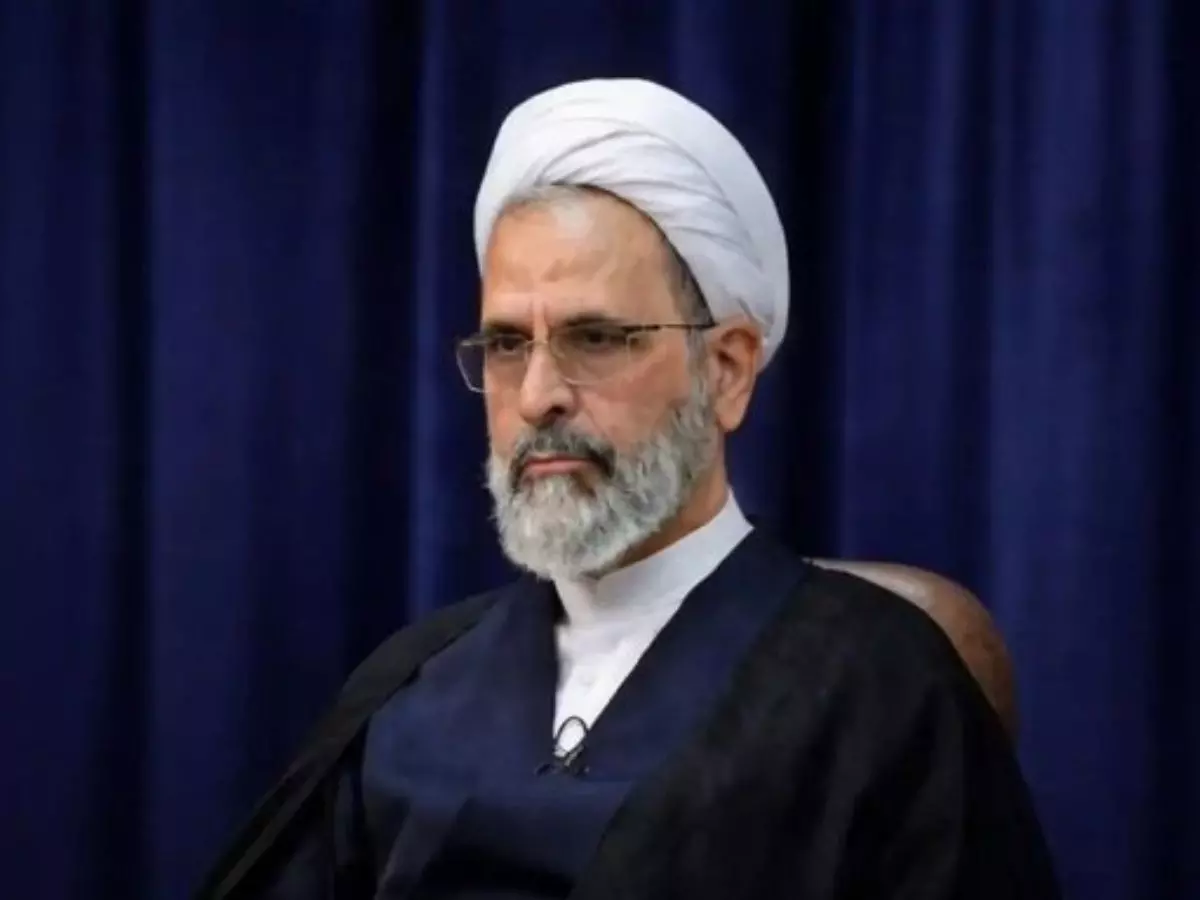
SRINAGAR: Mourning and protests over the killing of Iran’s Supreme Leader Ayatollah Syed Ali Khamenei in joint US‑Israeli air strikes continued for the third straight day on Wednesday in various areas of the Kashmir Valley, with demonstrations also reported from parts of Ladakh and Jammu’s Pir Panjal region.
Against this backdrop, authorities announced that restrictions will remain in force in all districts of the Valley as a precautionary measure, citing the need to maintain public order amid heightened tensions. Officials said the decision followed continuous assessments of the situation and was aimed at preventing any untoward incidents, noting that Tuesday had largely remained calm despite sporadic protests.
The administration also confirmed that prepaid mobile internet services across the Valley will continue to operate at restricted 2G speeds until 8 PM on March 4. According to an order issued by the Home Department, all prepaid mobile data—whether 2G, 3G, or 4G—has been throttled to a maximum of 128 Kbps, while prepaid mobile services including pre‑on‑post (JK10) data, voice, and SMS remain temporarily suspended.
The order, issued under the Temporary Suspension of Telecommunication Services Rules, 2024, and Section 20 of the Telecommunication Act, 2023, formally upholds the directions earlier passed by the IGP Kashmir Zone, the designated Authorised Officer.
The government stated that the continuation of high‑speed internet could pose risks to public order and security, and therefore the restrictions—effective since 9 AM on March 1—were deemed absolutely necessary to safeguard the sovereignty and integrity of the Union Territory.
The Home Department’s communication, issued by the Principal Secretary, has been circulated to senior civil and police authorities for immediate compliance.
Officials have urged the public to cooperate with the measures, emphasising that the restrictions are temporary and aimed at preserving peace and stability during a sensitive period.
Earlier on Tuesday, Education Minister Sakina Itoo announced via ‘X’ that all schools and colleges in the Kashmir Division will remain closed until March 7.
Her office said the extension followed a careful review of the prevailing situation and forms part of a broader set of precautionary steps to ensure the safety of students, teachers, and staff. Authorities will issue further updates after the next round of assessments, and students and parents have been advised to stay connected to official communication channels for timely information.
Lieutenant Governor Manoj Sinha chaired a high‑level meeting at the Police Control Room in Srinagar to review the law‑and‑order situation.
The meeting was attended by senior officials including DGP Nalin Prabhat, Special DG (Coordination) S.J.M. Gillani, ADGP Armed Anand Jain, ADGP CID Nitish Kumar, IGP Kashmir V.K. Birdi, Divisional Commissioner Kashmir Anshul Garg, DIG Central Kashmir Range Rajiv Pandey, Deputy Commissioner Srinagar Akshay Labroo, and other senior officers.
During the review, the Lt. Governor directed the administration and police to remain on heightened alert and ensure seamless coordination so that any emerging challenges can be addressed swiftly and effectively.
Meanwhile, protests continued for the third consecutive day in Kargil district of Ladakh, where large gatherings were reported in several localities. Demonstrations were also witnessed in parts of Poonch district and a few other pockets of J&K.
Reports indicated that shops and business establishments in these areas remained closed, reflecting the widespread public sentiment and the continuing impact of the developments in the region.
