RAT Deploys Mid-Air, Air India Flight Lands Safely

The RAT, a small turbine that automatically deploys in the event of a dual engine failure or total electrical or hydraulic failure, uses airspeed to generate emergency power to critical systems.
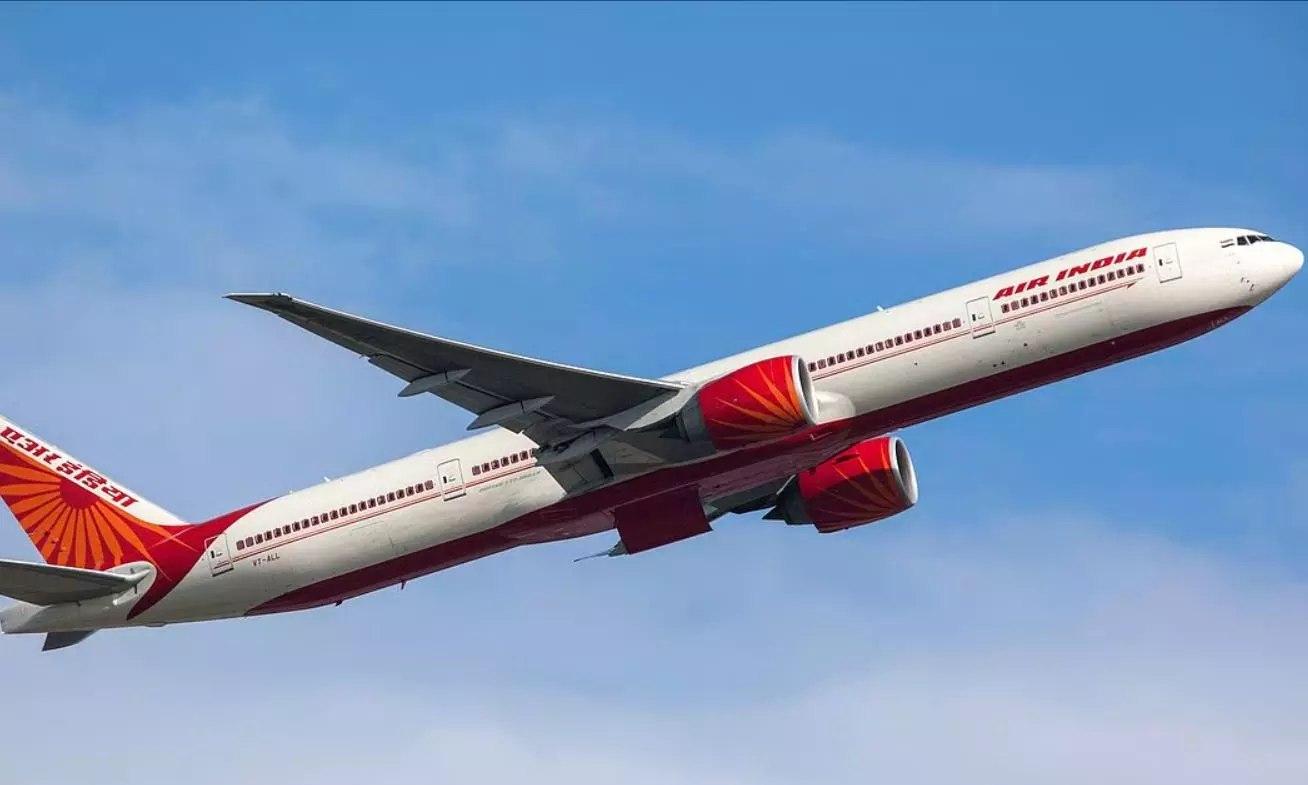
Mumbai: The operating crew of Air India’s Amritsar-Birmingham flight reported an unexpected deployment of the Ram Air Turbine (RAT) on the aircraft’s final approach on October 4, the airline said on Sunday. The Boeing 787 Dreamliner landed safely, and all passengers were unharmed.
The RAT, a small turbine that automatically deploys in the event of a dual engine failure or total electrical or hydraulic failure, uses airspeed to generate emergency power to critical systems.
In a statement, Air India said, “The operating crew of flight AI117 from Amritsar to Birmingham on October 4 detected deployment of the Ram Air Turbine during final approach. All electrical and hydraulic parameters were found normal, and the aircraft performed a safe landing at Birmingham.”
Following the incident, the airline grounded the aircraft for detailed inspection and cancelled its Birmingham–Delhi return flight. “Alternative arrangements are being made to accommodate passengers,” Air India said, without specifying the number of people on board.
The airline and technical experts are investigating the cause of the RAT’s deployment.
The incident comes amid heightened scrutiny of Boeing 787 operations after a fatal crash involving another Air India Dreamliner in June this year. On June 12, Air India’s flight AI171 from Ahmedabad to London Gatwick crashed into a medical hostel complex shortly after takeoff, killing 260 people, including 241 passengers and crew.
The Aircraft Accident Investigation Bureau (AAIB), which is probing the crash, said in its preliminary report that the fuel control switches of the Boeing 787-8 were turned off seconds after liftoff. One pilot was heard asking the other why he had done so, to which the second responded that he had not. The switches were later turned on again, but one engine failed to recover thrust, leading to a rapid descent and crash within 30 seconds of takeoff.
The US aircraft manufacturer Boeing has so far not commented on the Ahmedabad crash, which remains one of the deadliest air disasters in India in the last three decades.
