Pollinator Decline Threatens Ecosystems, Food Production

The seminar, organised recently by the Orissa Environmental Society (OES) on the theme ‘Environmental Degradation – Impacts on Pollination’, discussed the growing threats to beneficial insects and the need to protect their natural habitats.
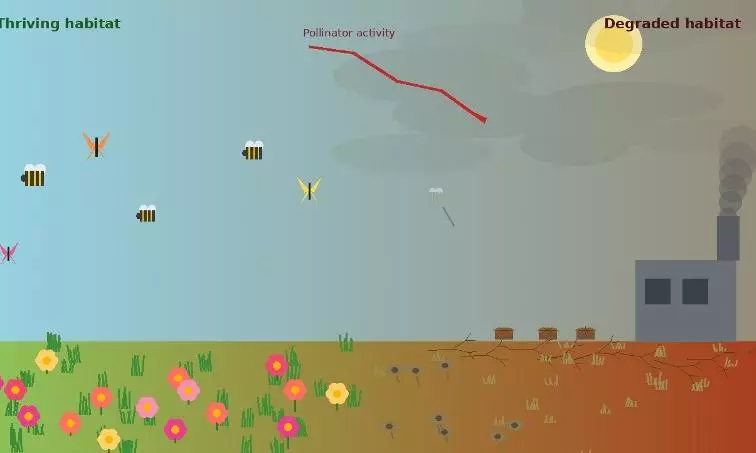
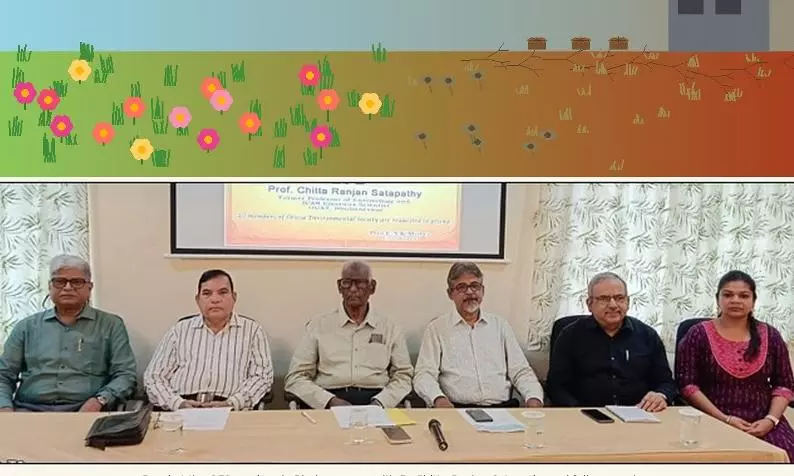
Bhubaneswar: The continuing degradation of the natural environment is posing a serious threat to pollinators, with the decline of bees, butterflies, moths, beetles and certain flies having potential consequences for biodiversity, ecosystem stability and agricultural production, environmental experts said at a seminar here.
The seminar, organised recently by the Orissa Environmental Society (OES) on the theme ‘Environmental Degradation – Impacts on Pollination’, discussed the growing threats to beneficial insects and the need to protect their natural habitats.
Former OUAT professor and ICAR emeritus scientist Dr Chitta Ranjan Satapathy, who was the chief speaker, said deforestation, mining, industrialisation, pollution, urbanisation and excessive use of pesticides were contributing to the deterioration of habitats and food sources of pollinators.
He said the destruction of forests, grasslands and flowering plants was reducing the availability of nectar and other resources required by pollinating insects. The indiscriminate use of chemical pesticides could also kill beneficial insects along with target pests, while air and water pollution could affect insect health and reproduction.
Dr Satapathy further pointed to climate change as an emerging concern, saying changes in flowering periods and insect life cycles could create a mismatch between plants and their pollinators.
Pollinating insects play a crucial role in transferring pollen between flowers, enabling plants to produce fruits and seeds. A substantial number of crops, including fruits, vegetables, nuts and oilseeds, depend partly or entirely on insect pollination.
OES president Dr Sundara Narayana Patro stressed the need for greater public awareness and conservation initiatives. He said farmers could reduce their dependence on chemical pesticides by adopting integrated pest management and safer, targeted alternatives.
OES working president Dr Jayakrushna Panigrahi emphasised the importance of planting flowering species, maintaining hedgerows, protecting forests and developing pollinator-friendly gardens to provide insects with food and shelter.
OES secretary Er Manoranjan Mishra delivered the welcome address, while coordinator Prof CSK Mishra introduced the speakers. Joint secretary Dr Surabhi Jain proposed the vote of thanks.
Prof KC Sahu, Dr Prakash Mohapatra, Prof Amarendra N. Mishra, Er Bimal Dash, Dr Sudhakar Kar and Er Subash Satpathy also participated in the discussion. OES members and environment enthusiasts attended the seminar.
