SIR Aims to Keep Electoral Rolls Accurate, Reliable, Says Fadnavis

The CM described the present SIR as “simply the next phase” of the efforts to maintain accurate and reliable electoral rolls.
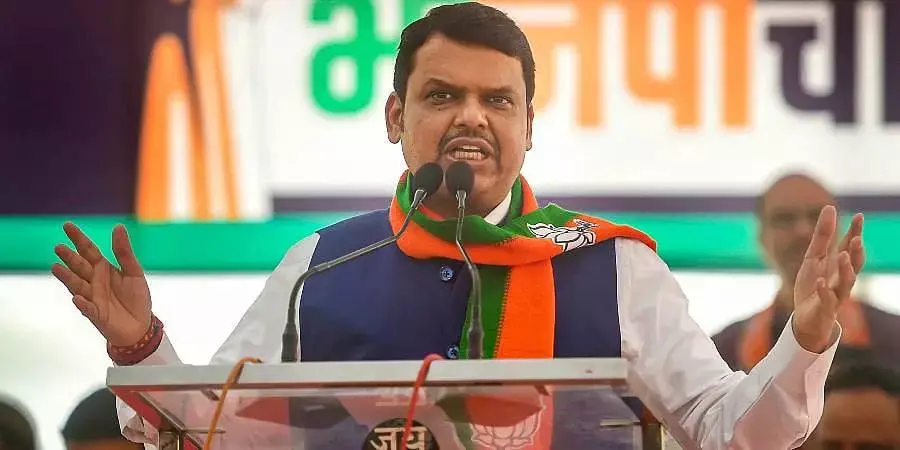
Mumbai: Maharashtra Chief Minister Devendra Fadnavis on Monday said that the current SpecialIntensive Revision (SIR) being undertaken by the Election Commission is part of an established process aimed at maintaining the accuracy and credibility of voter lists.
He described the present SIR as “simply the next phase” of the efforts to maintain accurate and reliable electoral rolls.
In a post on X, Mr. Fadnavis said the Election Commission had undertaken intensive revisions across most parts of the country between 1952 and 1956, followed by similar exercises in 1957, 1961, 1965 and 1966.
He said further revisions were carried out during 1983–84, 1987–89, 1992, 1993 and 1995, and again in 2002, 2003 and 2004.
“An intensive revision involves door-to-door collection of voter information, distribution and collection of enumeration forms and verification of electoral records.
Unlike routine updating of electoral rolls, an intensive revision involves preparing the rolls afresh through voter enumeration,” Mr Fadnavis said.
The CM attributed changes in electoral rolls over time to factors including rapid urbanisation, migration, deaths, the addition of newly eligible voters and transfers of voter registration from one location to another.
Given these changes, he said, periodic and detailed verification of electoral records was necessary, he said.
In Maharashtra, the SIR of electoral rolls began on June 30, with Booth Level Officers undertaking door-to-door verification and collecting pre-filled enumeration forms.
The exercise was initially scheduled to end with publication of the final electoral roll on October 7, but the Election Commission subsequently revised the timetable.
The final revised electoralroll is now scheduled for publicationon November 16.
Mr. Fadnavis said ensuring that all eligible citizens were included in the electoral rolls, while preventing the omission of eligible voters, remained among the Election Commission’s primary objectives.
He described the SIR as the next phase in a routine update to keep electoral rolls accurate and reliable.
The SIR has triggered controversy in Maharashtra after 2.07 crore electors were left out of the draft rolls.
Opposition parties have alleged wrongful exclusion of voters and questioned the process’s transparency.
The Election Commission has maintained that the figure does not represent final deletions, while petitions challenging aspects of the exercise have also been filed in the Bombay High Court.
Maharashtra Congress president Harshwardhan Sapkal alleged that constitutional rights were being “trampled upon and disrespected” in the country.
His comments came a day after Supreme Court judge Justice Ujjal Bhuyan said that any process that disenfranchises millions of Indian citizens is “intrinsically arbitrary” and a negation of the constitutional order that no amount of “whataboutery” can justify.
Asked about Justice Bhuyan’s comments, Mr. Sapkal said, “It is widely known now that our rights are being trampled, the rights given by the Constitution are being disrespected and what the SC Justice has said is actually a fact.”
The owner of this country is not the prime minister, but the common man, which the Constitution states clearly, the Congress leader asserted.
“However, the bulldozer called SIR, which is going on, is being used to obstruct voting rights, powers, and parties by the Election Commission,” he said.
