The long wait has come to an end as the administration has officially declared Chormara free from Maoist influence, paving the way for polling booths to return to the area after more than 20 years
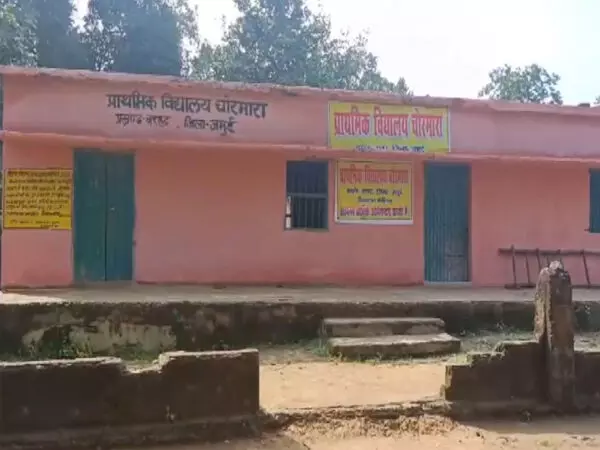
Hyderabad: For the first time in two decades, the residents of Chormara village in Bihar’s Jamui district will be able to cast their votes in their own village. The long wait has come to an end as the administration has officially declared Chormara free from Maoist influence, paving the way for polling booths to return to the area after more than 20 years. The polling will take place at Chormara Primary School on November 11, rekindling hopes of democracy and development among the villagers.
Earlier, due to security concerns, polling booths for Chormara’s voters were shifted to Koa School in Barhat block, located nearly 22 km away. For villagers living under constant Maoist threat, travelling such a long distance through forested terrain was nearly impossible. “We wanted to vote, but going there meant risking our lives,” recalled a resident. This year, however, the mood in the village is different — vibrant, hopeful, and determined. “We are finally going to vote where we live,” said an excited villager.
The last time Chormara witnessed polling was in 2004. Soon after, in 2005, Maoists took complete control of the area. In the same year, seven police personnel, including Munger superintendent of police K.C. Surendra, were killed in a powerful Maoist blast, marking the beginning of Chormara’s two-decade-long isolation from mainstream politics. What followed was a reign of terror and fear.
Residents recall those years as a dark period when life and death were decided in the Maoist “people’s courts.” Villagers accused of being police informers were kidnapped, tried, and executed publicly.
“I saw about 10-20 people being killed here — shot and chopped,” said Sahodri Devi, a long-time resident. Another villager, Sitaram Kora, remembered how the Maoists forcibly recruited villagers, including teenagers, into their cadre. “They gave guns to our children. Those who refused were killed,” he said.
The fear was so intense that even talking about elections was considered dangerous. Booths were destroyed, voters were threatened, and entire families fled to nearby towns. Maoist control extended not just to Chormara but also to nearby villages like Gurmaha, Jamunia, Bichlatola, and Hanumanthan. For years, these areas remained cut off from basic government services, education, and healthcare.
Now, with the decline of Maoist activity in the region, there is a new sense of optimism.
Villagers say they now associate Maoism with “the politics of destruction” and hope that democracy will finally bring development. They dream of electricity, better roads, and improved communication facilities—things they have been denied for decades. “We just want peace and progress now,” said another villager.
Politically, the Jamui Assembly constituency is gearing up for an intense three-way battle. The BJP has re-nominated sitting MLA Shreyasi Singh, while the RJD has fielded Mohammad Shamshad Alam. Anil Prasad Sah of the Jan Suraj Party is also seen as a strong contender, making the contest unpredictable.

