Parties Use Chhath Puja to Woo Voters in Bihar Polls

Political analysts point out that the heightened focus on Chhath Puja 2025 coincides with the upcoming Bihar Assembly polls, prompting intensified efforts by political parties to win over the community’s support
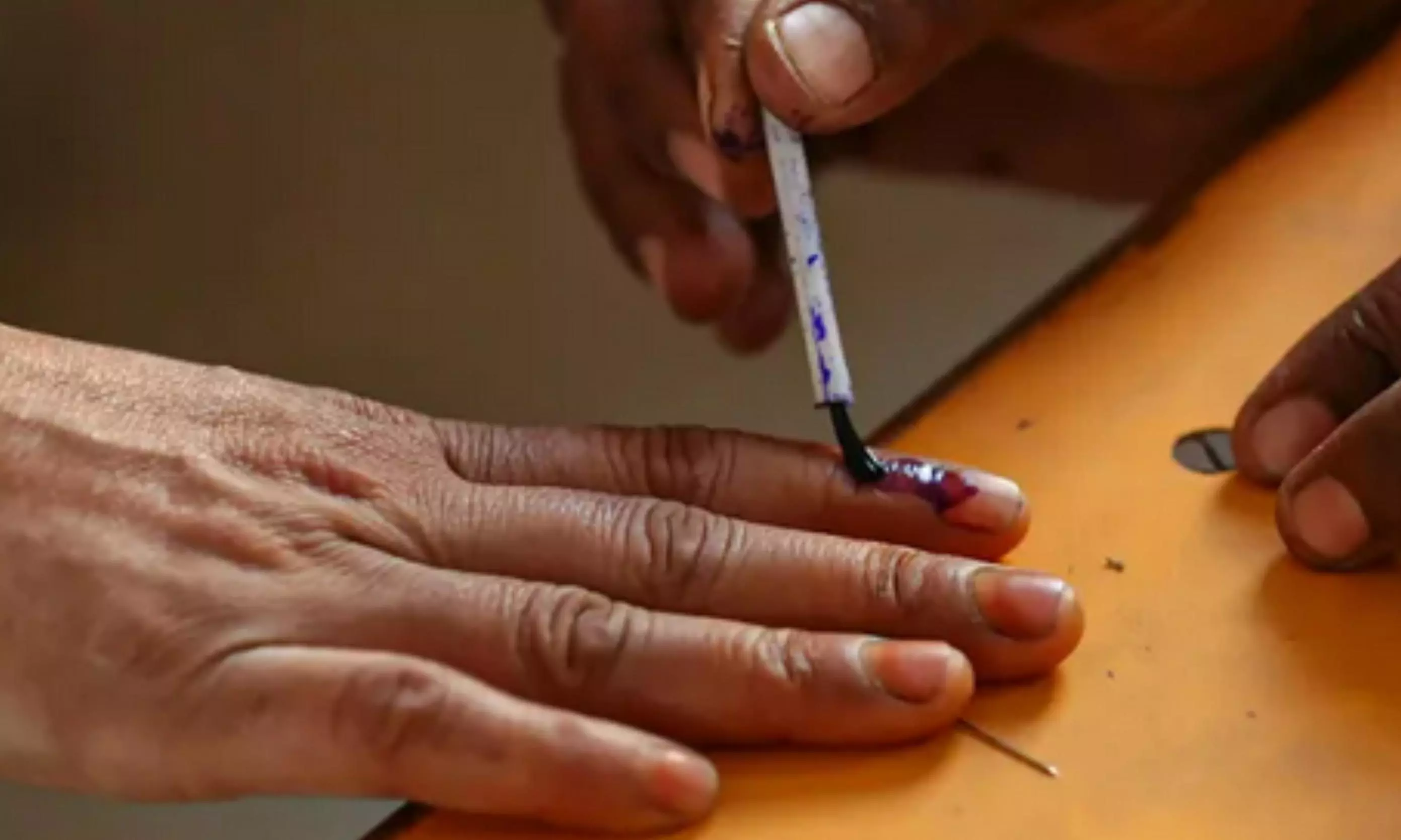
NEW DELHI: The Chhath festival, once a purely spiritual and cultural celebration of Bihar and Uttar Pradesh, has increasingly become a stage for political symbolism, with major parties across North India using it as a tool to woo voters.
Ahead of the Bihar Assembly elections, from Patna’s riverbanks to Delhi’s Yamuna ghats and Lucknow’s ponds along the Gomti river, political parties are vying to claim ownership of the festival, transforming faith into a political statement.
According to sources, Prime Minister Narendra Modi is likely to visit a Chhath Ghat in Delhi on Tuesday morning, while in Bihar, leaders from the RJD, JD(U), BJP, and Congress are expected to make appearances at various ghats, each trying to project themselves as the true guardians of tradition.
In Delhi, the AAP-BJP rivalry has extended to Chhath arrangements, ranging from the construction of artificial ponds to the announcement of “Chhath holidays” and special transport services. Modi is likely to visit Vasudev Ghat in New Delhi early Tuesday to offer prayers to the rising sun on the final day of the festival. Delhi Chief Minister Rekha Gupta and Cabinet ministers are also expected to attend the ceremony around 5.30 a.m., although the Prime Minister’s visit has not been officially confirmed.
The Delhi government has made elaborate arrangements for the occasion. Officials claim that this year, devotees will not have to bathe in the polluted waters of the Yamuna, as its quality has improved significantly compared to last year. The Chief Minister personally inspected several Chhath ghats and reviewed preparations across the capital, while other ministers visited key sites up until Sunday.
Political analysts point out that the heightened focus on Chhath Puja 2025 coincides with the upcoming Bihar Assembly polls, prompting intensified efforts by political parties to win over the community’s support. Even a potential visit by Modi to a Chhath ghat could be viewed as an attempt to reach out to voters from Bihar.
What was once a local, devotional celebration has now evolved into a public and highly politicised urban event, with parties competing to showcase both cultural sensitivity and administrative efficiency. The festival offers them a platform to project inclusivity, for instance, the BJP in Mumbai and Delhi organises large-scale Chhath events and facilities to appeal to North Indian migrant communities, who wield growing influence in urban constituencies.
The Central government has also announced plans to operate over 12,000 special train trips from across the country to help people from Bihar, Jharkhand, and Uttar Pradesh travel home for the festival. However, opposition parties have been quick to highlight logistical failures, posting images and videos of overcrowded trains and passengers traveling in unsafe conditions, accusing the government of poor planning while positioning themselves as more empathetic to devotees’ struggles.
