Pakistan Defence Minister Threatens War Over Water Dispute With India

Khawaja Asif Issues Fresh Warning Amid Indus Treaty Suspension as Pakistan Faces Severe Internal Water Shortages
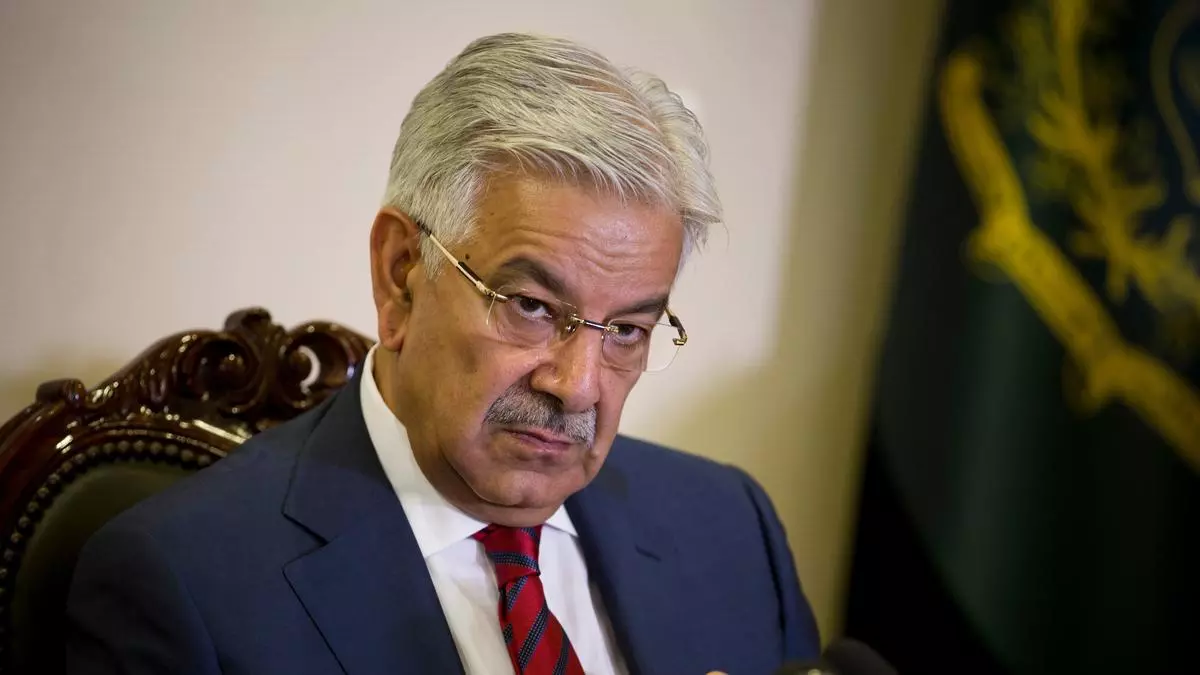
Pakistan Defence Minister Khawaja Asif has threatened war against India over water security, escalating rhetoric amid ongoing tensions following New Delhi's suspension of the 1960 Indus Waters Treaty.
Speaking to ARY News, Asif said Pakistan would consider military action if it believed its national security was under threat due to disruptions in water supplies.
"The moment we feel that our national security, and water is part of our national security, is being threatened, we will go to war against India," he said, adding that Islamabad would respond if it found evidence of India acting at an "alarming speed" to interfere with water flows.
The remarks come after India suspended the Indus Waters Treaty following the April 2025 terror attack in Pahalgam that killed 26 people. New Delhi has maintained that the treaty will remain suspended until Pakistan takes credible and verifiable action against cross-border terrorism.
Asif accused India of "weaponising water", manipulating flows in the Chenab River and withholding critical data. However, he acknowledged that he did not have updated information on developments over the past year, despite claiming that Pakistani teams had previously conducted more than 100 inspections related to the issue.
The comments also come at a time when Pakistan is battling a severe domestic water crisis. Nearly one-third of the country's population, particularly in Sindh and Balochistan, is facing water shortages.
According to official data from Sindh's irrigation department, the North West Canal is operating with a 64.1 per cent water deficit, while the Rice Canal and Dadu Canal are facing shortages of 38 per cent and 82 per cent, respectively. Declining water levels at the Sukkur Barrage have further intensified concerns, with local leaders warning of serious economic consequences if internal water management issues remain unresolved.
