Omar Abdullah Outlines Robust Plan to Revive Tourism, Boost Economic Growth in J&K

CM says government remains committed to rebuilding confidence and boosting the region’s economy
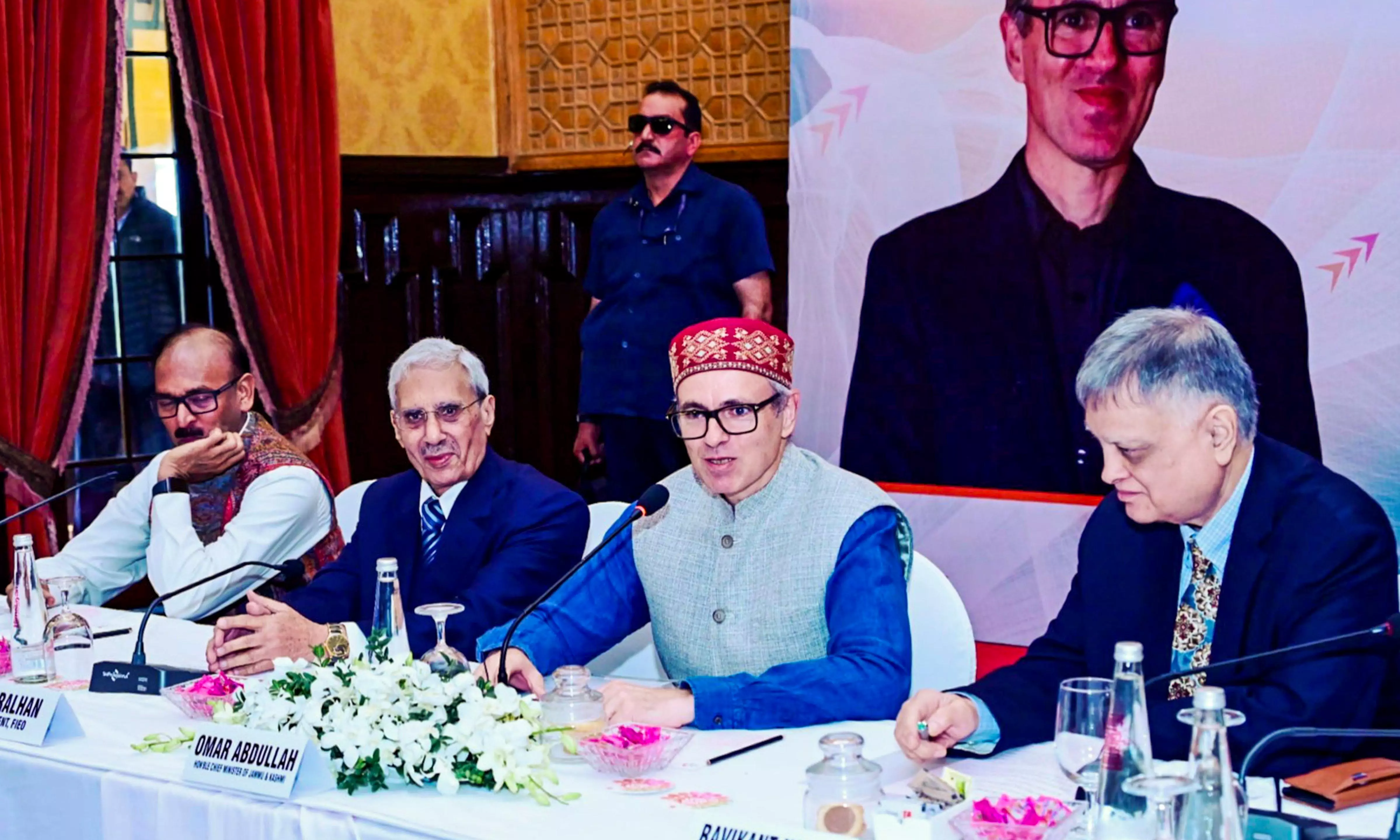
Srinagar: Acknowledging the April 22 Pahalgam terror attack severely impacted tourism in Jammu and Kashmir, Chief Minister Omar Abdullah on Tuesday said that his government remains steadfast in its commitment to reviving the sector.
He outlined his administration’s efforts to engage with both domestic and international tourism partners to attract visitors and restore the scenic region’s status as a premier tourist destination.
“Jammu and Kashmir has long been India’s crown jewel for tourism, and we are determined to uphold that legacy,” he said while speaking to reporters on the sidelines of the Federation of Indian Chambers of Commerce and Industry (FICCI) National Executive Committee meeting here.
The Chief Minister acknowledged the challenges faced by the Union Territory over the past year. “This has been a tough year for us. The Pahalgam attack, heightened tensions between neighbouring countries, and heavy rainfall in July, August, and September caused significant damage,” he said. These events have strained J&K’s finances, but Abdullah emphasised resilience in governance. “Despite these challenges, there are glimmers of hope. We are holding on to that optimism and continue to work tirelessly for the welfare of our people,” he added.
To revitalize tourism, a cornerstone of J&K’s economy, the government has launched several initiatives. “We have sent a team to Singapore, as Southeast Asia is a key market for us. Simultaneously, we are promoting Jammu and Kashmir as a top tourist destination across India in cities like Bengaluru, Kolkata, Mumbai, and Delhi,” the Chief Minister explained. He expressed confidence that these efforts would help rejuvenate the sector and restore its economic vitality.
In his address to the FICCI National Executive Committee, attended by FICCI President Harsh Vardhan Agarwal, Senior Vice President Anant Goenka, Director General Jyoti Vij, Past President Dr. Jyotsna Suri, Chairman of FICCI’s J&K Council Mushtaq A. Burza, and other council members, the Chief Minister provided a broader perspective on J&K’s economic challenges. He highlighted the setbacks caused by natural calamities and the downturn in tourism following the Pahalgam attack but maintained an optimistic outlook.
“This is not a narrative of despair but one of hope and determination. We are collaborating with all stakeholders to put the economy back on track,” he said. Abdullah emphasised the government’s focus on sustainable and competitive industrial growth in sectors such as agriculture, horticulture, handicrafts, electronics, pharmaceuticals, packaging, and cement. He also underscored the transformative potential of infrastructure projects, such as the Delhi-Amritsar-Katra Expressway and the four-laning of the Jammu-Srinagar National Highway, which are expected to enhance logistics and attract investment to the region.
Highlighting the untapped potential of the agriculture sector, the Chief Minister noted that most of J&K’s produce is exported in its raw form, with minimal local processing or value addition. “This presents significant opportunities for industrial growth on both the Jammu and Kashmir sides,” he said. Citing the dairy sector as an example, he pointed out that only 4–5 percent of the region’s dairy production is processed locally, with the majority entering the market unprocessed. He urged industry leaders to explore investment opportunities in these areas to unlock the full spectrum of business potential.
Reiterating the government’s commitment to improving the ease of doing business, Abdullah invited FICCI to provide inputs on policy reforms to make J&K more investor-friendly. “We are eager to adopt best practices from across the country, and our reforms will be shaped by feedback from the industry,” he said. He also called on the corporate sector to support J&K through Corporate Social Responsibility (CSR) initiatives, particularly in youth-focused areas such as sports infrastructure, libraries, and skill development. Specifically, he encouraged companies to partner with the government to upgrade Industrial Training Institutes (ITIs) and skill centers to create a skilled, employable local workforce.
Reflecting on the long-standing partnership between J&K and FICCI, the Chief Minister expressed hope that renewed collaboration would yield tangible results for the UT’s economic growth. “This meeting marks another step toward strengthening our cooperation and creating new opportunities for the people of Jammu and Kashmir,” he concluded.
