Odisha to Weed Out Underperforming Lecturers, Signals Accountability Push
**Strapline:** State directs colleges and universities to review faculty performance, with compulsory retirement on the table for sustained underachievement
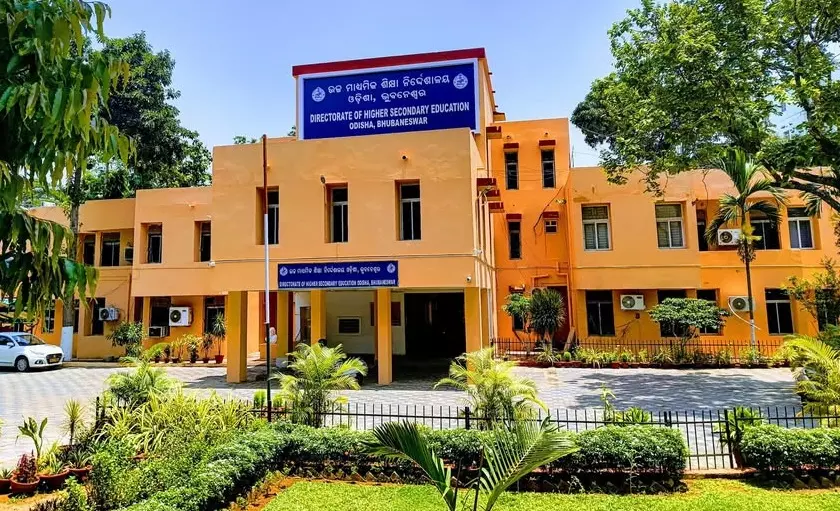
Bhubaneswar: In a significant policy signal aimed at enforcing accountability in higher education, the Odisha government has initiated a process to identify lecturers with consistently poor performance and initiate compulsory retirement proceedings where warranted. The move, driven by the higher education department, is seen in education circles as the state’s intent to improve teaching standards and academic outcomes amid growing concerns over the quality of instruction in government-aided colleges and universities.
Under the new exercise, college authorities and universities across the state have been directed to conduct a comprehensive review of the performance and conduct of lecturers working under the higher education system. Detailed reports, in a prescribed format already circulated by the department, are to be submitted by January 31. The focus of the assessment is not merely on isolated lapses but on sustained underperformance over a period of time.
According to officials, institutions have been asked to examine classroom effectiveness, academic output, work practices, and overall contribution to institutional functioning. The review will also assess whether such faculty members have become impediments to effective teaching and learning — a concern that has increasingly drawn attention from policymakers, students, and parents alike.
Once the reports are received, the department will undertake a further assessment to determine whether the identified lecturers have shown any improvement following internal reviews. Those who fail to meet the expected standards, even after being flagged, may be considered for premature or compulsory retirement under existing service rules.
The directive has been communicated to registrars of all universities and principals of colleges, with explicit instructions to ensure strict compliance and timely submission of data. While officials maintain that the process will follow due procedure, the move is likely to spark debate within academic circles, particularly around performance metrics, academic freedom, and safeguards against arbitrary action.
