Odisha Makes Electric Vehicles Mandatory for Official Use; New Procurement Rules Take Effect
The decision comes at a time of fluctuating global energy prices and growing concerns over fuel costs, exacerbated by geopolitical uncertainties in several parts of the world.
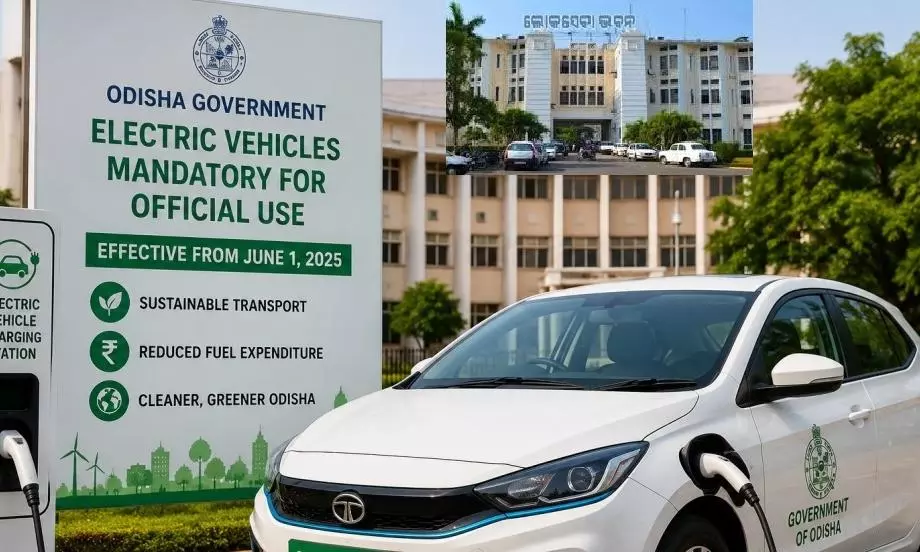
Bhubaneswar: In a major push towards clean mobility and fiscal prudence, the Odisha government has made the procurement of electric vehicles (EVs) mandatory for official use across government departments and institutions, with the new policy coming into effect from June 1.
The State Finance Department has issued comprehensive guidelines directing all government offices, public sector undertakings, universities, societies, and government-aided institutions to prioritise the purchase of electric vehicles for official purposes. The move is aimed at reducing expenditure on conventional fuels and promoting environmentally sustainable transportation.
The decision comes at a time of fluctuating global energy prices and growing concerns over fuel costs, exacerbated by geopolitical uncertainties in several parts of the world.
Under the new guidelines, constitutional authorities and senior government functionaries have been authorised to procure electric vehicles within prescribed financial limits. The Governor, Chief Minister, Chief Justice and judges of the Orissa High Court, as well as members of the Council of Ministers, will be eligible to procure EVs costing up to Rs 30 lakh, excluding taxes and statutory levies.
Senior bureaucrats, including the Chief Secretary, Development Commissioner, Agriculture Production Commissioner, Additional Chief Secretaries, Principal Secretaries, Commissioner-cum-Secretaries, and officers of equivalent rank, may purchase electric vehicles costing up to Rs 25 lakh.
District Judges, District Collectors and Superintendents of Police have been permitted to procure EVs valued up to Rs 20 lakh for official use.
The finance department has stipulated that prior approval must be obtained before any new electric vehicle is purchased. It has also made clear that replacement vehicles can be procured only after the existing vehicle completes its prescribed service life and is formally condemned or scrapped in accordance with government norms.
To streamline procurement, departments have been advised to consider electric vehicle models manufactured by major domestic automakers such as Tata Motors, Mahindra & Mahindra and Maruti Suzuki.
The guidelines further reinforce the government's “One Officer, One Vehicle” policy, aimed at curbing unnecessary expenditure and ensuring optimal utilisation of official transport resources.
Officials said the policy is expected to significantly accelerate the adoption of electric mobility within the government sector, reduce dependence on fossil fuels, lower long-term operating costs, and contribute to Odisha’s broader climate and sustainability objectives.
