Odisha College Librarian Accused of Running Human Trafficking Racket; Firearm, Cash Seized

Police rescue 55 labourers, including 14 children, during raid in Bolangir district
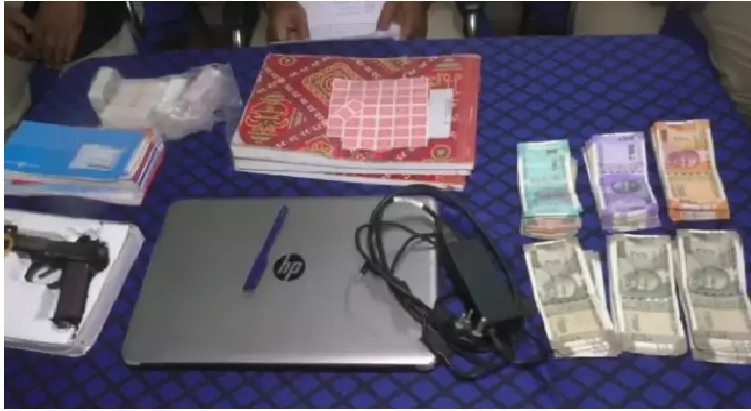
In a startling revelation, Odisha Police have unearthed a major human trafficking racket allegedly operated by a college librarian in Bolangir district. The accused, Prakash Behera, a librarian at KV College in Kantabanji, is under investigation for trafficking migrant labourers across multiple states.
Police said Behera and his brother Brajesh Behera allegedly ran a well-organised network that trafficked hundreds of labourers each year to Telangana, Andhra Pradesh, and Tamil Nadu, luring them with false promises and later forcing them into exploitative work at brick kilns and construction sites under debt bondage.
Acting on a tip-off, a joint team of Kantabanji police and district labour officials raided Behera’s residence in Ward No. 8, Kantabanji, late Friday night. The operation led to the rescue of 55 labourers, including 41 adults and 14 children, who were allegedly confined in preparation for transport.
Authorities seized Rs 1.67 lakh in cash, 15 bank passbooks, a firearm, gold jewellery, and documents suspected to contain details of financial transactions and illegal labour contracts.
The rescued individuals, many belonging to tribal and Dalit communities from Bolangir and neighbouring Nuapada districts, have been shifted to a temporary shelter. Counselling and rehabilitation efforts are being coordinated by the state labour and child welfare departments.
Both Prakash and Brajesh Behera reportedly fled before the raid. Police have registered a case under sections related to human trafficking, bonded labour, illegal confinement, and arms possession, and a manhunt is underway to nab the accused.
Preliminary investigations suggest that Prakash Behera used his position as a government employee to operate undetected, managing the racket’s finances, forged documentation, and advance payments collected from labour contractors.
Officials believe the librarian’s respectable status helped the network evade scrutiny for years, allowing large-scale exploitation of vulnerable communities.
