Odisha Celebrates Raja Festival, Honouring Earth’s Fertility And Womanhood

It is believed that Mother Earth begins her menstruation on the first day of Raja, during which no agricultural activity is undertaken: Reports
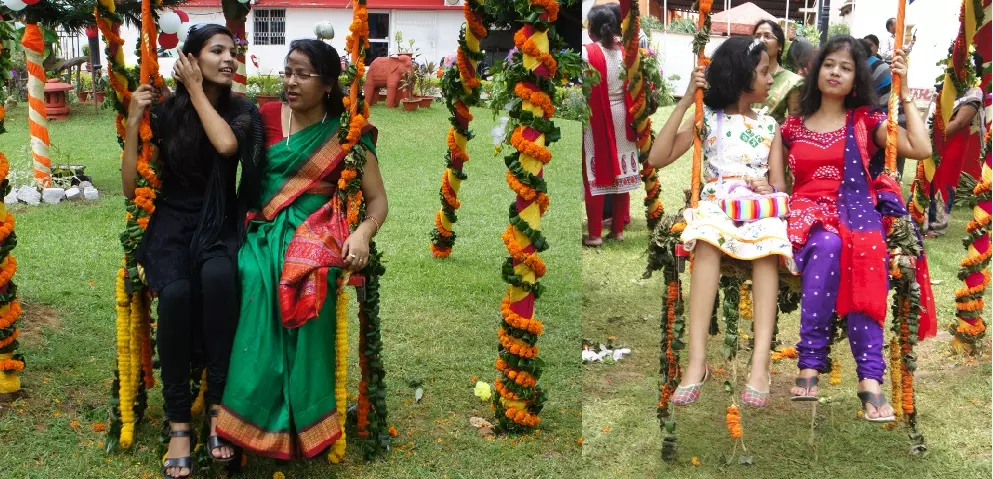
BHUBANESWAR: The onset of monsoon in Odisha each year marks not just a change in weather, but also the arrival of Raja — a unique, joyous, and deeply symbolic festival celebrating both Mother Earth’s fertility and womanhood. Observed over three days with exuberance and heartfelt customs, Raja (pronounced Raw-jaw) stands apart in India’s cultural tapestry as a festival where the earth is believed to undergo her annual menstruation, and is duly revered, rested, and honoured.
This year, the festival, which began on Saturday, arrived with perfect timing. A few welcome monsoon showers brought relief from the sweltering heat, dropping temperatures from over 40 degrees Celsius to a pleasant 30, adding to the festive cheer across cities, towns, and villages.
A festival rooted in nature’s rhythm
Unlike most Indian festivals tied to religious rituals, Raja is essentially a social celebration connected to agrarian traditions and feminine cycles. It commences on the final day of the solar month Jyestha and continues for three days, symbolising a time when the earth rests, rejuvenates, and prepares for the sowing season.
It is believed that Mother Earth begins her menstruation on the first day of Raja, during which no agricultural activity — be it tilling, digging, or construction — is undertaken. Just as a woman is cared for during her cycle, so too is the earth allowed to rest, untouched and unharmed. The fourth day marks her ceremonial bath, after which normal activity resumes with a ritual ploughing of the fields, heralding the agricultural season.
Honouring women, celebrating sisterhood
What makes Raja truly special is the way it venerates women. During these three days, women — young and old, married and unmarried — are considered to be in a symbolic menstrual state, in solidarity with Mother Earth. Traditionally, they are excused from household chores and encouraged to rest, adorn themselves in new clothes and jewellery, and indulge in leisure and festivities.
It is customary for brothers and fathers to gift women new sarees, cosmetics, and ornaments during this time. Married women often return to their parental homes, and in-laws send festive baskets brimming with fruits, sweets, betel leaves, and gifts. The mood across homes is one of affection, bonding, and spirited celebration.
Villages and towns come alive with vibrant gatherings. Girls dressed in colourful attire congregate in mango orchards, temple courtyards, and village grounds. Traditional bamboo swings, fastened from ancient banyan and mango trees, sway joyously with giggling girls. The air reverberates with folk songs celebrating love, nature, and feminine grace.
Meanwhile, young men engage in spirited games of kabaddi on sandy riverbanks and demonstrate their prowess with gymnastic feats, adding to the festive spectacle.
Culinary delights and timeless traditions
Food, as always, is an integral part of Raja. Every Odia kitchen prepares an array of delicacies. The festival is incomplete without Poda Pitha — a slow-roasted rice flour cake blended with jaggery, coconut, and dry fruits, whose smoky aroma fills every home. Sweet betel (Mitha Paan) is exchanged as a token of love and camaraderie.
While vegetarian and non-vegetarian dishes alike adorn the dining tables, families gather for hearty meals, relishing dishes prepared by the male members of the household, as the women revel in their well-deserved holiday from kitchen duties.
A festival beyond religion
Perhaps the most remarkable aspect of Raja is its inclusivity. People from diverse religious backgrounds participate with equal enthusiasm, reinforcing Odisha’s age-old tradition of social harmony and respect for nature.
As the fourth day arrives, and the earth is considered ritually cleansed, farmers ceremonially plough the fields, marking the return of life to the soil and the promise of an abundant harvest.
In celebrating Raja, Odisha not only honours the cycles of nature and womanhood but also upholds a timeless ethos of empathy, rest, and renewal — offering a message of ecological wisdom and gender respect that feels especially relevant in today’s world.
President Droupadi Murmu, Governor Hari Babu Kambhampati, Chief Minister Mohan Charan Majhi, and several other dignitaries extended their heartfelt greetings to the people of Odisha on the joyous occasion of Raja.
