New Delhi: The government has no plans to raise petrol and diesel prices, a senior official said on Tuesday, dismissing speculation of a hike after polling in West Bengal ends on April 29. Retail petrol and diesel prices have remained unchanged for a record fourth year, even as conflict in West Asia has pushed crude oil costs up more than 50 per cent over the past two months.
"There is no proposal to increase petrol and diesel prices," Sujata Sharma, Joint Secretary in the Ministry of Petroleum and Natural Gas, said at a news briefing on the fallout of developments in West Asia. She was responding to a question on whether retail fuel prices would be raised after polling in West Bengal concludes on Wednesday. She dismissed speculation of an imminent price rise that had triggered panic buying in parts of states such as Andhra Pradesh.
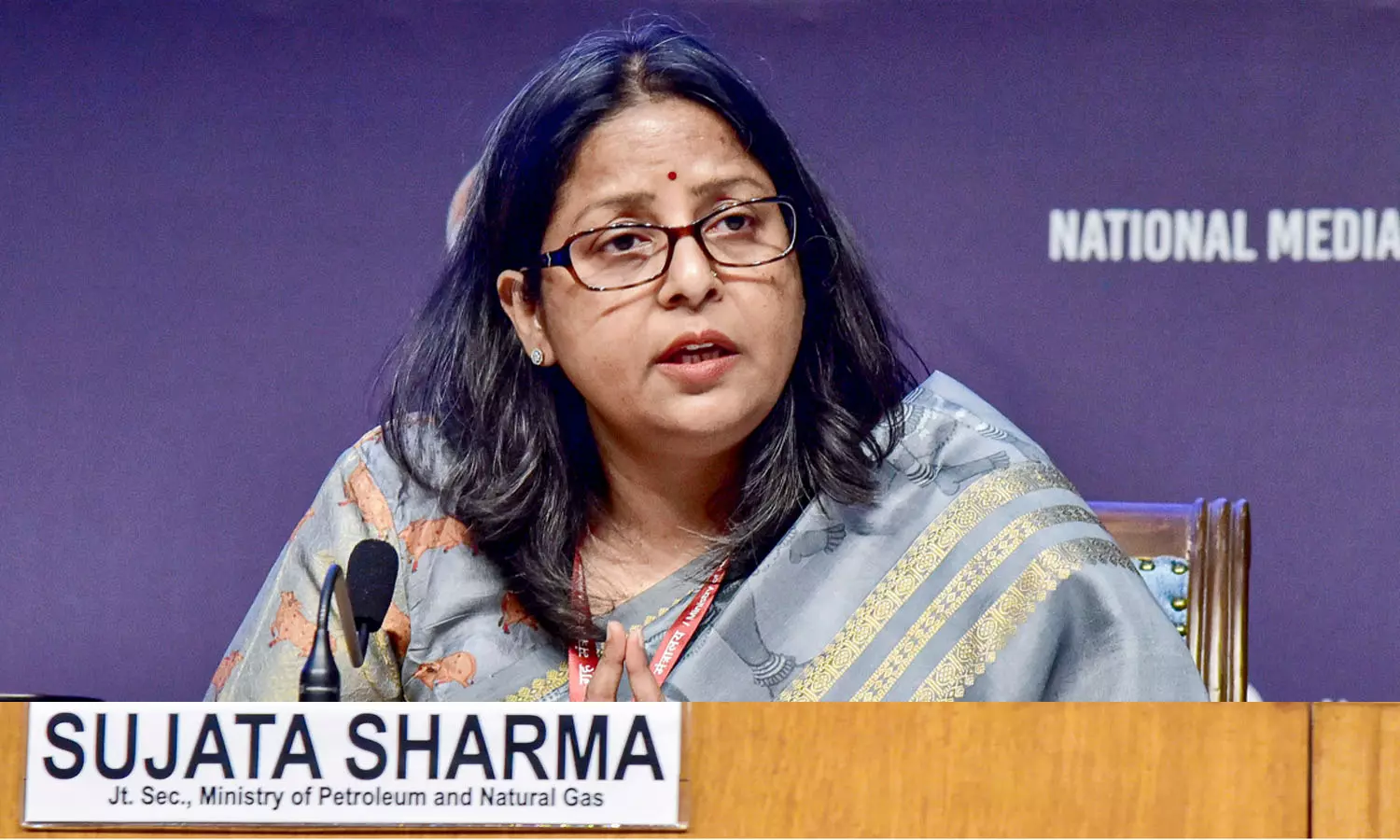
"We have seen panic buying in some places. We are in continuous contact with state governments in all these places. All retail outlets are being monitored and supplies are being prioritised (at petrol pumps witnessing increased buying) so that stock availability is ensured and there are no dry-outs," she said.
The widening gap between input costs and pump prices has left state-run fuel retailers incurring heavy losses - with some estimates pegging daily loss at about Rs 2,400 crore - fuelling speculation of an imminent price hike after politically charged assembly elections in Tamil Nadu, West Bengal, Assam, Kerala, and Puducherry conclude on Wednesday.
According to the Petroleum Ministry, some outlets saw demand rise by as much as 30-33 per cent. She added that the country has adequate inventories of all fuels - from petrol and diesel to cooking gas LPG and aviation turbine fuel - to meet demand.
"We have enough supplies of LPG, petrol and diesel. Prices are stable and there has been no increase in rates," she said. "I want to urge everyone to please don't believe in rumours. Avoid panic buying and rely on official sources for information."
The clarification comes despite mounting financial pressure on state-run fuel retailers, which officials say are selling petrol and diesel below market rates and incurring significant losses.
Analysts had earlier flagged the possibility of price increases of Rs 25-28 per litre after elections due to rising global crude oil costs and widening gaps between international and domestic fuel prices.
International oil prices spiked after the US and Israel attacked Iran on February 28, and Tehran's sweeping retaliation that effectively shut the Strait of Hormuz -- one of the world's most critical energy arteries, linking the Persian Gulf to global markets and handling roughly a fifth of global oil trade along with significant volumes of liquefied natural gas.
Last week, Sharma had stated that state-owned fuel retailers were incurring losses of about Rs 20 per litre on petrol and roughly Rs 100 per litre on diesel as pump prices remained frozen for nearly four years despite a surge in global oil prices. Yet there is no plan to increase prices, she had said.
Crude, which was USD 70 per barrel last year, averaged over USD 114 this month. Retail petrol and diesel prices have remained frozen since early April 2022 -- a period during which oil prices rose in some months and fell in other times. When prices fell, state-owned oil firms made handsome profits, which they used to set off losses when rates rose.