Melanistic Leopards Thrive In Odisha’s Nayagarh Forests

The growing presence of melanistic leopards in Nayagarh, according to wildlife experts, shows the importance of contiguous forest patches outside core reserves: Reports
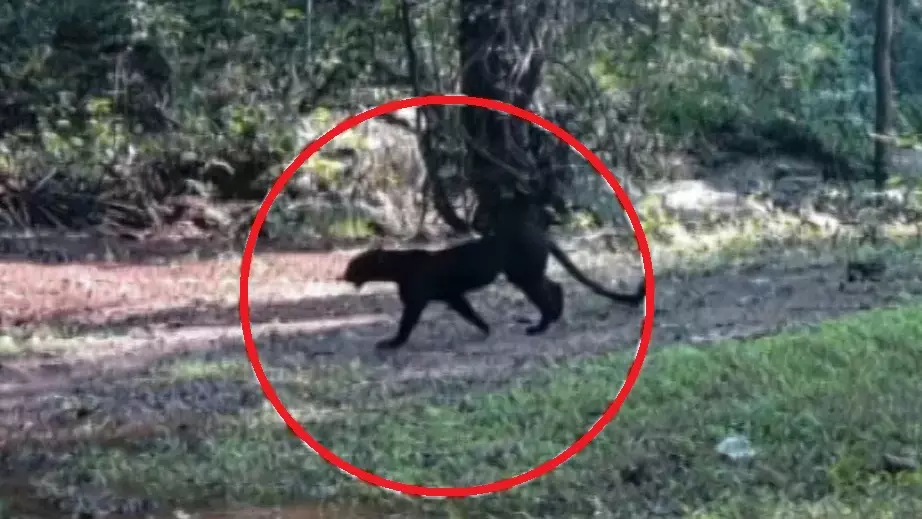
BHUBANESWAR: Repeated sightings of melanistic leopards in the Dasapalla and Gania ranges of Odisha’s Nayagarh Forest Division point to a stable and possibly expanding big-cat population, forest officials said on Friday. The rare black-coated leopards—an outcome of genetic melanism—have been captured multiple times on camera traps, including footage of adults moving with cubs, indicating successful breeding in the landscape.
Based on recent camera-trap images and field assessments, officials estimate the presence of around six to seven melanistic leopards in the division, a notable rise from earlier counts of one or two individuals. The state forest department has intensified round-the-clock patrolling and monitoring, deploying an extensive network of camera traps to track movement patterns and mitigate potential threats.
Confirming the development, Nayagarh Divisional Forest Officer (DFO) Debarchan Behera said the department was maintaining heightened vigilance.
“The tiger census is currently underway. The exact number will be known after the reports are compiled. However, CCTV and camera-trap tracking suggests there are around six to seven black leopards in these ranges. Our teams are patrolling day and night to ensure protection,” he said.
Wildlife experts note that Odisha has emerged as a significant habitat for melanistic big cats, with the Similipal Tiger Reserve (STR) in Mayurbhanj district globally recognised for its population of melanistic tigers. Similar ecological factors—dense sal forests, undulating terrain, ample prey base and relatively low human disturbance—are believed to support melanism among leopards in forest divisions such as Nayagarh.
At Similipal, long-term camera-trap monitoring and habitat protection under the National Tiger Conservation Authority (NTCA) framework have yielded encouraging results for large carnivores. Officials say lessons from STR—community engagement, corridor protection and scientific monitoring—are being applied across Odisha’s forest landscapes to strengthen conservation outcomes beyond protected areas.
The growing presence of melanistic leopards in Nayagarh, according to wildlife experts, shows the importance of contiguous forest patches outside core reserves. Conservationists argue that sustaining prey populations, securing wildlife corridors linking divisions to larger habitats like Similipal, and minimising
