Maharashtra To Increase Administrative Departments From 33 To 45

An official from the Chief Minister's Office (CMO) said the move is expected to expedite decision-making, facilitate more effective implementation of government schemes and strengthen coordination with field-level administrative machinery.
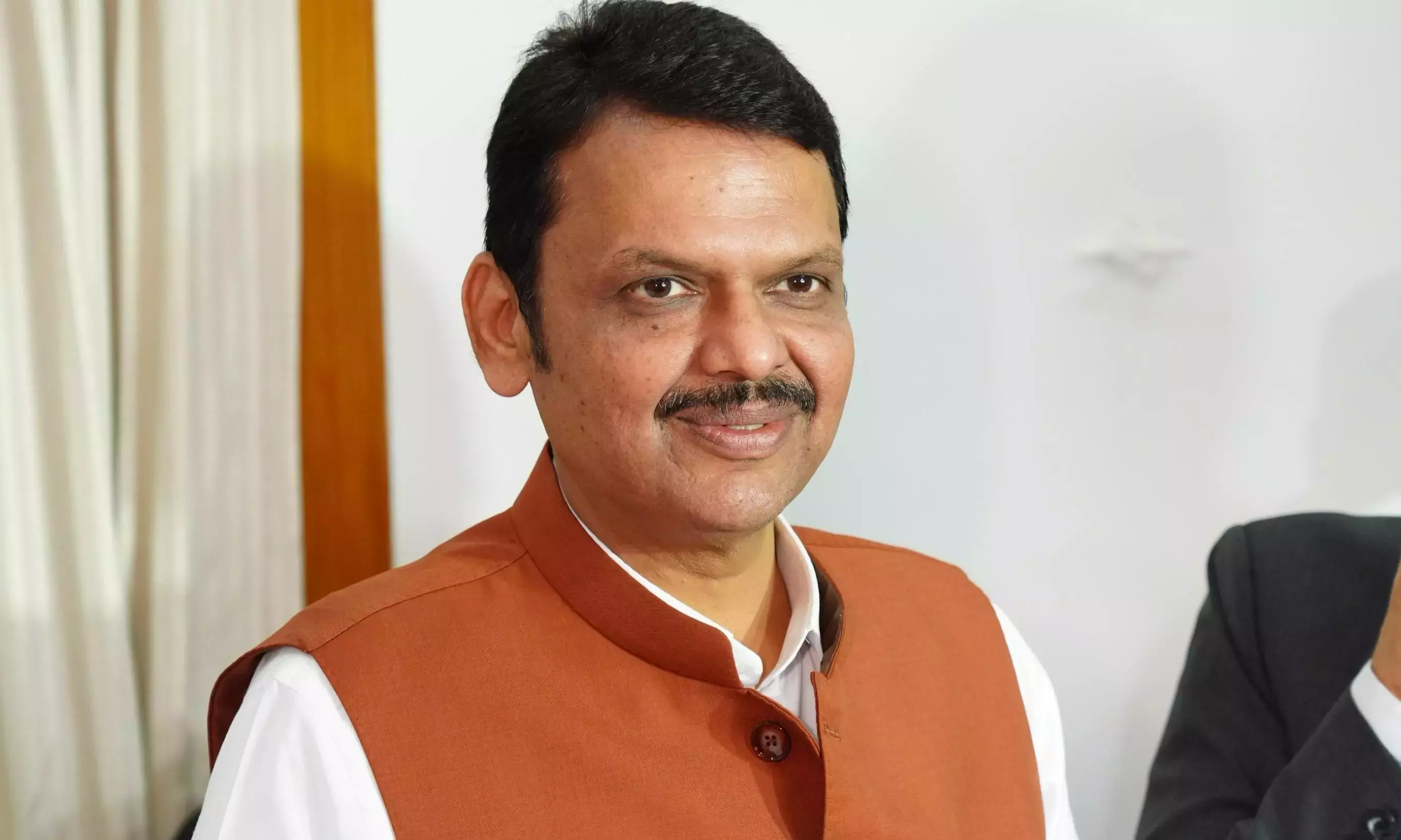
Mumbai: The Maharashtra Cabinet on Tuesday approved a major restructuring of the State's ministerial administrative framework aimed at improving efficiency, coordination and the speed of governance. As part of the reform, the number of administrative departments in the State Secretariat will increase from 33 to 45.
Under the decision, several departments that currently house multiple sub-departments will be reorganised into independent departments with dedicated administrative control. Each newly created department will have separate establishment, treasury and records management arrangements. However, no new posts, however, will be created as part of the restructuring exercise.
The decision was taken at a Cabinet meeting chaired by Chief Minister Devendra Fadnavis at Mantralaya. The restructuring is in line with the government’s emphasis on the principles of Ease of Doing Business and Ease of Living, with the objective of improving administrative efficiency and ensuring smoother functioning of the Secretariat.
An official from the Chief Minister's Office (CMO) said the move is expected to expedite decision-making, facilitate more effective implementation of government schemes and strengthen coordination with field-level administrative machinery.
V. Radha, Additional Chief Secretary, General Administration Department (GAD), said the exercise forms part of the State's broader governance reforms. “The restructuring has been undertaken comprehensively so that the entire Mantralaya can function more efficiently. It will enable each department to improve its operational efficiency. Every department will have dedicated manpower, which will help ensure systematic functioning. The move will also enhance transparency in administration, strengthen accountability of departments and officials, and make it easier to assess the performance of individual departments,” Ms. Radha said.
Officials said several existing departments comprise two or three sub-departments, while establishment and administrative control remain vested in a single departmental secretary. This, they said, often creates difficulties in manpower allocation and deployment.
“Many of these sub-departments handle distinct and independent subjects and are already overseen by separate secretaries. The reorganisation of departments, along with the subjects and functional desks under them, is intended to streamline operations and improve administrative efficiency,” an official said.
Existing sanctioned and vacant posts will be redistributed proportionately among the newly formed departments.
According to the Cabinet decision, the Agriculture and Animal Husbandry Department will be split into two separate departments. The Cooperation, Marketing and Textiles Department will be divided into three independent departments. A separate Protocol Department will be carved out of the General Administration Department, while the Home Department will give rise to an independent Transport Department.
The Industries, Energy, Labour and Mining portfolio will be reorganised into separate departments. The Revenue and Forest Department will be divided into three departments — Revenue, Relief and Rehabilitation, and Forest.
