Maharashtra Cabinet Approves Plan for Drug-Free State by 2029

Beginning with the 2027-28 academic year, drug-awareness lessons will be introduced from Class V to educate students about the dangers of substance abuse
MUMBAI: The Maharashtra Cabinet on Tuesday approved a comprehensive policy aimed at making the state free of narcotic drugs by 2029. The initiative adopts a whole-of-government approach, involving 20 departments from the village to the state level to curb drug production, trafficking and consumption.
Beginning with the 2027-28 academic year, drug-awareness lessons will be introduced from Class V to educate students about the dangers of substance abuse. The Cabinet also mandated healthy and balanced food menus at government and semi-government meetings, events and canteens.
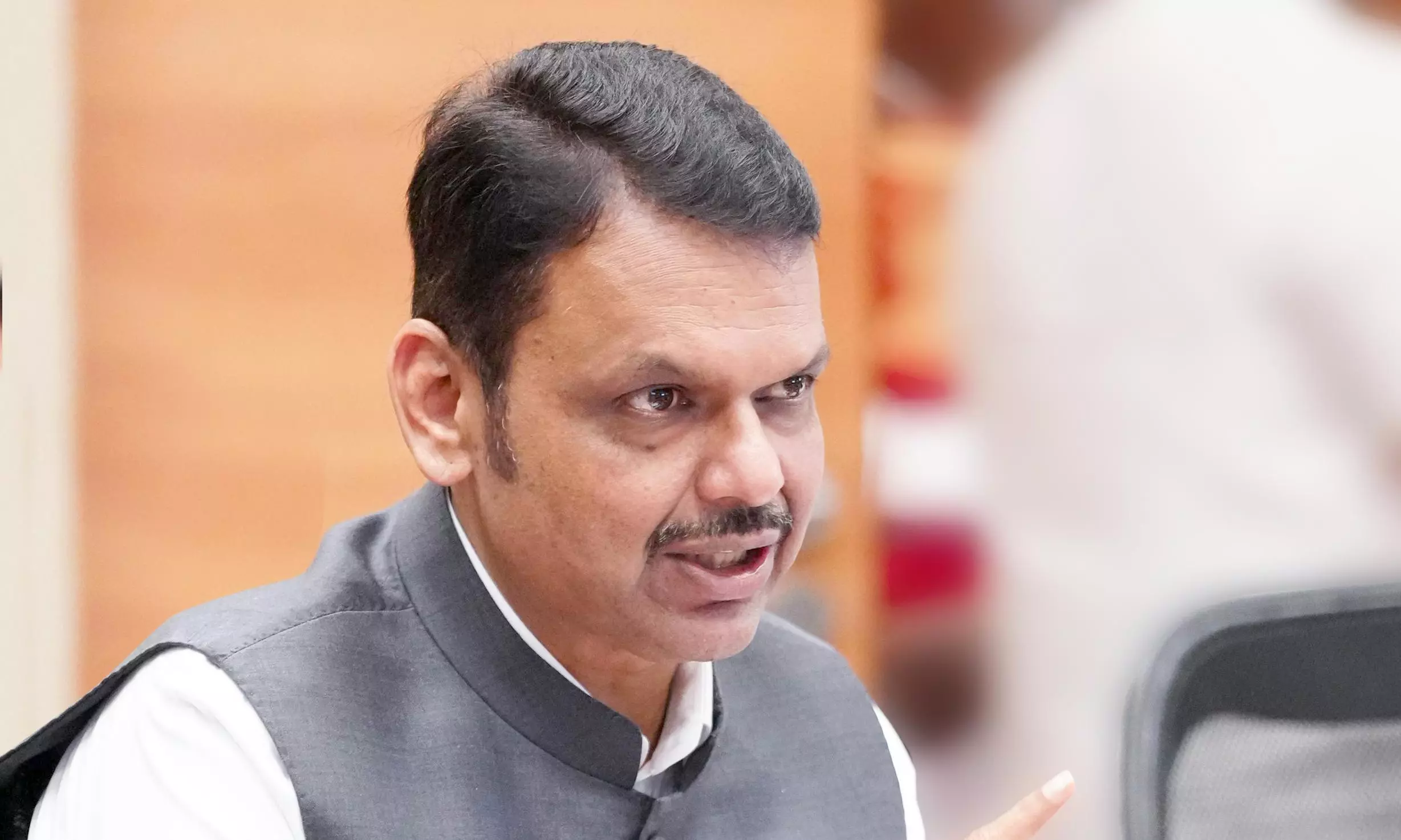
The decisions were taken at a Cabinet meeting chaired by Chief Minister Devendra Fadnavis at Mantralaya.
During the meeting, Manisha Mhaiskar, Additional Chief Secretary (ACS) of the Home Department, gave a presentation on the "Whole-of-Government Approach for a Drug-Free Maharashtra". The presentation was appreciated by Cabinet ministers, including the Chief Minister.
The ACS said the strategy is based on four pillars — effective enforcement, a drastic reduction in drug supply, demand reduction through awareness, and de-addiction, treatment and rehabilitation.
The Home Department will coordinate the multi-departmental campaign, which will include action against drug trafficking, illegal cultivation and the illicit supply of precursor chemicals.
"We are planning to establish drug-free zones within a 500-metre radius of educational institutions and introduce drug-awareness lessons in the school curriculum from Class V. Colleges and universities will also be encouraged to develop drug-free campuses," Ms Mhaiskar told this newspaper.
She added that the government plans to launch a district-level anti-drug campaign from October 2, 2026, to May 2027. Awareness, she said, will play a key role in eradicating the drug menace.
Officials said there are also plans to establish de-addiction and rehabilitation facilities at the taluka, district and municipal levels. An exclusive Centre of Excellence for de-addiction and rehabilitation has been proposed for Mumbai.
The government will develop a performance matrix for District NCORD committees, with the best-performing drug-free district to be awarded on June 26, 2027.
The action plan also includes exclusive NDPS courts, special public prosecutors, AI-enabled analysis, darknet monitoring and an integrated NDPS dashboard to strengthen enforcement against drug networks.
According to officials, the Home Department has also drawn up a series of time-bound measures under its proposed comprehensive anti-drug strategy, including the creation of a mechanism for intelligence-sharing among agencies to curb the manufacture and trafficking of synthetic narcotics.
"Under the action plan, the Revenue, Forest and Agriculture departments will continuously take action under Sections 8 and 47 of the Narcotic Drugs and Psychotropic Substances (NDPS) Act, 1985, to prevent illegal cultivation and production of narcotic substances," said a senior official who was present at the Cabinet meeting.
The Home Department has been asked to develop, by September 15, 2026, a coordinated mechanism for the exchange of confidential information among the Anti-Narcotics Task Force (ANTF), Food and Drug Administration (FDA), Maharashtra Industrial Development Corporation (MIDC) and Maharashtra Pollution Control Board (MPCB).
The mechanism is aimed at preventing the manufacture, distribution, use, storage and transportation of synthetic and semi-synthetic narcotic substances, the official said.
The School Education Department will introduce at least one drug-awareness lesson in the curriculum from Class V, beginning with the 2027-28 academic year.
Meanwhile, the Maharashtra Cabinet also decided to make healthy snacks and balanced menus mandatory at government and semi-government meetings, programmes, training sessions and canteens.
Officials said the Cabinet also emphasised promoting nutritious diets and healthy lifestyles among government employees.
According to the decision, menus will prioritise seasonal fruits, boiled eggs and pulses, poha, idli-sambar, millet-based foods, vegetables, salads and buttermilk, while reducing oily and highly processed foods.
New catering contracts will be required to include healthy menus. Institutions will also create awareness about nutritious eating among employees, with the ICMR-NIN (National Institute of Nutrition) guidelines serving as a reference for preparing balanced menus, officials said.
