Madhya Pradesh: Kuno Develops Special Mechanism For Cheetah Den Site Monitoring To Improve Cub Survival

The staff has to stay as far as they can from the den itself: Reports
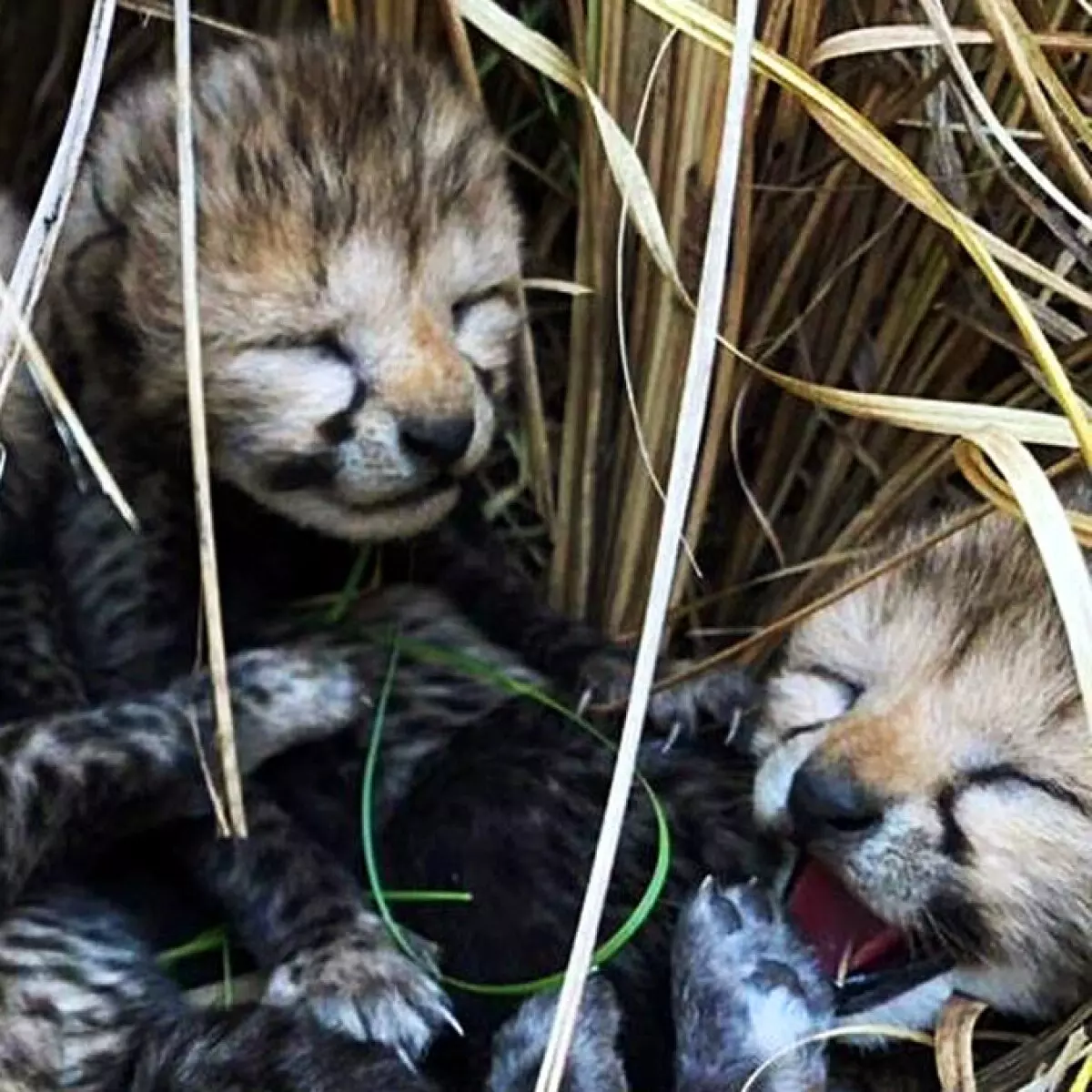
BHOPAL: Conservationists in the Kuno National Park in Madhya Pradesh have developed a special mechanism for cheetah den site monitoring to improve cub survival.
The monitoring mechanism developed in Kuno strictly balances intensive surveillance with non-invasive distancing, a senior forest officer told this newspaper on Sunday.
The mechanism is a departure from the normal practice adopted in cheetah habitats of Africa seeking to leave the cheetah den sites alone without any kind of intervention, contributing to cub mortalities in many cases.
While Kuno utilizes a dedicated team of over 100 forest guards and animal trackers to monitor newborns, the protocol explicitly dictates that ‘The staff has to stay as far as they can from the den itself’.
To bypass physical proximity, the Kuno National Park uses 24/7 CCTV surveillance cameras, real-time satellite data from mother’s satellite collars, and drone monitoring to assess the family’s health without human intervention.
The cheetah mother usually stays with her cubs after their birth for three-four days in the den and moves out of it during the day time after this period to hunt a prey and return.
The absence of the cheetah mother from the den, ascertained through the surveillance systems, provides an opportunity for the team to monitor the health of the newborns from a safe distance, the forest officer said.
The mother changes den sites frequently to escape the predators.
The special mechanism was developed after three of four cheetah cubs, the first newborns of Kuno, died due to intense heat.
“Traditionally, biologists and wildlife managers have often remained cautious approaching or working closely on active den sites. The concern is understandable: excessive disturbance could alter maternal behaviour, cause the mother to shift the den, in extreme cases, lead to abandonment”, Project Cheetah, Director, Uttam Kumar Sharma told this newspaper.
He added that ‘At Kuno, we decided to explore whether active den sites could be monitored closely without disturbing the mother or compromising the safety of the cubs. Wherever and whenever conditions permitted, we undertook close monitoring. And we did it successfully”.
He indicated that Kuno is coming out with a manual on cheetah den site monitoring.
No wonder, Kuno National Park’s overall cheetah cub survival rate stands amazingly at 61 percent, whereas roughly 10 percent to 40 percent of wild cheetah cubs reach adulthood in natural African habitat.
Kuno now houses 49 cheetahs, including 15 males, an equal number of females, and 19 cubs.
Three cheetahs, two males and one female, were earlier shifted from Kuno to the Gandhi Sagar Wildlife Sanctuary in Madhya Pradesh around one and half years ago.
