JD(U) MP Sanjay Kumar Jha urged the Centre to let the Ganga Water Treaty with Bangladesh expire on December 12 and negotiate a fresh pact.
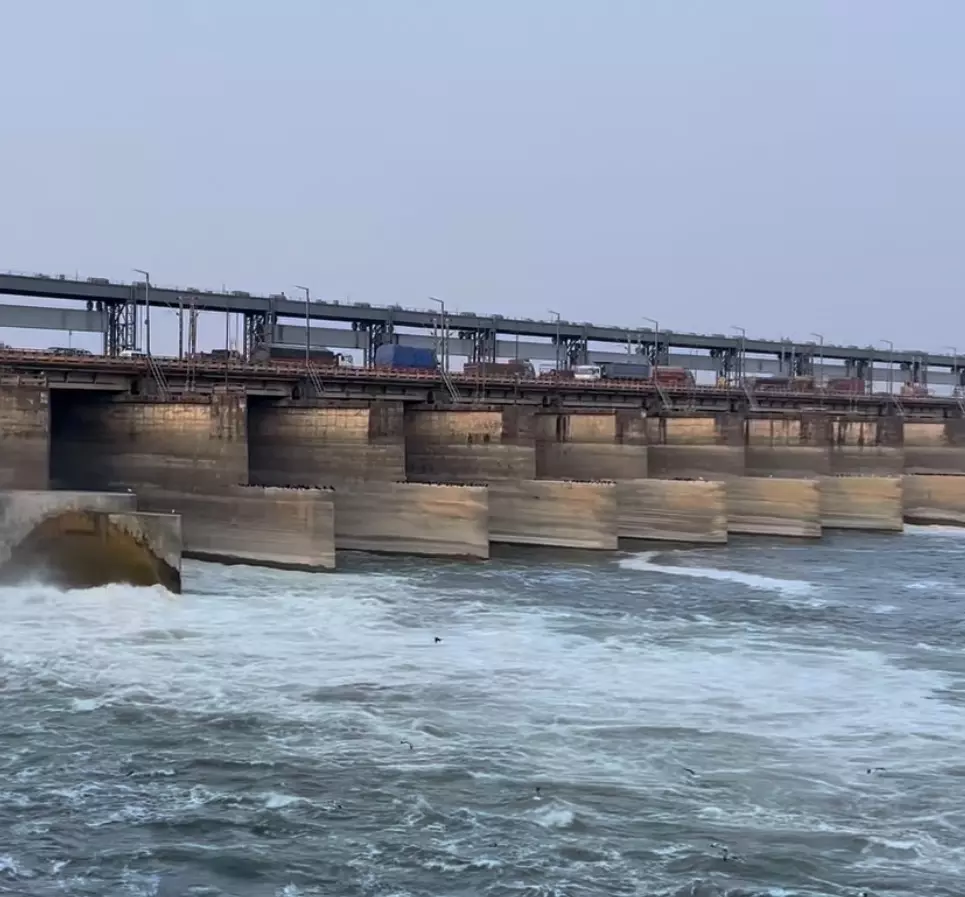
JD(U) Rajya Sabha member Sanjay Kumar Jha has urged the Centre not to renew the Ganga Water Treaty with Bangladesh in its present form, alleging that it has caused a serious ecological and economic crisis in Bihar.
Jha said India should allow the treaty to lapse on December 12 and negotiate a new agreement based on a scientific assessment of the water requirements of Bihar and other Ganga basin states up to 2050. He also demanded that Bihar be given a place at the negotiating table.
His remarks came after Bangladesh water resources minister Shahiduddin Chowdhury Anee called for aggressive bargaining by Dhaka during negotiations over the treaty.
The JD(U) is an ally of the NDA at the Centre and in Bihar.
The Ganga Water Treaty, also known as the Farakka Treaty, was signed in 1996 by then Indian prime minister H.D. Deve Gowda and then Bangladesh prime minister Sheikh Hasina. It is due to expire on December 12, 2026.
India and Bangladesh are discussing its renewal, taking into account their water requirements and availability. Bangladesh is reportedly seeking the restoration of a guarantee clause similar to the safeguard provision contained in the original 1977 agreement.
In an article published in an English daily, Jha said three decades of data showed that the 1996 treaty had imposed serious ecological and economic costs on Bihar.
“With the treaty expiring on December 12, 2026, the JD(U) position is clear: it must not be renewed in its present form,” he wrote.
“India should allow it to lapse and negotiate afresh based on the scientifically assessed water needs of Bihar and other basin states up to 2050, with Bihar firmly at the decision-making table.”
Jha said the Ganga did not carry enough water between March and May to meet Bihar’s requirements. He said reservoir storage had barely reached 35 per cent of capacity over the past five years.
“The treaty has served India poorly. The country accepted a 30-year lock-in with no meaningful exit and no reciprocal guarantee, nothing on the Teesta and nothing on the wider basin,” he wrote.
He argued that the 1996 formula was based on flow records compiled before Himalayan glacial retreat and the decline in the predictability of dry-season flows.
Jha said opposition to the treaty’s renewal did not signify hostility towards Bangladesh or an abandonment of India’s commitment to sharing water.
“A treaty that floods one state in July and parches it in April, binds the Union to arithmetic older than most citizens and purchases no reciprocity cannot be renewed by default,” he said. “It should be allowed to expire. India can then negotiate again from knowledge and strength, and this time with Bihar in the room.”