Kashmir’s Winter Revival: Tourism Rebounds After Tragedy

The dazzling white landscapes drew thousands of visitors eager to immerse themselves in the magic of the season, turning the Valley into a hub of activity and celebration. Hotels in Gulmarg reported near‑full occupancy as tourists thronged the slopes for skiing, snowboarding, and other winter sports.
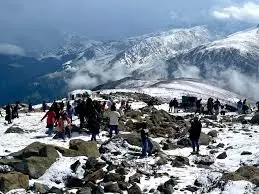
SRINAGAR: The popular tourist resorts of Gulmarg, Sonamarg, and Pahalgam have sprung to life once again, following a spell of fresh snow that blanketed parts of the Kashmir Valley’s upper reaches in the days leading up to the New Year. A timely western disturbance brought heavy snowfall to the higher reaches on January 1, transforming the scenic region into a pristine winter wonderland.
The dazzling white landscapes drew thousands of visitors eager to immerse themselves in the magic of the season, turning the Valley into a hub of activity and celebration. Hotels in Gulmarg reported near‑full occupancy as tourists thronged the slopes for skiing, snowboarding, and other winter sports. The same enthusiasm echoed across Sonamarg and Pahalgam, where steady footfall and a renewed interest in snow‑based recreation infused fresh energy into the local economy. Events such as the Gulmarg Winter Carnival added to the festive atmosphere, offering cultural performances, adventure activities, and vibrant programs that showcased the region’s rich heritage alongside its natural beauty.
Yet this revival comes against the backdrop of a painful chapter in Jammu and Kashmir’s tourism story. On April 22, 2025, militants carried out a brutal attack in Pahalgam’s Baisaran Valley, targeting a group of tourists in one of the region’s most picturesque meadows. The assault claimed the lives of 26 civilians—25 tourists, mostly Hindus, along with a local pony operator who tried valiantly to intervene. It was one of the deadliest attacks on civilians in the region in recent years, and its impact was immediate and devastating.
Overnight, hotel bookings were cancelled en masse, occupancy rates plummeted, and visitor footfall collapsed. Tourist arrivals fell by more than half compared to the previous year during many periods, dealing a severe blow to an economy heavily dependent on hospitality. Traders, hoteliers, ponywallahs, and shikara operators—who had only recently begun to enjoy record inflows—found themselves facing unprecedented hardship as the Valley’s fragile image of normalcy was shattered.
Nearly nine months later, however, the Valley has begun to show signs of resilience. As fresh snowfall blanketed parts of Kashmir in late December and early January, the mood shifted dramatically. Gulmarg, Sonamarg, and Pahalgam once again witnessed a surge in tourist arrivals--visitors from across the country and abroad flocked to the resorts to enjoy skiing, sledging, Gondola rides, and the breathtaking winter scenery. The Gulmarg Winter Carnival, with its blend of cultural showcases and adventure sports, further boosted momentum, drawing large crowds and reaffirming the Valley’s reputation as a premier winter destination.
For local stakeholders who had endured months of uncertainty, this resurgence has brought cautious optimism. The timely snowfall has not only enhanced the Valley’s natural allure but also restored confidence among travelers, breathing new life into businesses and livelihoods that had been left reeling after the tragedy.
While the scars of the past remain, the seasonal revival underscores Kashmir’s enduring appeal and its remarkable ability to rebound from adversity. The Valley’s snow‑clad slopes and meadows continue to captivate visitors, and the renewed vibrancy of its tourism sector offers hope for a promising winter season in 2026. “In the face of hardship, the resilience of its people and the timeless beauty of its landscapes remind the world why Kashmir remains one of the most enchanting destinations for travelers seeking both adventure and serenity,” said a tourism operator Fida Hassan.
However, the capital city of Srinagar and several other major towns continue to wait for a significant snowfall. The absence of a heavy winter spell has left residents disheartened, as the familiar charm of snow‑covered streets, rooftops, and gardens remains elusive. For many, the lack of snow has dampened seasonal expectations, depriving the city of its usual festive aura and the picturesque scenes that define Kashmir’s winter identity. The contrast between the bustling resorts and the snow‑starved plains has become a talking point among locals, who long for the transformative beauty and cultural rhythm that only a true snowfall can bring. End it
