Kashmiri Parents Urge Government for Immediate Evacuation of Students from Iran

Kashmiri parents urge Centre and Indian Embassy in Tehran to ensure immediate evacuation and restore communication as security situation worsens in Iran.
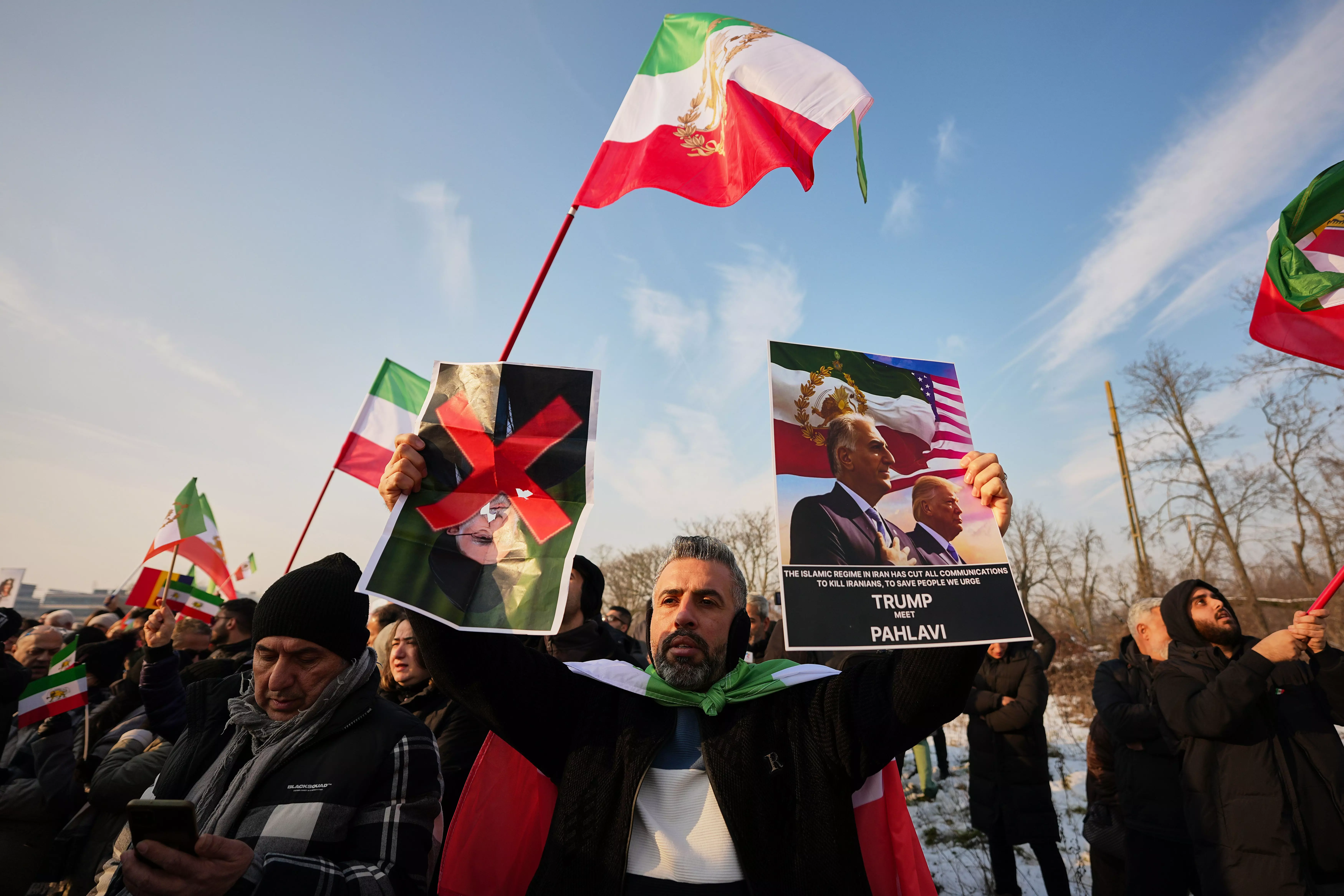
SRINAGAR: Parents of Kashmiri students studying in Iran have issued an urgent and emotional appeal to the Government of India and the Indian Embassy in Tehran, seeking immediate evacuation measures as the situation in the country continues to deteriorate rapidly.
Their concerns intensified after India formally advised all its nationals in Iran to leave the country without delay, citing escalating security risks, widespread anti‑government protests, communication blackouts, and growing fears of possible US military action. The advisory covers students, pilgrims, businesspersons, and tourists — a significant number of whom hail from Jammu and Kashmir.
In Srinagar, a group of distressed parents gathered at the Mushtaq Press Enclave, a media hub, to voice their anxiety over the suspension of internet services in several parts of Iran. They said the communication blackout has deepened uncertainty and revived painful memories of previous evacuation crises, during which many Kashmiri families struggled to stay in touch with their children. The sudden loss of connectivity, they said, has left them fearing the worst.
Syed Muzzamil Qadri, one of the parents, told local news agency KNC that the abrupt communication breakdown has pushed families into a state of helplessness. According to him, the snapping of internet services without warning feels like a repeat of last year’s ordeal, when similar unrest forced emergency evacuations. He urged the Indian Embassy and the Government of India to intervene swiftly and arrange the safe return of students, just as they had done during earlier crises.
Another parent, Muhammad Yaseen, echoed these concerns, saying that the inability of students to contact their families regularly has created widespread panic in Kashmir. He described the uncertainty as unbearable and appealed to authorities to ensure the safety of the students through timely evacuation before the situation worsens further. Many parents said they spend sleepless nights waiting for even the briefest message from their children, who are themselves struggling with restricted movement and limited access to communication.
Collectively, the parents urged the government to prioritise the safety of Indian students in Iran, restore reliable communication channels, and issue clear advisories to prevent misinformation and panic. They said the ongoing disturbances have caused severe emotional distress among families, who fear for the well‑being of their children and are desperately seeking reassurance and concrete action.
There are 2,000 to 3,000 Indian students currently studying in Iran, with most enrolled in medical programmes at institutions such as Tehran University of Medical Sciences and Shahid Beheshti University. More recent assessments — particularly those emerging during the current unrest — suggest figures ranging from nearly 2,000 to as high as 3,000, with approximately 2,000 of them pursuing MBBS degrees.
A significant proportion of these students — often described as a majority — are from J&K and Ladakh. Many Kashmiri families choose Iran for medical education due to its affordability, cultural and religious familiarity, and the relative ease of adapting to Persian because of its linguistic proximity to Urdu. Estimates for J&K students specifically range from 1,500 as per Jammu and Kashmir Students Association to 2,000 as mentioned in some reports. Some reports suggest that nearly 70 percent Indian students in certain universities are from Kashmir Valley and Kargil, a predominantly Shia region.
Iran has emerged as a preferred destination for Kashmiri students in recent years, surpassing countries like Bangladesh, with annual admissions from J&K reportedly exceeding 300. Families often cite lower tuition costs — typically between ₹20–35 lakh for a full MBBS programme — and cultural comfort as key reasons for choosing Iran. However, these numbers fluctuate due to new admissions, graduations, geopolitical tensions, and periodic evacuations triggered by regional conflicts or domestic unrest in Iran.
