No Tsunami Threat To Indian Coast Following Russia Earthquake

The 2004 tsunami in the wake of Sumatra quake prompted Vizag’s fishing community to propitiate Sea Goddess Gangamma with the annual jatara.
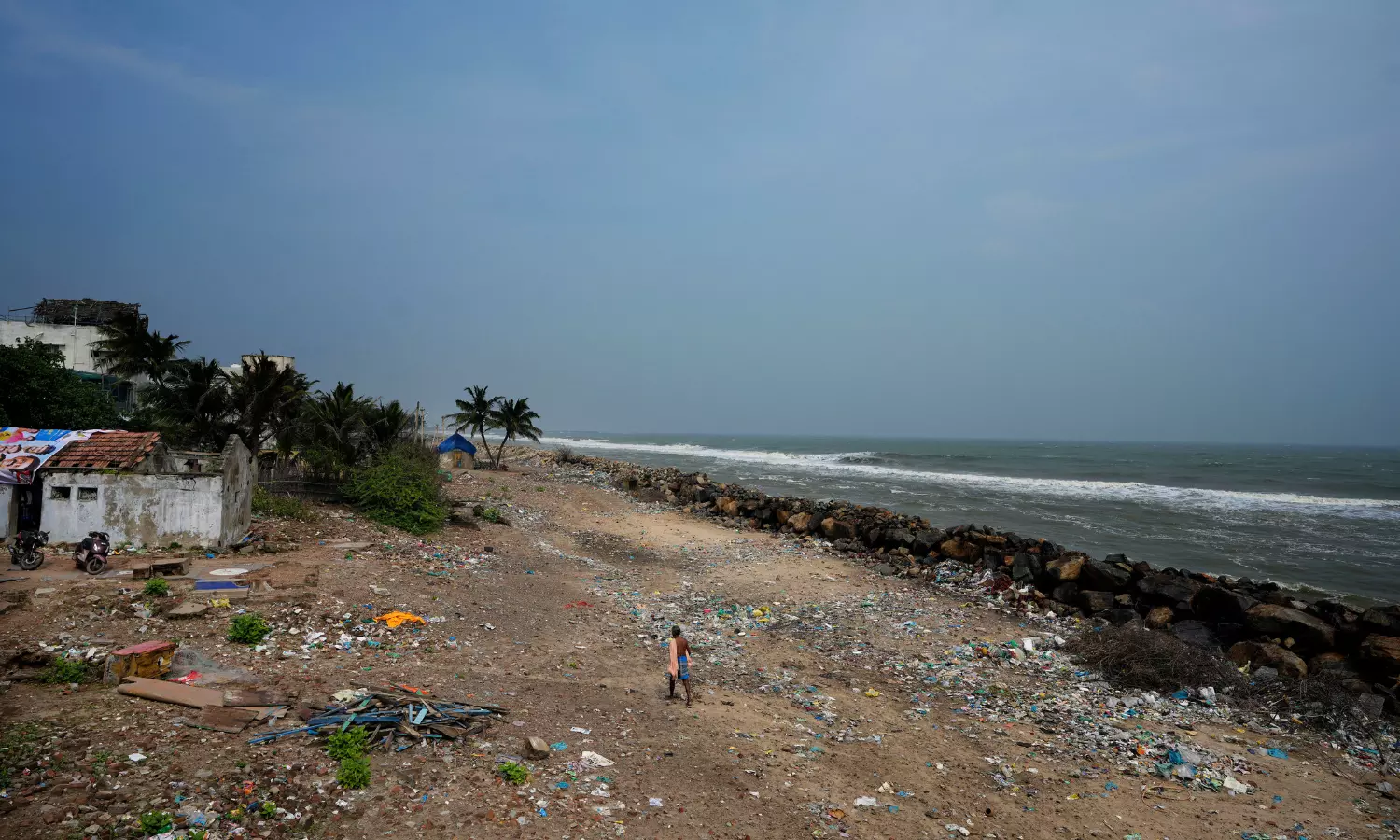
Visakhapatnam:Indian Tsunami Early Warning Centre (ITEWC) has assured that the Indian coastline will face no threat of tsunami in the wake of the powerful 8.8-magnitude earthquake struck off the East Coast of Kamchatka in Russia early Wednesday morning.
The quake has been one of the world's strongest earthquakes, generating an 8.8-magnitude tremor that triggered small tsunami waves in Japan and Alaska. Tsunami warnings have also been issued across Hawaii, North and Central America, and Pacific islands extending south toward New Zealand.
The bulletin from ITEWC said on Wednesday morning: "Based on pre-run model scenarios, there is no threat to India." The centre maintained that no further bulletins will be released unless new information becomes available.
The announcement brought back memories of December 26, 2004, when south India experienced devastation following a tsunami in the Indian Ocean. While Visakhapatnam got spared from the worst impacts, that tsunami has left lasting marks on the port city.
During the 2004 disaster, tsunami waves reached Visakhapatnam around 9:05 a.m., approximately two hours after the magnitude 9.1 earthquake struck Sumatra. The port's tide gauge recorded waves of about 1.4 metres, though eyewitness accounts reported splashes reaching 2.5 meters in the closed basin of the fishing harbour.
That tsunami prompted the fishing community to start the annual Gangamma Jatara rituals, seeking that the Sea Goddess protect the fishfolk going into the sea. The cultural response continues to this day.
Tsunami waves hit the nearly 1,000 kilometres’ long AP coastline, affecting multiple districts, including Krishna, Prakasam, Nellore, East and West Godavari, and parts of Visakhapatnam. Wave heights measured around 2.2 meters, with flooding extending up to one kilometre inland across vulnerable coastal zones.
The human toll turned out to be severe. Fatalities ranged between 69 to 107 people, though most estimates give the deaths around 105–107. Majority of the victims had been fishermen caught off-guard by the sudden surge. Additionally, 11 to 22 people had gone missing, but presumed dead.
Professor Sumanth shared his personal experience, stating, "We went to the harbour to buy fish early in the morning and saw boats away from their anchors. We felt a small movement there, but we didn't realise what it was. Only later, after watching the news, did I learn that a tsunami had hit many parts of the world."
