India's Food-Safety Crackdown Exposes Misleading Labels, Hygiene Lapses

Food regulators face a growing challenge as India's more than $100 billion packaged-food industry expands faster than oversight.
Opening a bag of potato chips used to be one of the simple pleasures in life. Now, however, I find myself wondering about the quality of what's inside, and whether everything printed on the packet is accurate.
That is after India's latest food-safety crackdown has exposed deception and negligence — from misleading labels and altered expiry dates to hygiene lapses — across a more than $100 billion packaged-food industry.
Also, India may finally be seeing the private investment revival it has been waiting for. Scroll down for more on that.
READING BETWEEN THE LABELS
When you buy a bar of chocolate or a packet of noodles in India, you're likely consuming a product engineered differently than its global counterpart — and you may never know it.
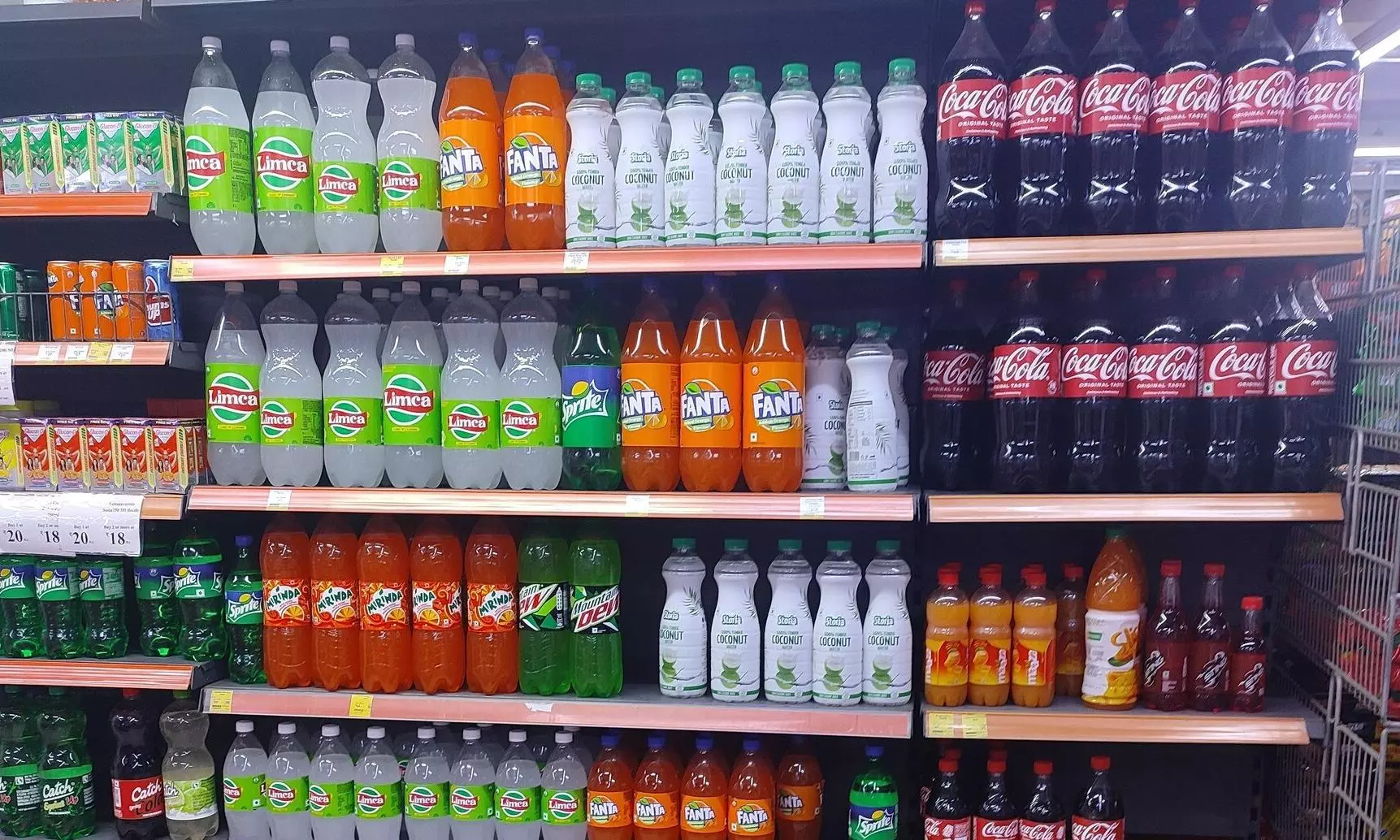
The Fanta in a London refrigerator and the one on an Indian supermarket shelf may carry the same name but not the same nutritional profile. A can sold in India packs roughly three times the sugar of its London counterpart. And Maggi noodles sold in Britain use sunflower oil and carry red warning labels, while Indian versions use palm oil with no visible red labels.
The regulatory framework allows these discrepancies. India requires only ingredient lists in small print on the back of packaging, with no front-of-pack warnings. During a March 2026 meeting with India's food regulator, industry executives successfully argued against such warnings.
After Reuters reported the industry lobbying, and public anger erupted online, India's food regulator proposed front-of-pack labels in August.
The Food Safety and Standards Authority of India did not respond to an emailed request for comment.
The government is also facing fierce opposition on the proposed food-warning labels from both health experts and food companies.
The issue is not just what companies put into food, but also what consumers are told about it.
"Companies should not only abide by legal compliances but also practice ethical behaviour. Why the different standard?" asked Tukaram Mundhe, the food-safety commissioner of Maharashtra state, who has conducted more than 3,000 raids on food establishments since May.
Yet, even his aggressive crackdown faces court challenges. Judges have fined his department for excessive enforcement, raising a broader question about how consistently the system can police an increasingly complex food economy.
That complexity was starkly illustrated by a recent Mumbai warehouse raid, which found expiry dates and nutritional information that inspectors said had been falsified on products from some multinationals destined for export. One packet carried a fake English-French nutrition label — a format similar to that prescribed in Canada.
Canada's food inspection agency began monitoring whether the operation posed a risk to its imports, marking the first foreign agency response to the incident.
CAN REGULATION CATCH UP?
The numbers reveal the scale of the challenge facing India's food-safety regulator.
Nearly 80% of India's packaged-food market is high in fat, sugar or salt. Each year since 2020, inspectors have checked more than 100,000 food samples and found roughly 20% unsafe, substandard or inadequately labelled.
But India's food economy is changing faster and becoming harder to police.
Quick commerce, a $13 billion sector processing about 9 million orders a day, came under a major food-safety crackdown only in August 2026 after inspectors found cockroaches, rodents, rotten vegetables and other hygiene violations at warehouses. The energy drinks industry, growing 12.6% annually, faced new labelling requirements only in July.
Nepali billionaire Binod Chaudhary's company, popular for its Wai Wai noodle brand, was ordered to discontinue some products after inspectors found it was using "floor-collected, broken noodles" in making its Indian snacks.
The question, then, extends far beyond the packet on an Indian supermarket shelf: can India's food-safety system keep pace with the food industry it is supposed to regulate?