India-UK Free Trade Pact Takes Effect; To Enhance Competitiveness of Goods in British Market

Zero-duty access for 99% of exports to enhance India's competitiveness in the UK
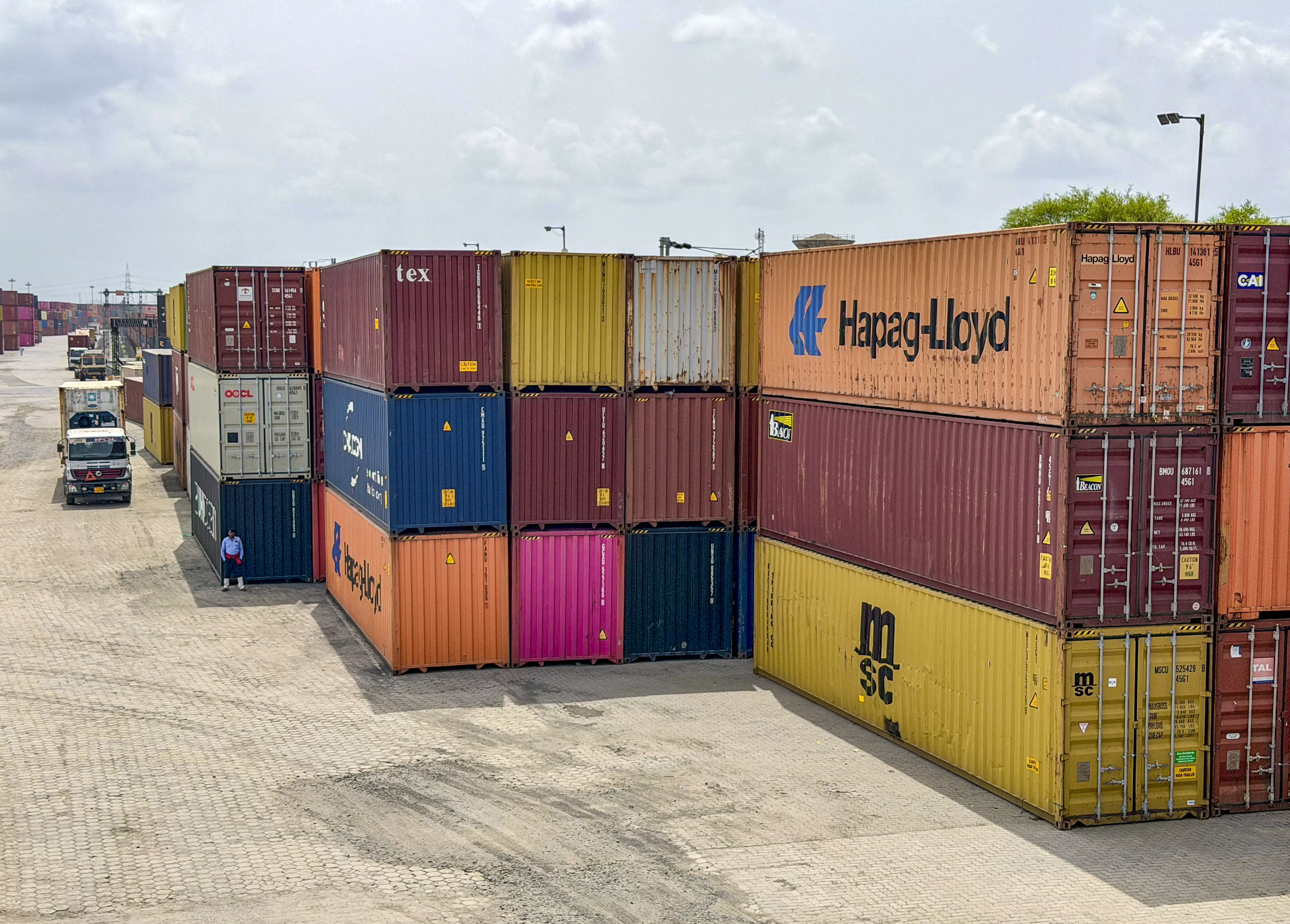
New Delhi: A day after the operationalisation of the India-UK free trade pact, experts on Thursday said that it is expected to reduce trade costs, enhance the competitiveness of domestic goods in the British market and boost exports for India.
As per the latest government data, India’s exports to the UK stood at $13.44 billion in the last fiscal. All labour-intensive sectors such as garments, textiles, footwear, carpets, processed food, cereals, vegetables, fruits and spices, fish, meat and processed products are now entering the UK market with 'zero' duty. Earlier, the duty on these goods ranged from 2 to 16 per cent.
According to experts, the India-UK comprehensive economic and trade agreement (CETA) will help achieve the $100 billion bilateral trade target by 2030. “The agreement is expected to reduce trade costs, enhance the global competitiveness of Indian exports, and accelerate the momentum of bilateral trade, with the shared aspiration of doubling India-UK trade by 2030,” said Anil Talreja, partner and leader trade corridor, Deloitte South Asia.
“The deal transcends the traditional boundaries of tariff liberalisation and establishes a modern, future-ready framework for cooperation across trade in goods and services, intellectual property, digital trade, financial services, telecommunications, and government procurement. Indian enterprises must now move with purpose and urgency to translate these commitments into tangible outcomes by facilitating greater investment flows, strengthening resilient supply chains, addressing regulatory impediments, and enabling businesses to meet global standards with confidence,” Talreja said.
Ranjan Dhar, co-chair, FICCI Steel Committee and director and vice President (sales and marketing), AM/NS India, said the pact has opened opportunities for the Indian steel sector as engineering goods and auto components are gaining duty-free access in the UK. “The Indian steel industry must now match the government's ambition -- by investing decisively in green steel, building CBAM-readiness ahead of 2027, and positioning India as the world's most competitive and sustainable steel supplier to the UK and beyond,” Dhar said.
International trade expert and Hi-Tech Gears chairman Deep Kapuria also said that this trade deal with the UK ticks all-important boxes from the Indian industry's interest. “The UK is India's long-standing export market for all labour-intensive exports, an important destination of services export and one of leading sources of Foreign Direct Investment,” he said, adding the UK is a major economic hub, which Indian companies can leverage to access wider European and other markets as UK is also a party to 39 Regional Trade Agreements (RTAs), which span nearly 100 countries across the world.
Sharing similar views, Mohit Singla, chairman, Trade Promotion Council of India (TPCI), said with nearly 99 per cent of Indian exports gaining zero-duty access, the India-UK CETA has the potential to significantly boost India's competitiveness across key sectors including food processing, textiles, leather, engineering goods, gems and jewellery, and marine products. “For MSMEs in particular, this agreement presents an opportunity to integrate into global value chains, expand their international footprint, and build sustainable export capabilities,” he said.
