India, Pakistan in Sharp Escalation After Terror Attack

9 May 2025 4:16 PM IST9 May 2025 4:16 PM IST
India's Operation Sindoor, a swift and targeted response, focused on known terrorist infrastructure.
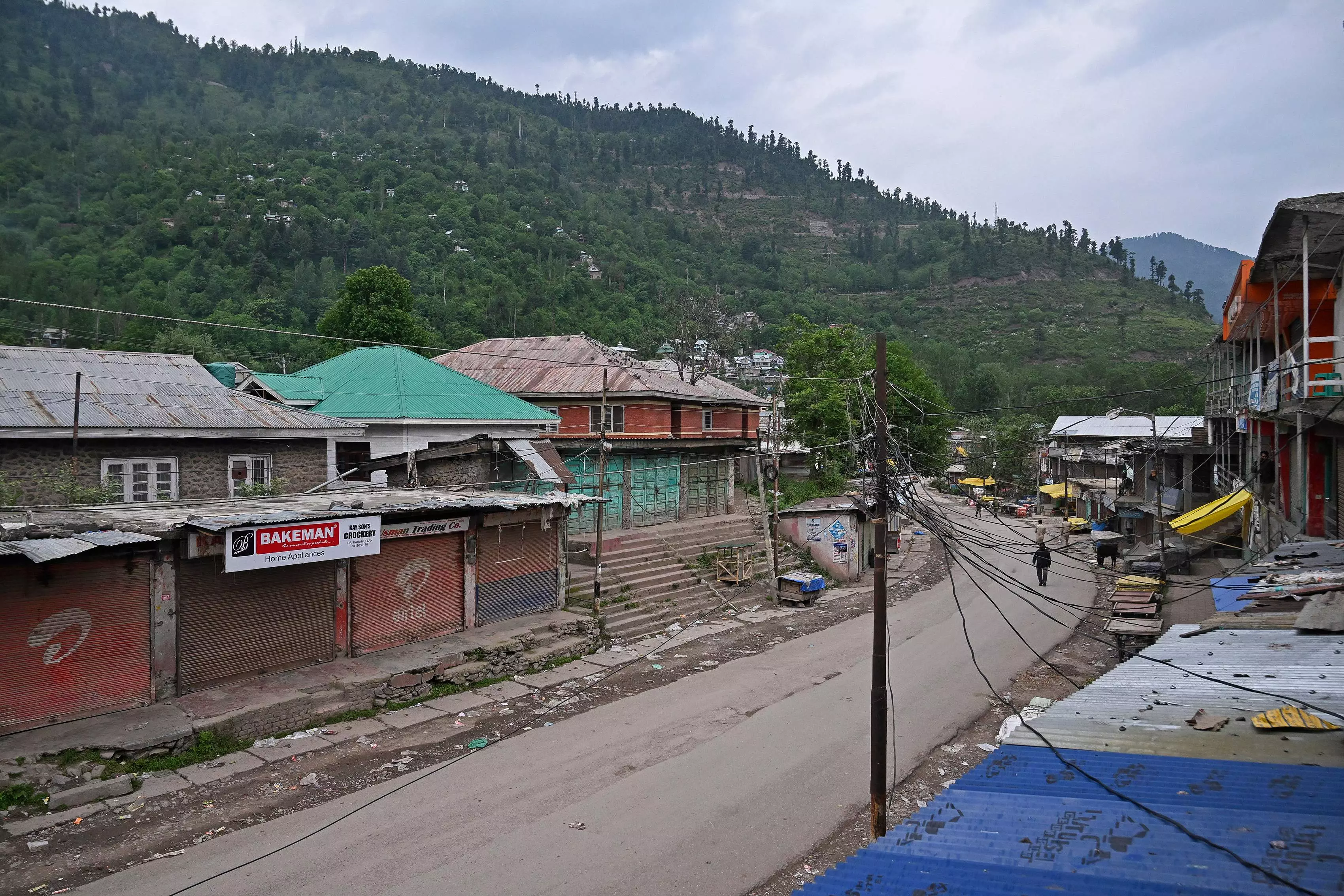
A man walks through a deserted street near the Line of Control (LOC) in Uri, about 100kms from Srinagar, on May 9, 2025. India said on May 9 it had repulsed a wave of Pakistani drone and artillery attacks overnight, and Islamabad insisted it had not struck targets across the border, as the latest conflict between the nuclear-armed neighbours showed no signs of relenting. — AFP
Over the past 24 hours, tensions between India and Pakistan have escalated significantly, marked by military engagements, diplomatic confrontations, and heightened security measures. The 22 April terrorist attack in Pahalgam, Jammu & Kashmir, which killed 26 civilians, triggered this crisis.
India's Operation Sindoor, a swift and targeted response, focused on known terrorist infrastructure. Pakistan's strong condemnation and vow of retaliation highlight deep-seated animosity and the potential for rapid escalation. Pakistan's retaliatory drone and missile attacks on Indian cities, though intercepted unsuccessfully by India's S-400 system in Amritsar, mark a dangerous escalation. Intensified skirmishes along the LoC, with both sides claiming to have neutralized numerous drones, indicate a broadening of military engagement.
India's Operation Abhyaas Civil Defence Drill across multiple districts prepares civilians for potential wider conflict, reflecting the human cost of escalation. Limited backchannel diplomatic communication, including confirmed NSC-level contact, suggests fragile lines of communication remain open despite no official de-escalation statement.
The situation remains highly volatile. The next few hours and days will be critical in determining whether diplomacy can contain the crisis or if it will spiral into a catastrophic full-scale war.
Written by Sanjana Singh, Intern.
( Source : Deccan Chronicle )

Next Story