India on the Cusp of a New Phase in Global Trade: Piyush Goyal

As geopolitical disruptions weigh on global supply chains, it has been observed that over the past one to two months, the country has seen a rise in trade deficit and stress in merchandise exports
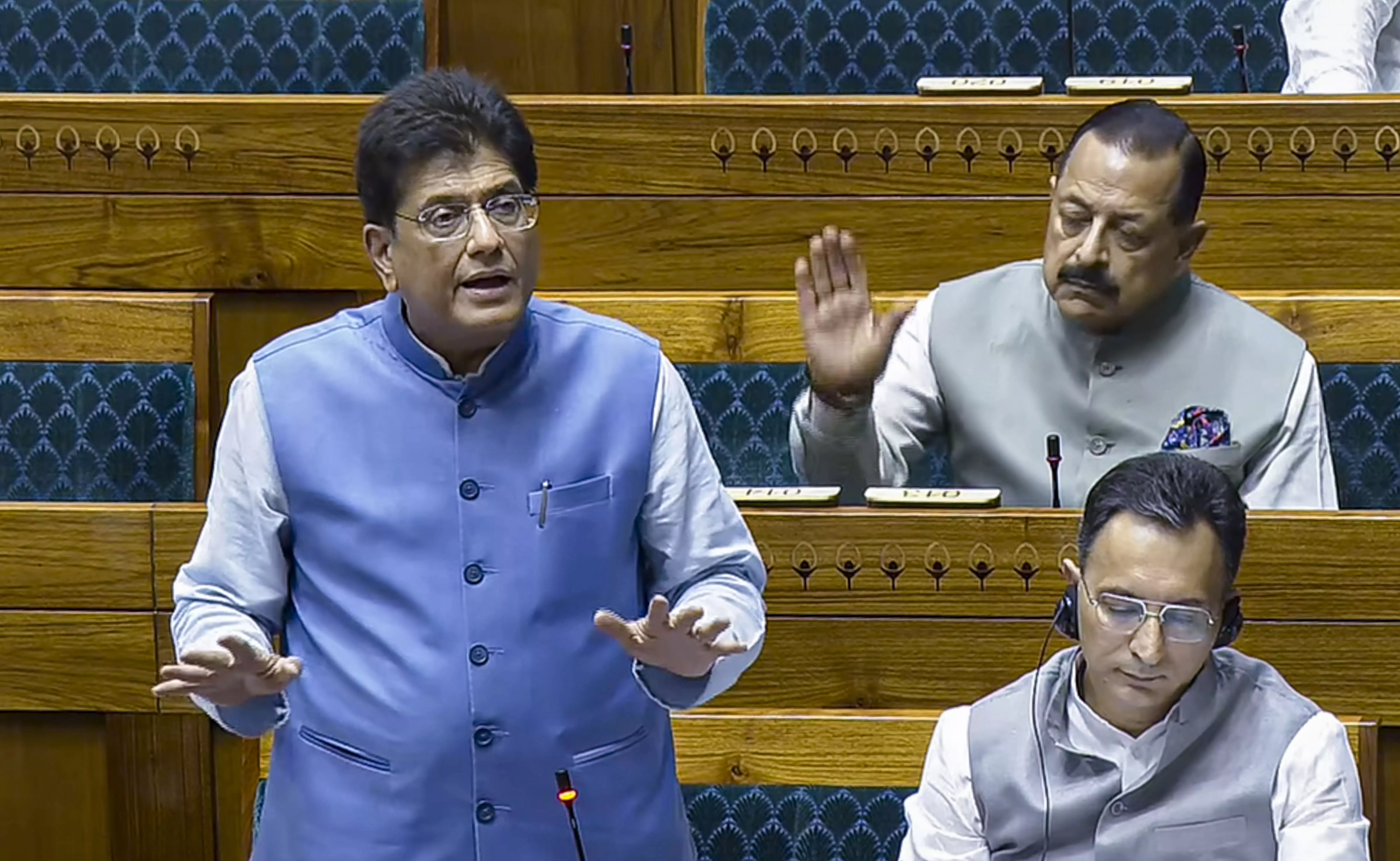
New Delhi: Amid the widening West Asia war, commerce and industry minister Piyush Goyal on Tuesday said that India is on the cusp of a new phase in global trade that could strengthen its position worldwide. The comments of the minister come at a time when merchandise domestic exporters are reportedly facing the cost pressure as well as insurance challenges due to the geopolitical situations.
The minister, however, acknowledged that the recent global developments have put pressure on India’s trade numbers, saying that the trade pressures are visible, but it’s manageable. “I believe a new phase, a new era of international trade for India is beginning a new chapter that will strengthen India’s position in the world, framing India’s trade trajectory as resilient despite near-term pressures,” he said in a reply to the Lok Sabha.
As geopolitical disruptions weigh on global supply chains, it has been observed that over the past one to two months, the country has seen a rise in trade deficit and stress in merchandise exports, driven in part by disruptions such as shipping constraints through the Strait of Hormuz, higher freight costs and insurance challenges as well.
While tensions in the Middle East have not yet caused any systemic disruption to trade financing, industry experts are expecting more cautious approach from exporters and importers, particularly in Gulf-linked trade corridors. “Despite the government measures, there is still a concern for small business houses, especially the trade financing of micro, small and medium enterprises (MSMEs) amid the ongoing middle-east tensions,” they said.
“Some export-oriented MSMEs are facing shipment delays and higher logistics and insurance costs, which is prompting greater reliance on invoice discounting and receivables financing to manage working capital. If geopolitical uncertainties persist, demand for structured working capital solutions is likely to increase as businesses seek to secure liquidity and mitigate payment cycle risks,” said Ketan Gaikwad, MD & CEO, RXIL.
Even India’s stainless steel industry has raised concerns over rising global energy costs amid the West Asia crisis, saying the situation is impacting the overall operating expenses of their units. “Supplies of critical industrial gases such as propane/LPG and LNG have been impacted due to ongoing military tensions involving the US, Israel and Iran in the Gulf of Persia,” said Rajamani Krishnamurti, president of Indian Stainless Steel Development Association (ISSDA).
However, Goyal denied it, saying that the impact has been contained. “The expanding trade architecture would benefit a wide spectrum of stakeholders — fishermen, farmers, MSMEs, new exporters and emerging sectors. The opening of new markets is expected to drive demand for both traditional goods and new-age services,” he said.
Goyal also projected that the country’s services surplus would reach between $17 billion and $18 billion, hence providing a buffer against global volatility. “We have to keep in mind, our country is not just a merchandise exporter,” the minister said, adding that India has achieved greater growth in the past three years in both merchandise and services.
