India Looks To Boost LNG Tank Capacity As Qatar Supplies Stall

4 May 2026 8:15 PM IST4 May 2026 8:15 PM IST
India imports about half of its natural gas requirement, which is used to generate electricity, make fertiliser, convert into CNG to run automobiles, piped to household kitchens for cooking and used as feedstock in a variety of industries.
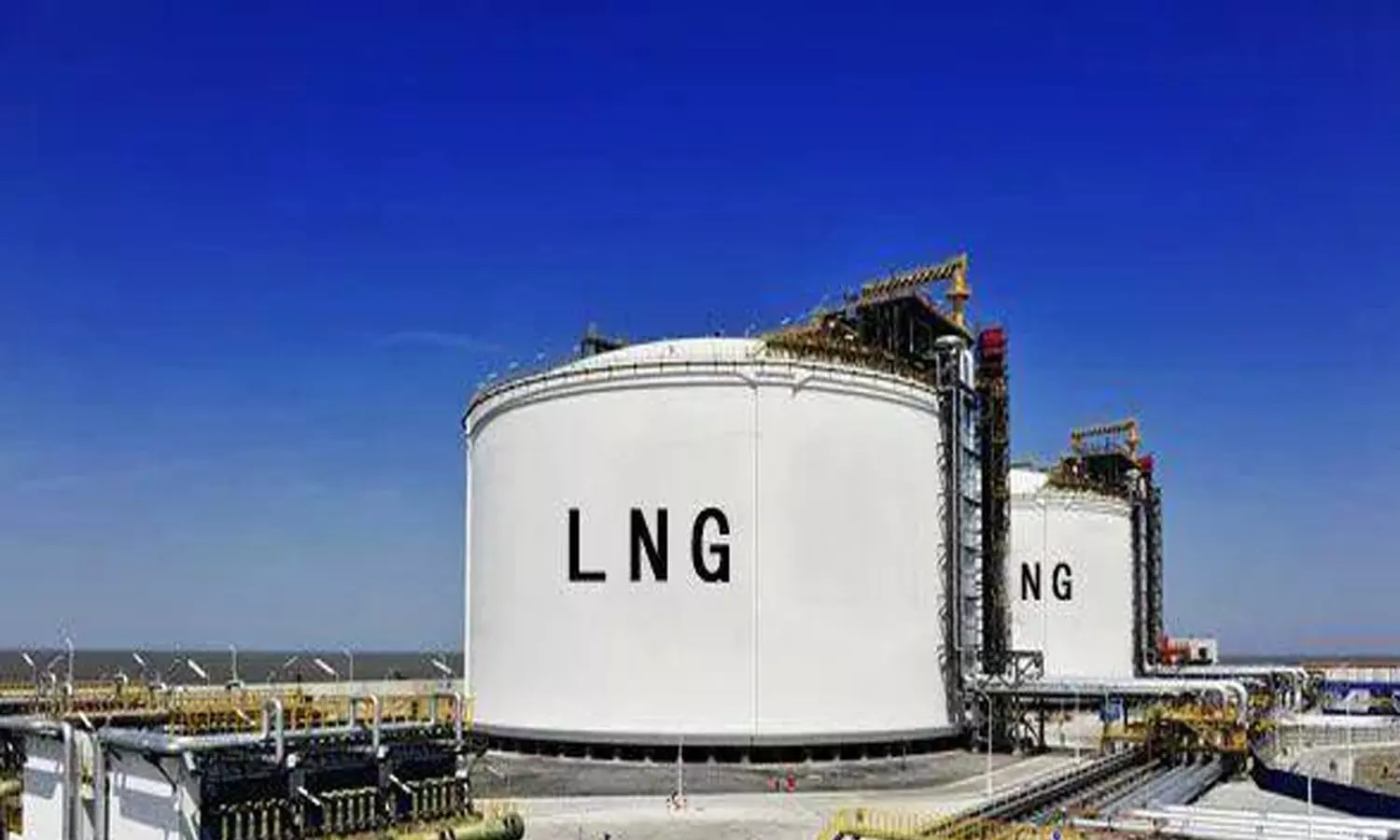
File Image of LNG Tank | Image Source: X
New Delhi: India is looking to expand LNG storage capacity as supply disruptions due to the conflict in West Asia and rising geopolitical risks highlight the need for greater energy security, the chief executive of the country's largest gas importer, Petronet LNG, said on Monday.
India imports about half of its natural gas requirement, which is used to generate electricity, make fertiliser, convert into CNG to run automobiles, piped to household kitchens for cooking, and used as feedstock in a variety of industries. This gas is imported in its liquid form, called LNG, in ships from countries like Qatar and the US.
Since the start of the West Asia conflict, supplies from Qatar and the UAE, which accounted for about 40 per cent of all imports, have been affected, sending New Delhi scrambling for alternative sources.
Petronet LNG Ltd, India's largest liquefied natural gas (LNG) importer, plans to expand storage capacity by building new LNG storage tanks across multiple terminals, CEO A K Singh said at a media call announcing fourth quarter and FY26 earnings. The company, he said, will construct two tanks at Gopalpur in Odisha, add one at Kochi in Kerala and pursue additional storage at Dahej in Gujarat, with projects expected to take about three years.
In all, seven tanks are on the drawing board, which are in addition to optimal strategic LNG reserves being evaluated at a national level to manage future crises. Additional tankages mean more gas can be stored, which can be used to maintain normal supplies in the event of import disruptions.
Singh said Petronet has 10 out of the country's 23 LNG tanks which in 2025-26 handled 26.5 million tonnes of imported fuel. It has eight tanks at 22.5 million tonnes a year, Dahej import facility, and two at 5 million tonnes a year, Kochi terminal.
"We have a very good buffer but supply and drawal should synchronise. We have sufficient tanks for operational reasons but not for emergencies like war," he said. Petronet has two long-term LNG import contracts - a 7.5 million tonnes a year deal with Qatar and a 1.42 million tonnes a year contract with ExxonMobil.
LNG shipments from the Ras Laffan facility in Qatar have been halted since March 2 after QatarEnergy declared force majeure amid the West Asia conflict, he said, adding no cargoes arrived in March or April, with May also expected to be affected, and June supply is uncertain. The supply disruptions led to cuts being imposed on several industrial users in order to protect supplies to priority sectors like household kitchens and CNG for transport.
Petronet's one vessel, Disha, was loaded with LNG but got stranded after movement through the Strait of Hormuz was effectively halted following the West Asia conflict, he said, adding Qatar has told Petronet it will resume supplies once the regional situation normalises. Asked if Qatar has specified any timeframe for resumption of supplies, he said resumption depends on normalisation of the situation and that operations will restart once conditions improve.
The conflict led to a surge in spot or current market LNG prices to about USD 24-25 per million British thermal unit during the disruption before easing to around USD 16, he said, adding that demand in India remains highly price-sensitive and requires competitive pricing to sustain growth.
Asked if Petronet has changed its long-term procurement strategy after the West Asian conflict, Singh said the company "is not advocating more long-term contracts today and will watch prices. Current plans rely on available capacity and expected future spot buying when prices soften, noting India's demand is price-sensitive.
Singh said Petronet historically received 9-10 cargos per month from Qatar and that none arrived in March and April with May expected to be similarly affected. He hastened to add that the facilities in Qatar that supply to India are undamaged in the war and full supplies are expected to resume once production restarts.
Before the start of the conflict, imports were on the rise and prices were stable. "We handled almost 27 cargo or 28 cargo in January. So definitely, January and February were fantastic. It was happening; had this crisis not happened in March, we would have broken all the records," he said.
( Source : PTI )

Next Story